

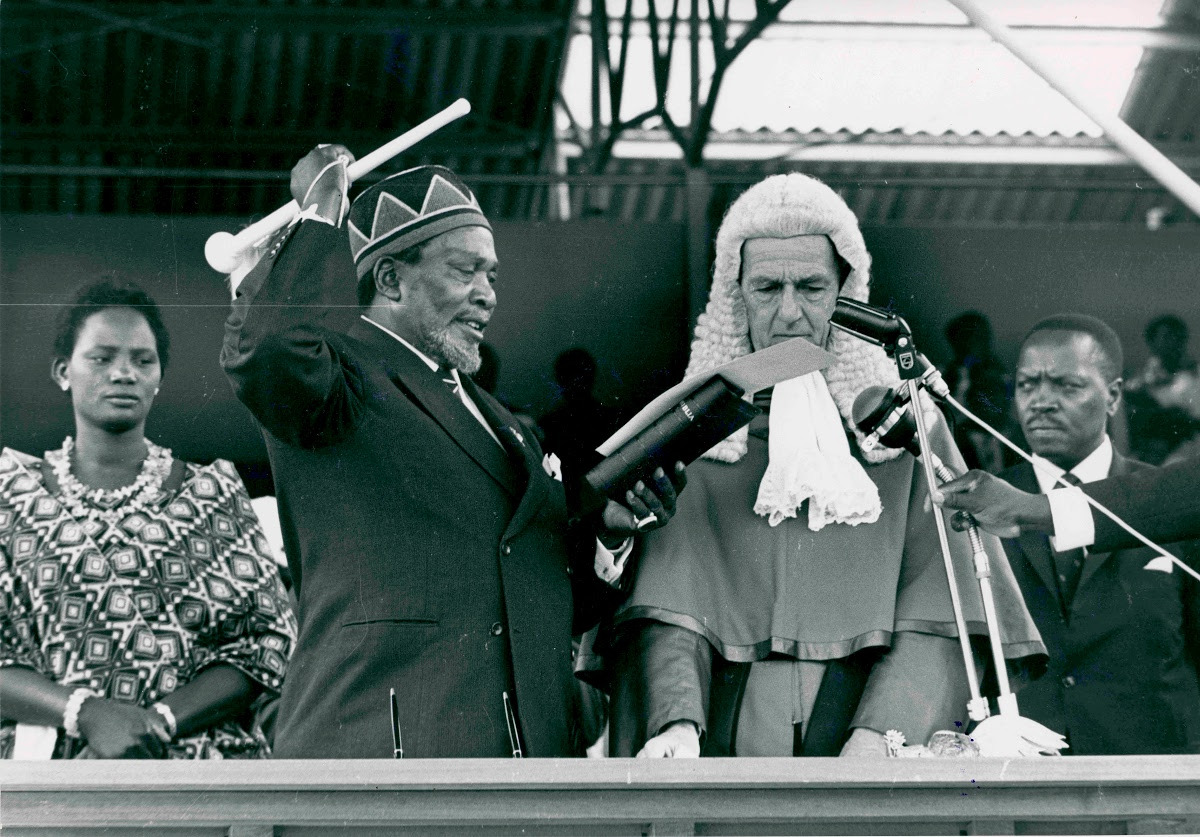
What kind of man walks out of prison and straight into the presidency of a nation that barely exists on paper?
That was Kenya in 1963, and that man was Jomo Kenyatta.
From Rural Kiambu to the Center of Power
Jomo Kenyatta was born around 1897 in Gatundu, Kiambu, at a time when Kenya did not yet exist as a nation. British colonial rule was reshaping land ownership, culture, and identity, often at the expense of African communities. Kenyatta grew up watching fertile land taken from local farmers and handed to settlers, a reality that would shape his political purpose.
Education gave him an early advantage. He studied in mission schools before traveling abroad, eventually reaching London, where he immersed himself in politics, anthropology, and Pan-African thought. Kenyatta was not only learning how Europe worked; he was learning how to challenge it using its own language and systems.
The Voice Kenya Sent to the World
In the 1930s and 1940s, Kenyatta became the most recognizable Kenyan voice on the international stage. He spoke at conferences, wrote political essays, and published Facing Mount Kenya, a book that defended African culture at a time when colonial powers dismissed it as primitive.
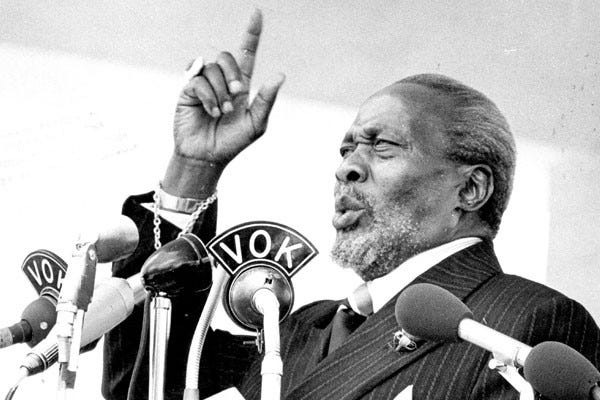
His message was clear and consistent: Africans were capable of self-rule, their traditions had value, and colonialism was neither benevolent nor permanent. Long before independence became realistic, Kenyatta was already arguing Kenya’s case in global political circles.
Mau Mau, Detention, and a Misunderstood Role
The 1950s marked the most dangerous phase of Kenya’s struggle. The Mau Mau uprising shook colonial authority, and the British needed a face to blame. Kenyatta was arrested in 1952 and accused of leading the movement, despite weak evidence.
He spent nearly a decade in detention and internal exile. Ironically, imprisonment elevated his status. To many Kenyans, he became a symbol of resistance, sacrifice, and unity. By the time the British realized Kenya could not be governed without him, Kenyatta had already become indispensable.
Independence and the Burden of Unity
Kenyatta was released in 1961, and independence followed two years later. On December 12, 1963, Kenya became a self-governing nation, with Kenyatta as Prime Minister, later President.
His leadership style focused on stability. After years of conflict, Kenyatta pushed reconciliation between former enemies, including settlers and African communities. His philosophy of “forgive and forget” helped prevent immediate civil war, though it also left some historical wounds unresolved.
Power, Progress, and Controversy
Under Kenyatta, Kenya built its first national institutions, expanded education, and invested heavily in infrastructure. Nairobi grew into a regional hub, and Kenya positioned itself as a key African state during the Cold War.
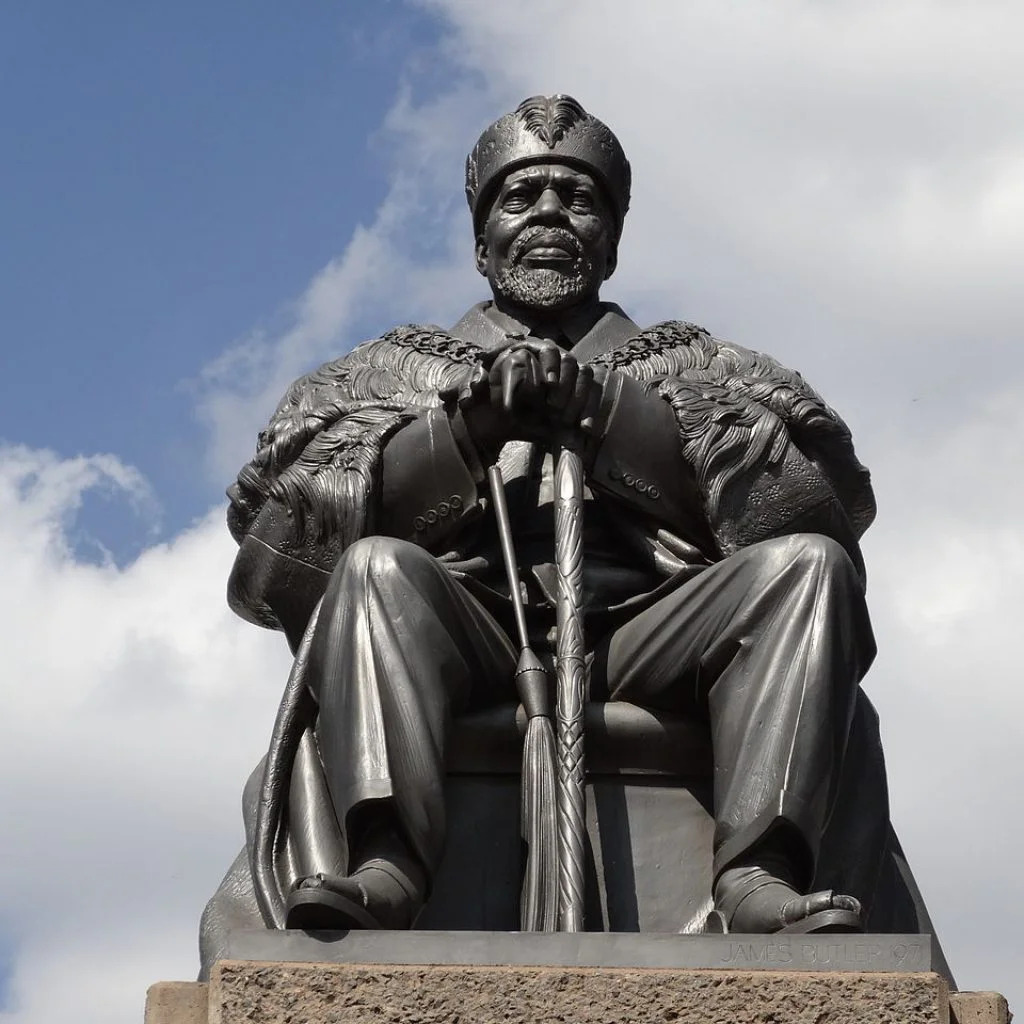
At the same time, his presidency concentrated power at the center. Land redistribution favored political allies, corruption became entrenched, and dissent was often silenced. Kenyatta’s government delivered stability, but at the cost of political openness.
The Man Becomes the State
By the 1970s, Kenyatta was no longer just a leader; he was a national symbol. His image appeared in offices, schools, and currency. Loyalty to the state increasingly meant loyalty to him. This personalization of power strengthened national identity while limiting democratic growth.
Jomo Kenyatta’s Enduring Legacy
When Kenyatta died in 1978, Kenya was peaceful, intact, and internationally respected. Few African nations at the time could claim the same. Yet debates over land, inequality, and governance traced their roots back to decisions made during his rule.
Jomo Kenyatta was not a flawless hero or a simple villain. He was a nation-builder operating in a brutal colonial aftermath, balancing unity, power, and survival. Kenya today still lives with the consequences of the foundations he laid.
