

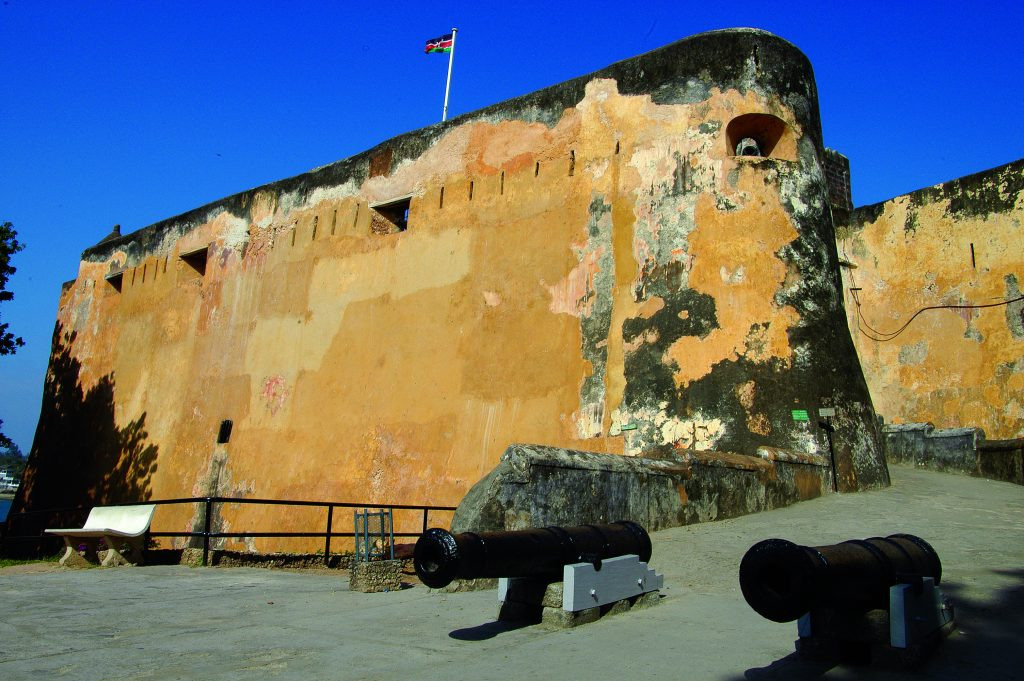
On the edge of Mombasa Island, facing the deep blue of the Indian Ocean, stands Fort Jesus — a masterpiece of coral-stone architecture and a symbol of the city’s layered history. From the air, the fort resembles a sleeping person, with the head, arms, and legs clearly outlined by its bastions and walls. This was not an accident. When the Portuguese built it in 1593, they intended both beauty and purpose. Its “sleeping man” design allowed defenders to see and fire in all directions, leaving no blind spot for enemies to approach unseen.
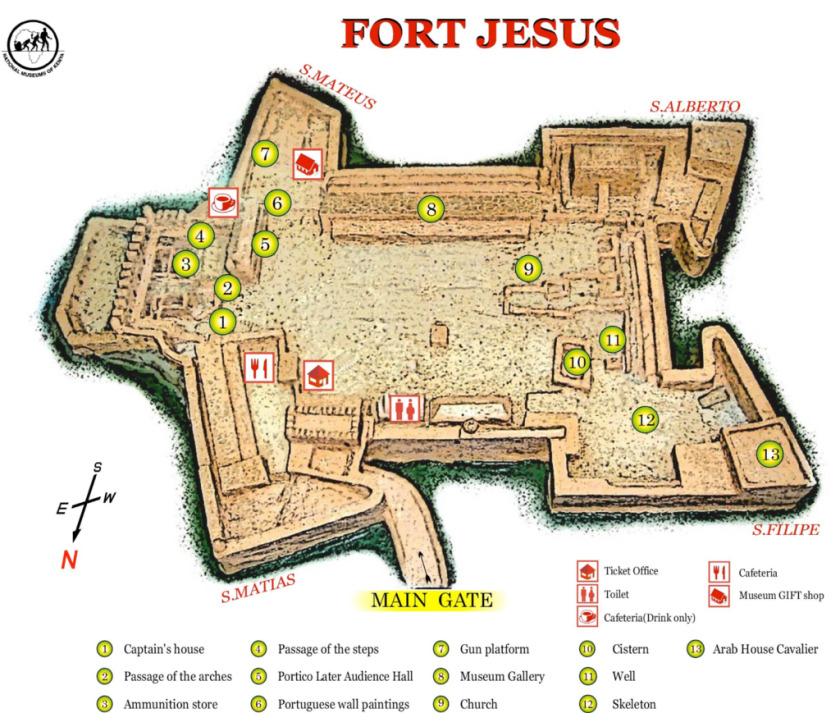
Designed by Giovanni Battista Cairati, an Italian architect working under King Philip II of Spain, the fort was meant to secure Portuguese trade along the Swahili coast. Using coral stone from the surrounding reefs, they created thick, low walls that could absorb cannon fire and resist the salty winds from the ocean. For the Portuguese, it was a fortress of faith and strategy — they named it Fortaleza de Jesus de Mombaça, or “Fort of Jesus of Mombasa.”
But as history unfolded, Fort Jesus became much more than a Portuguese outpost. It changed hands many times, serving the Portuguese, the Omani Arabs, and later the British. Each left behind traces of their rule — in the architecture, the chambers, and even the weapons that once echoed through its corridors.
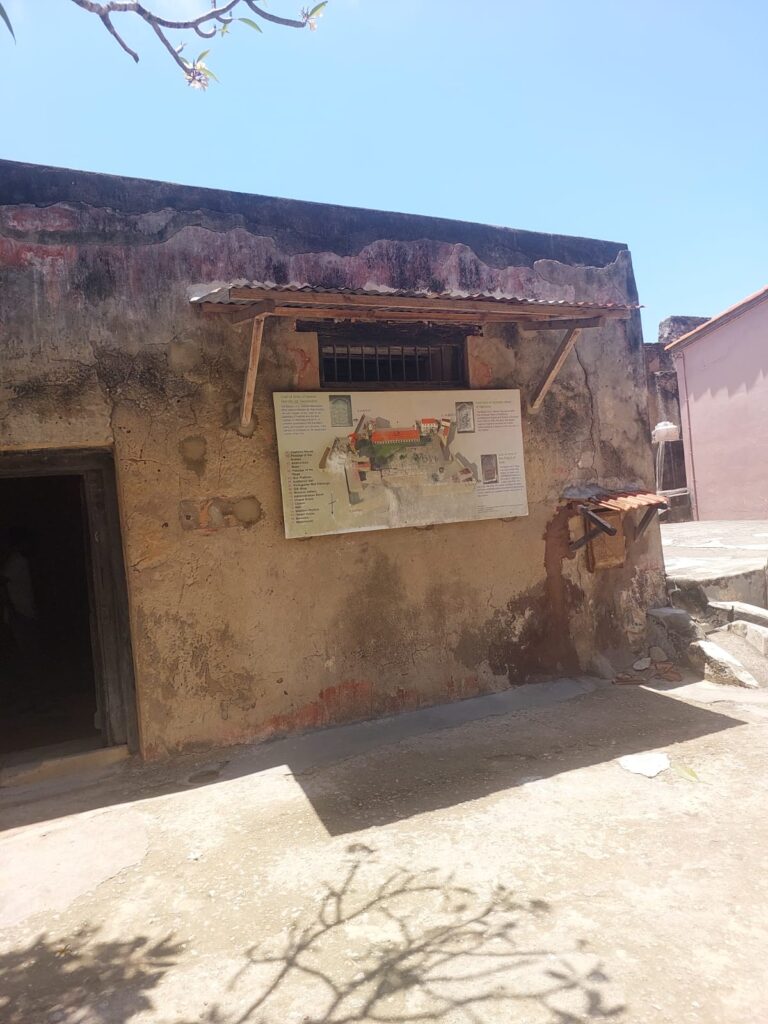
When the Omanis captured the fort in 1698 after a long siege, they turned it into both a military stronghold and a seat of governance. Inside the thick walls, they built Omani chambers where soldiers and administrators lived. These rooms, some carved into coral rock, held supplies, prayer spaces, and secret storage areas.
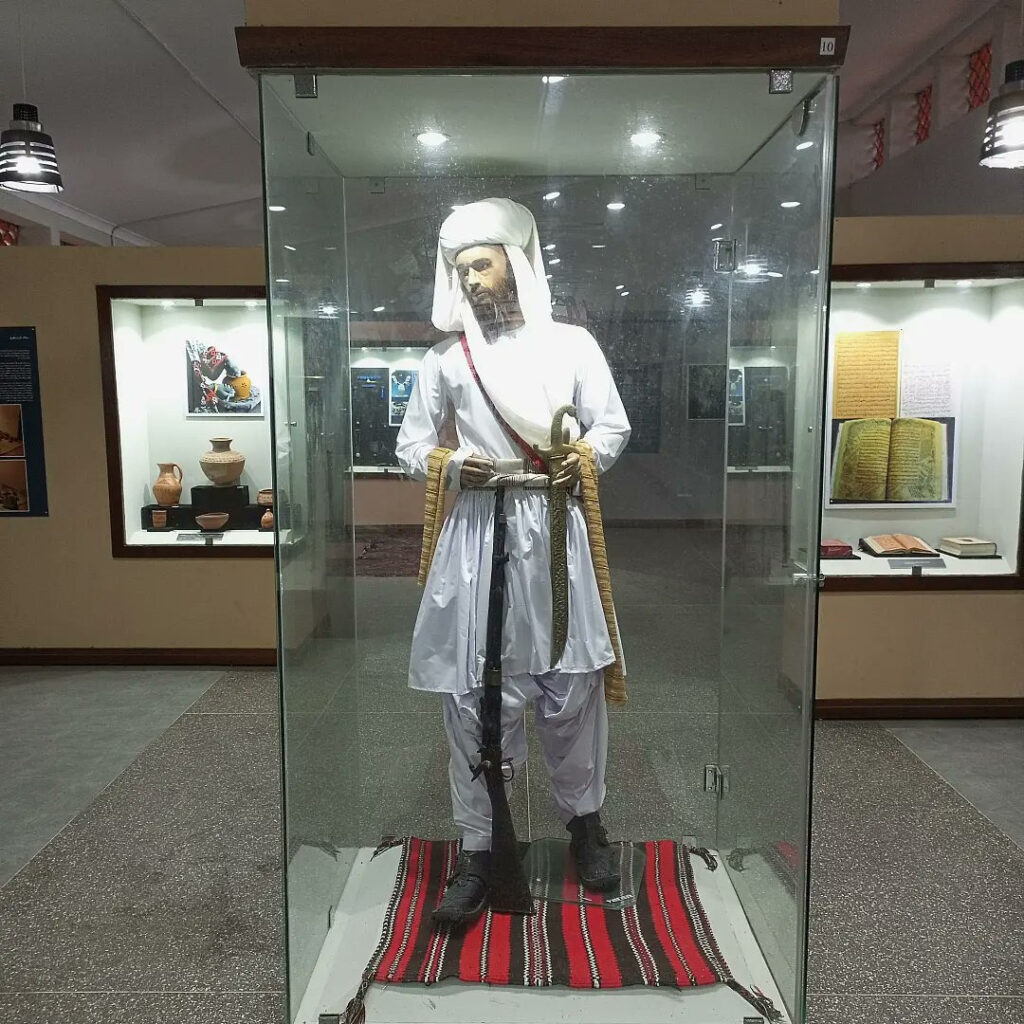
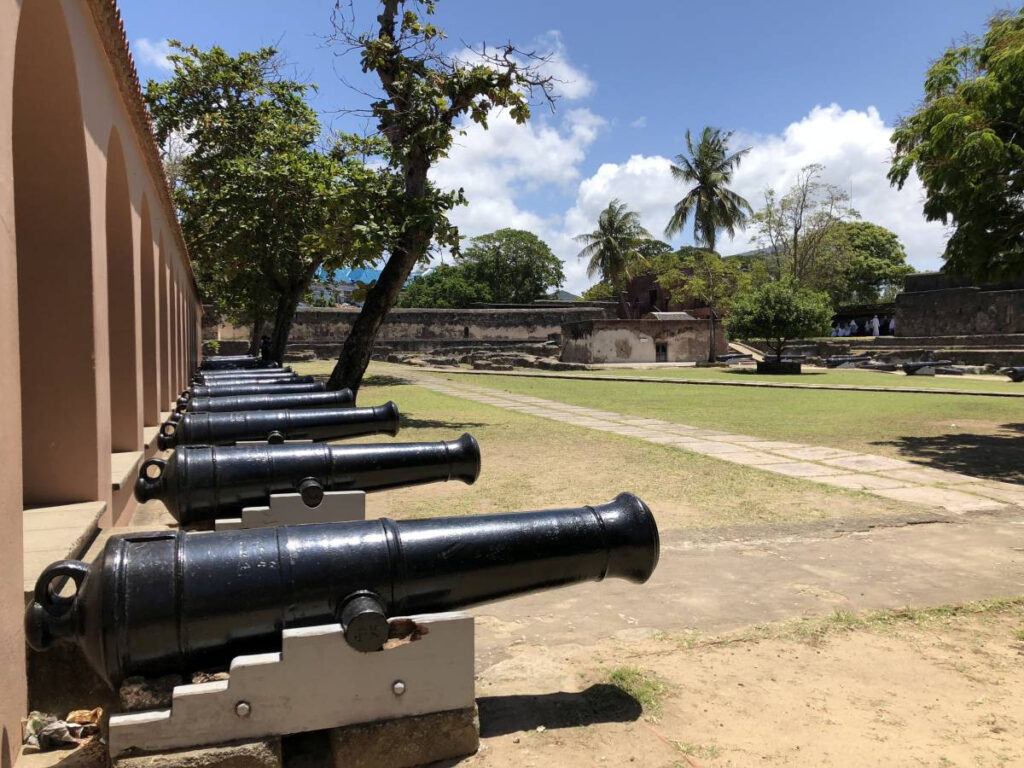
The Omanis defended the fort with heavy muzzle-loading cannons that lined the bastions, smaller swivel guns mounted on parapets, and flintlock muskets for close-range fighting. They were disciplined seafarers, and their dhows — armed with light guns — patrolled the waters around Mombasa to protect trade and warn of approaching enemies.
To maintain control of the busy harbour, the Omanis developed early systems of surveillance. Lookouts kept watch from the bastions, scanning the horizon for unfamiliar sails. The moment a strange ship appeared, signals were sent by lanterns or smoke to alert the city and summon reinforcements.
At night, sentries patrolled the walls, checking every gate and corner for signs of intrusion. The fort’s design gave them an advantage: every approach could be seen from at least one firing point.
Smuggling, however, remained a constant part of life along the Swahili coast. Mombasa’s port bustled with trade — spices, ivory, and textiles — and within that activity, guns and ammunition were quietly moved through hidden means.
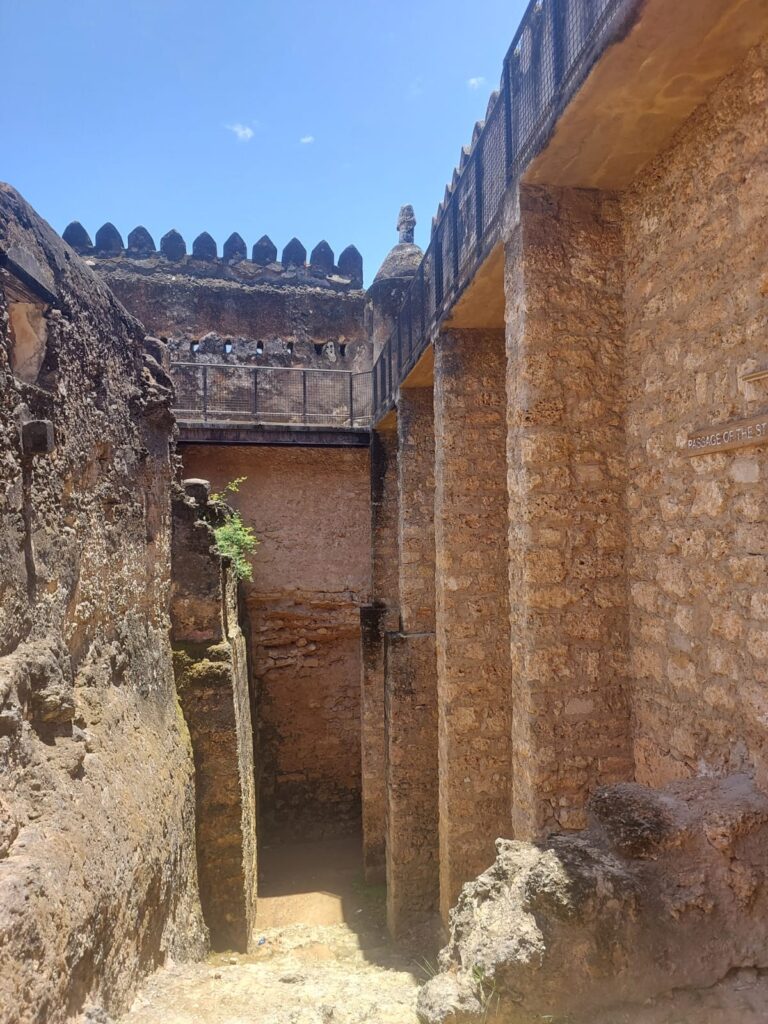
Some traders concealed weapons inside barrels of oil or crates of grain. Others bribed port officials to overlook suspicious cargo. Small dhows would slip into the harbour after dark, unloading boxes of muskets and powder into secret storerooms beneath the city. These networks blurred the line between commerce and rebellion, as weapons often found their way into local uprisings or private defences against foreign control.
When the British took control of Mombasa in the late 19th century, they found a fortress that had outlived its military purpose. They converted Fort Jesus into a prison, its chambers turned into cells and its courtyards into exercise yards.
The thick coral walls that once kept invaders out now confined prisoners within. The echoes of cannon fire gave way to the sounds of guards and locked doors. For nearly sixty years, Fort Jesus served as one of the most feared prisons on the coast.
After Kenya gained independence, the fort was finally freed from its colonial past. In 1958 it was declared a national monument, and by 1962 it became a museum under the care of the National Museums of Kenya. Today, its galleries display centuries-old weapons, pottery, coins, and shipwreck treasures — silent witnesses of the world that once revolved around Mombasa’s harbour.
Walking through Fort Jesus now is like stepping into a living textbook. You can trace the marks left by cannonballs on the walls, stand in the Omani chambers where soldiers once prayed, or imagine the watchmen scanning the horizon for sails. Beneath your feet are the tunnels once used for escape or secret trade. Above you, the same bastions still look out to sea, as they have for over four hundred years.
Fort Jesus is more than a relic of conquest. It tells the story of Mombasa’s resilience — a city that has endured colonization, siege, and transformation, yet remains proud and alive. Its “sleeping man” shape may suggest rest, but the truth is the fort has never truly slept. It has watched over the coast for centuries, guarding not just the port, but the spirit of a people who refused to be forgotten.
