

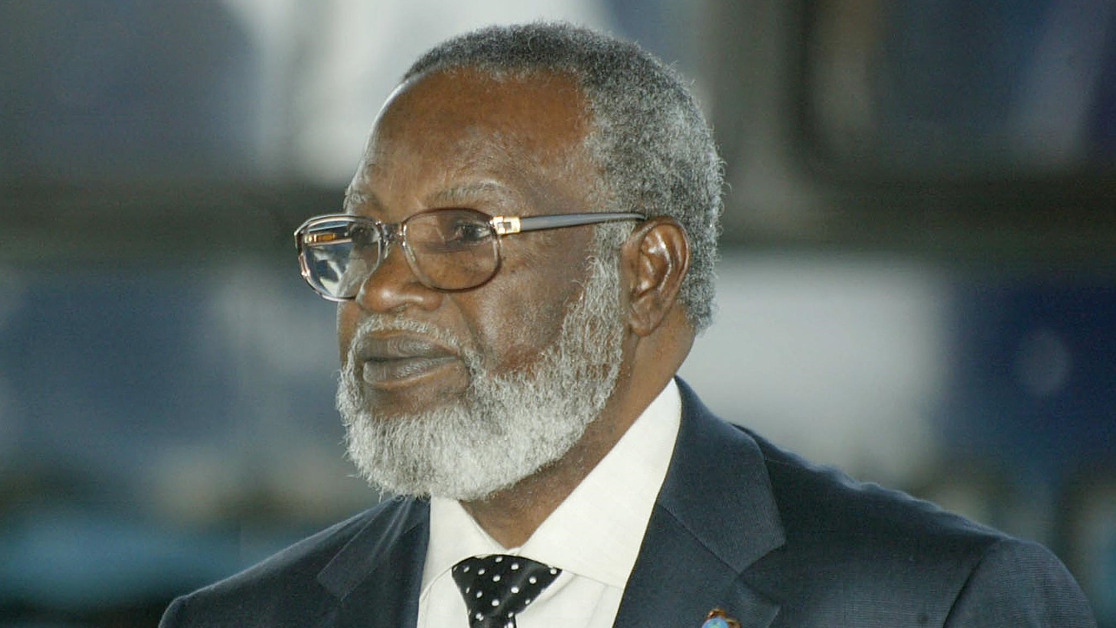
What does it take to turn exile into a nation, and a guerrilla struggle into a flag that waves over a free country?
In the dry winds of northern Namibia, a young boy once herded cattle under colonial rule, unaware that his life would later be tied to the birth of an entire nation. That boy was Sam Nujoma, later known as Namibia’s Founding Father and the first President of independent Namibia.
Sam Nujoma – The Long Road from Village Life to Liberation Leadership
Before leadership titles and global recognition, Sam Nujoma grew up in humble rural conditions under South African apartheid administration. Life was defined by restricted movement, limited education, and political exclusion for Black Namibians.
His early exposure to injustice shaped a mindset that refused to accept silence as survival. By the late 1950s, he entered political activism through the Ovamboland People’s Organization, which later evolved into SWAPO (South West Africa People’s Organization).
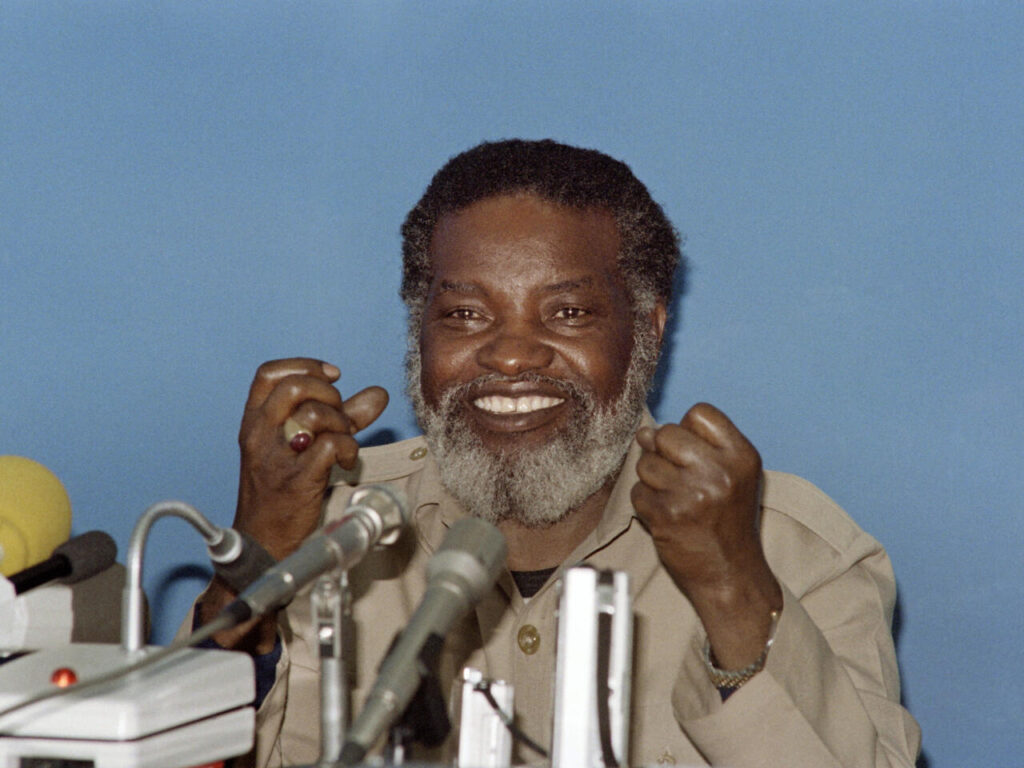
Exile, Resistance, and the Birth of a Liberation Movement
When peaceful resistance met repression, Nujoma left Namibia in 1960 to mobilize international support. That decision marked the beginning of decades in exile, where diplomacy and armed struggle moved side by side.
Under his leadership, SWAPO became the central force in Namibia’s independence struggle. Camps in Angola and Zambia became training grounds, classrooms, and political headquarters for a movement that refused to fade.
The liberation war was long and costly, but it kept Namibia’s independence dream alive on global platforms such as the United Nations.
Independence Day and the Turning Point of 1990
On March 21, 1990, Namibia finally gained independence after years of negotiations and armed resistance. Nujoma returned home not as an exile, but as the country’s first democratically elected president.
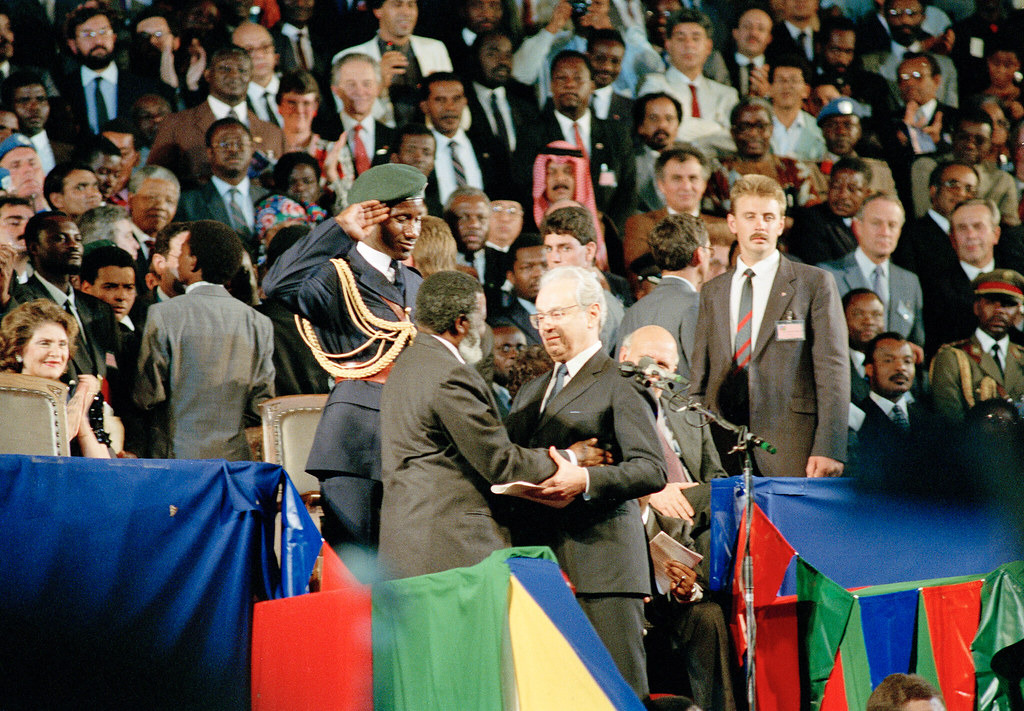
He oversaw the transition from colonial rule to a constitutional democracy, focusing on national unity in a country deeply divided by race, history, and inequality.
Leadership, Nation Building, and Legacy
As president, Nujoma emphasized reconciliation rather than revenge. His administration invested in education, infrastructure, and healthcare while maintaining political stability during a fragile post-independence era.
His legacy is often debated, as strong liberation leaders tend to be, but his role in securing Namibia’s sovereignty remains undisputed in African political history.
Why Sam Nujoma Still Matters Today
His story reflects a larger African truth: independence was not handed over, it was demanded, organized, and defended. Namibia’s modern identity carries the imprint of his political decisions and sacrifices.
