

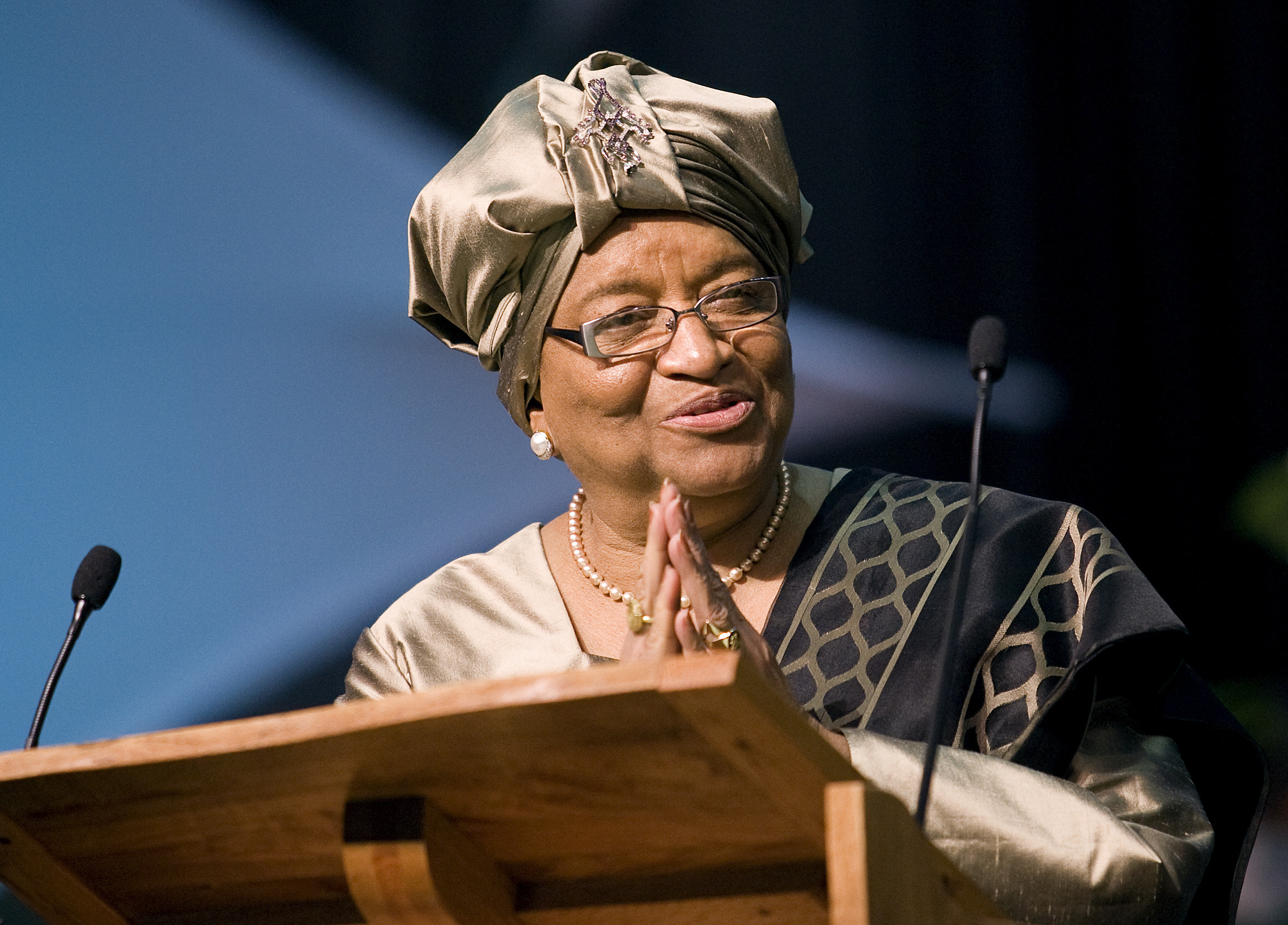
What does it take for a woman to walk into a war-scarred nation, stare down decades of corruption and patriarchy, and still ask for the hardest job in the country?
Ellen Johnson Sirleaf did exactly that in 2005, when Liberia was still bleeding from fourteen years of civil war. The streets of Monrovia carried more fear than hope, government institutions were broken, and trust in leadership was thin. Against that backdrop, Sirleaf became Liberia’s first elected female president and Africa’s first democratically elected female head of state.
Born in 1938 in Monrovia, Ellen Johnson Sirleaf grew up in a society shaped by Americo-Liberian dominance and deep ethnic divisions. She understood early how power worked and who it excluded. That awareness would later define her politics. She left Liberia to study economics and public administration in the United States, earning degrees from the University of Colorado and Harvard University. Unlike many politicians, she returned home armed with technical knowledge rather than slogans.
Her early career placed her inside the system she would later challenge. Sirleaf worked in Liberia’s Ministry of Finance during the 1970s, where she saw firsthand how corruption hollowed out the state. When military leader Samuel Doe seized power in 1980, she criticized his regime publicly. The result was prison, exile, and repeated threats to her life. Each time, she came back.
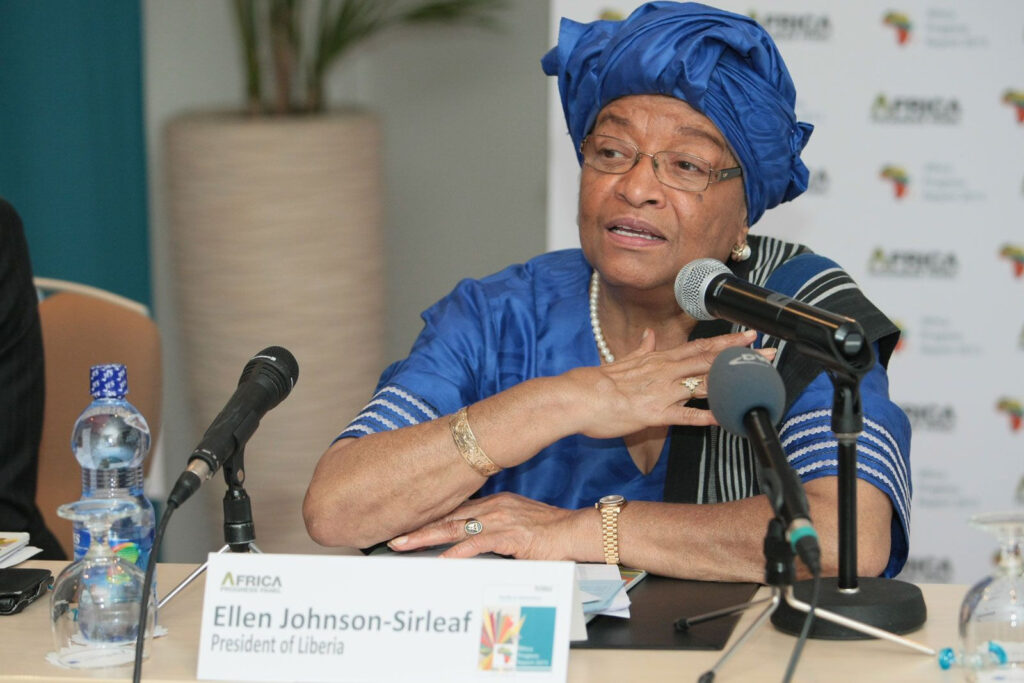
By the time Liberia held democratic elections in 2005, Sirleaf was not an outsider chasing power. She was a tested figure with scars to prove it. Running against former football star George Weah, she campaigned on rebuilding institutions rather than personalities. Voters, exhausted by war and strongman politics, chose experience over celebrity.
Her presidency began with impossible expectations. Liberia’s economy was shattered, foreign debt stood at over four billion dollars, and basic services barely functioned. Sirleaf focused on stabilizing the country before selling big dreams. She pushed for debt relief, strengthened ties with international lenders, and restored credibility with the World Bank and IMF. In 2010, much of Liberia’s external debt was cancelled, freeing resources for health, education, and infrastructure.
Governance reform sat at the center of her agenda. Sirleaf introduced anti-corruption measures, removed entrenched officials, and promoted women into senior government roles. While critics argued she did not go far enough, her administration marked a clear break from Liberia’s culture of unchecked power. For the first time in years, the state began to function with rules.
Her leadership was tested again in 2014 when Ebola reached Liberia. Fear spread faster than the virus. Hospitals collapsed, borders closed, and thousands died. Sirleaf took direct control of the response, declaring a national emergency and working closely with local communities and international partners. The crisis exposed weaknesses but also showed her ability to lead under pressure. Liberia eventually contained Ebola, a moment that reshaped public trust in government.
In 2011, Ellen Johnson Sirleaf won re-election and received the Nobel Peace Prize alongside Leymah Gbowee and Tawakkol Karman. The award recognized not just her presidency, but her broader role in advancing women’s participation in peace and politics. For many African women, her victory was proof that leadership was not reserved for men or military figures.
Her legacy remains complex. Critics point to persistent inequality, nepotism claims, and slow economic transformation. Supporters argue she inherited a collapsed state and left behind a functioning democracy. Both views can coexist. What cannot be denied is that Sirleaf changed what leadership looked like in Africa.
When she stepped down in 2018, she became the first Liberian president in decades to peacefully transfer power to an elected successor. In a country once defined by coups and conflict, that alone was historic.
