

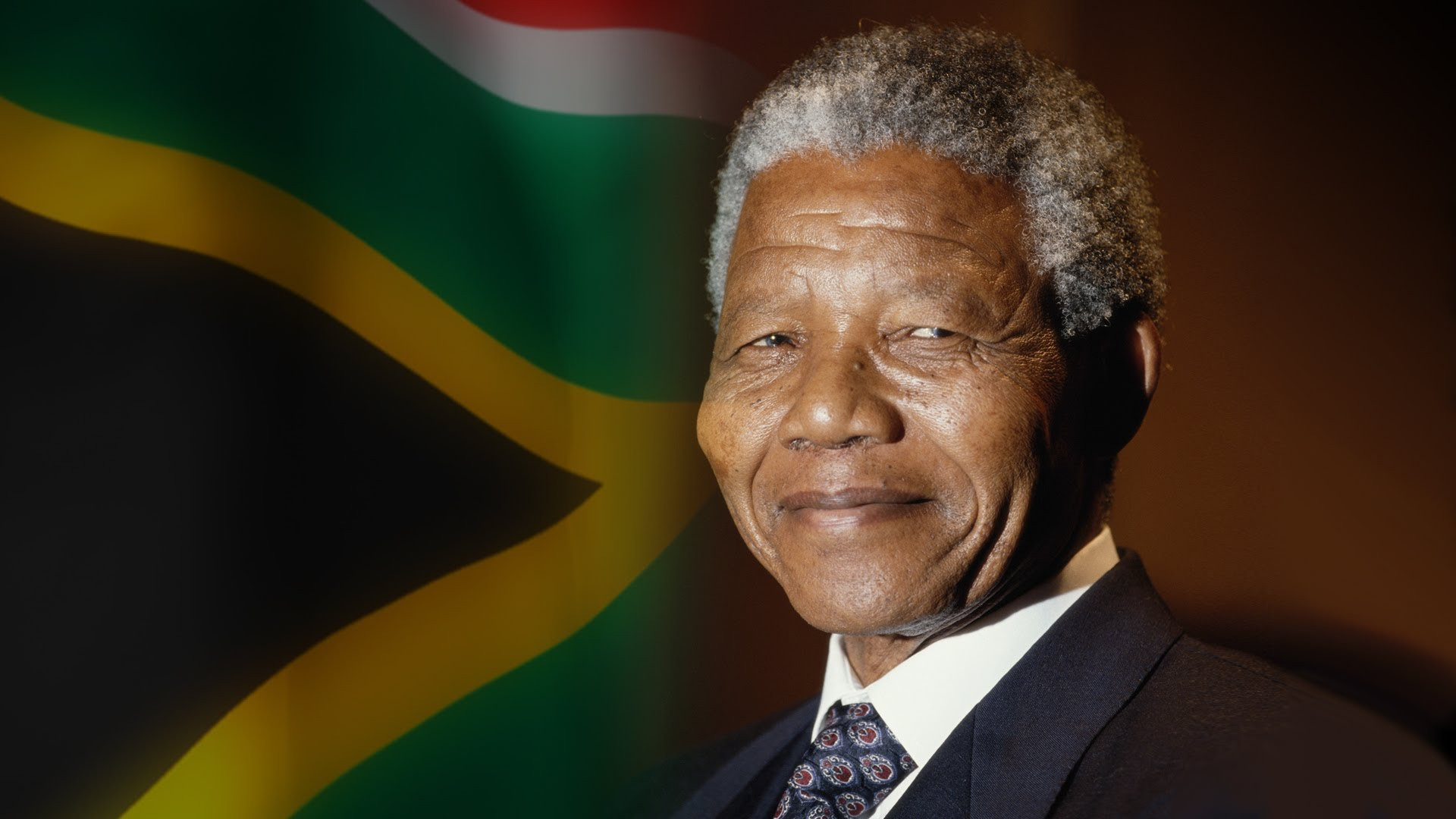
What kind of man walks out of prison after 27 years and asks his jailers to help build the nation that caged him?
That question sits at the center of Nelson Mandela’s life, a life shaped not by myth, but by hard choices made under brutal pressure.
Mandela did not begin as a symbol of forgiveness. He began as a young lawyer angry at a system designed to crush Black South Africans from birth to death. Apartheid was not a social misunderstanding. It was law, enforced by police, courts, and guns.
From Rural Transkei to the Courtroom
Nelson Rolihlahla Mandela was born in 1918 in Mvezo, in the rural Transkei. His early exposure to traditional leadership taught him discipline and debate, not submission. When he later studied law in Johannesburg, he saw apartheid at work in pass laws, forced removals, and daily humiliation.
With Oliver Tambo, Mandela opened one of the first Black law firms in South Africa. Their office was crowded with clients who had nowhere else to turn. Law became Mandela’s weapon before resistance became his calling.
When Peaceful Protest Hit a Wall
Mandela joined the African National Congress believing in nonviolent resistance. That belief was tested and broken by state violence. The Sharpeville Massacre of 1960, where police killed 69 unarmed protesters, made one fact unavoidable. The apartheid state would answer peaceful demands with bullets.
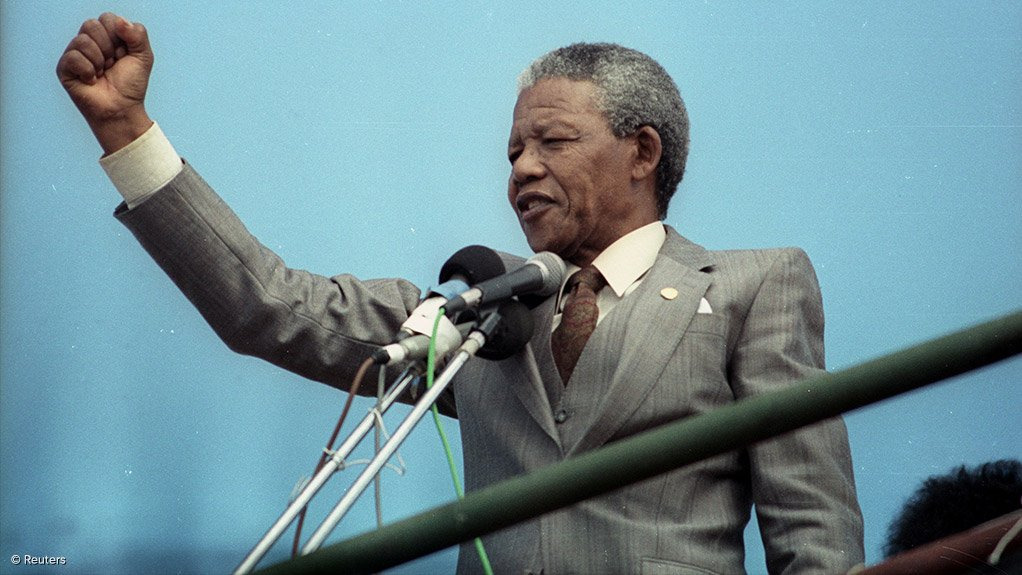
Mandela helped form Umkhonto we Sizwe, the armed wing of the ANC. The goal was sabotage, not civilian deaths. The message was clear: oppression would no longer go unanswered. This decision would later be simplified as “terrorism” by his enemies and sanitized by admirers who prefer a softer story.
Prison as a Battlefield
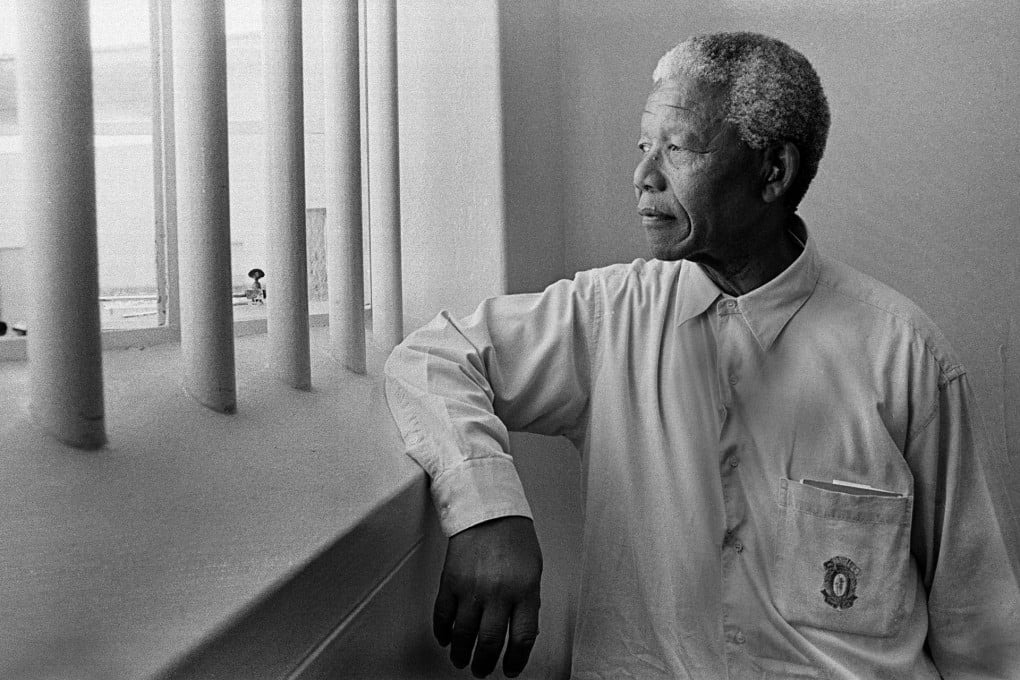
In 1962, Mandela was arrested. Two years later, he was sentenced to life imprisonment. Robben Island was designed to erase men. Prisoners broke stones under the sun, wore shorts in winter to humiliate them, and were cut off from their families.
Mandela resisted quietly but firmly. He studied Afrikaans to understand his captors. He negotiated for better conditions not just for himself but for others. Prison became a school of discipline, patience, and strategy.
The world outside changed while Mandela remained locked away. Protests grew. Sanctions tightened. South Africa became a global symbol of racial injustice.
Release Without Revenge
Mandela was released in 1990, not because the regime had grown kind, but because it had grown cornered. Civil unrest, economic pressure, and international isolation made apartheid unsustainable.
Many expected anger. Mandela chose restraint. He argued that civil war would destroy the country he was trying to free. Negotiations replaced bullets. Compromise replaced triumphalism.
This choice did not mean forgetting. It meant prioritizing survival.
President of a Wounded Nation
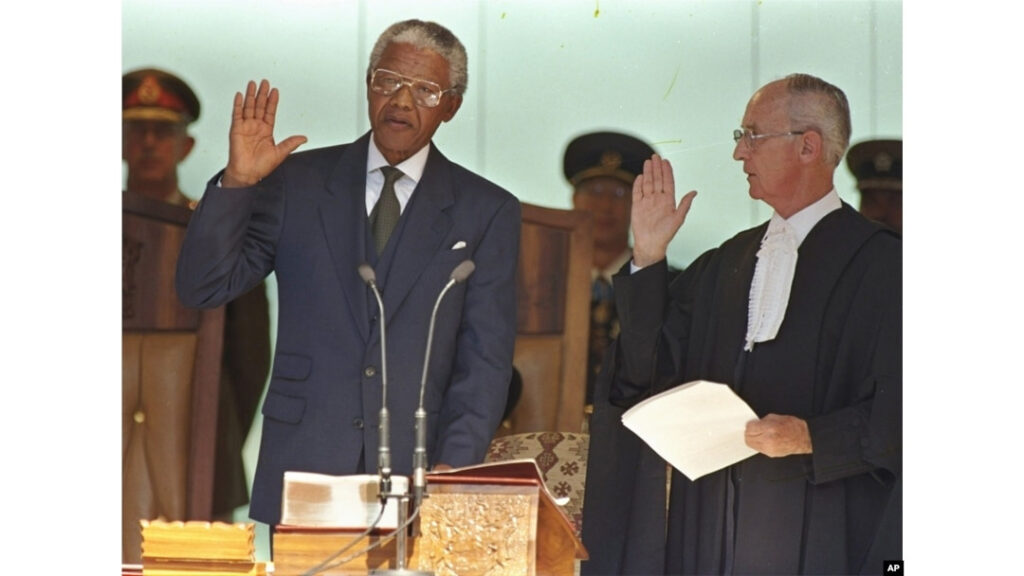
In 1994, South Africans voted in their first multiracial elections. Mandela became the country’s first Black president. His task was almost impossible. He had to unite a nation built on inequality without rewarding injustice or igniting revenge.
The Truth and Reconciliation Commission became the centerpiece of this effort. Victims were heard. Perpetrators were exposed. Not all wounds healed, but silence was broken.
Mandela governed for one term, then stepped aside. Power, to him, was a responsibility, not a possession.
The Limits of the Icon
Mandela’s image has been polished over time. His radicalism is often erased. His support for armed struggle is downplayed. His criticism of Western hypocrisy is rarely quoted.
He was not perfect. He made compromises that left economic inequality largely intact. Land redistribution moved slowly. Many South Africans remain trapped in poverty decades later.
But Mandela never claimed to be a miracle worker. He claimed to be a servant of a long struggle.
Why Mandela Still Matters
Nelson Mandela matters because he understood power without worshipping it. He understood anger without letting it rule him. He proved that moral courage can coexist with political realism.
His legacy challenges both dictators and dreamers. Freedom requires sacrifice. Justice requires memory. Reconciliation requires truth, not slogans.
Mandela did not free South Africa alone. Millions carried the weight. But he carried its contradictions with uncommon grace.
