

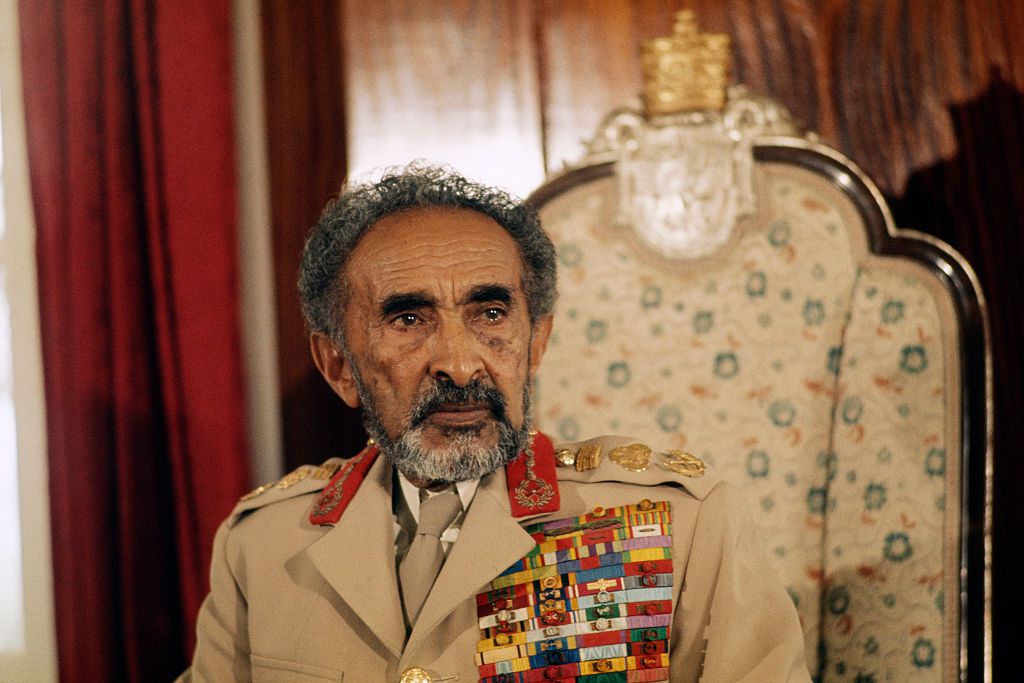
What does it take for one African leader to stand before the world and warn that global peace would remain fragile as long as racism and colonialism survived? In 1936, at the League of Nations in Geneva, Haile Selassie delivered a speech that turned Ethiopia’s suffering into a universal indictment of fascism and imperial aggression.
From Ras Tafari to Emperor
Born Tafari Makonnen in 1892 in Ejersa Goro, Selassie rose through Ethiopia’s aristocratic ranks during a period of internal reform and external threat. In 1930, he was crowned Emperor of Ethiopia, taking the throne name Haile Selassie I, meaning “Power of the Trinity.” His coronation signaled continuity with Ethiopia’s ancient Solomonic dynasty while also projecting a modernizing vision for the state.
Selassie introduced a written constitution in 1931, expanded education, and sought to centralize imperial authority. His reforms were cautious but significant in a country balancing tradition, regional power centers, and foreign pressure. For many Africans under colonial rule, Ethiopia represented something rare: a Black empire that had largely resisted European domination.
The Italian Invasion and a Defiant Voice
In 1935, Fascist Italy under Benito Mussolini invaded Ethiopia. The conflict escalated into one of the most brutal colonial wars of the 20th century, including the use of chemical weapons. Addis Ababa fell in 1936, forcing Selassie into exile in Britain.
His speech before the League of Nations did not stop the invasion, but it reshaped global opinion. He warned that collective security would collapse if aggression went unpunished. History proved him right. Within three years, Europe was at war.
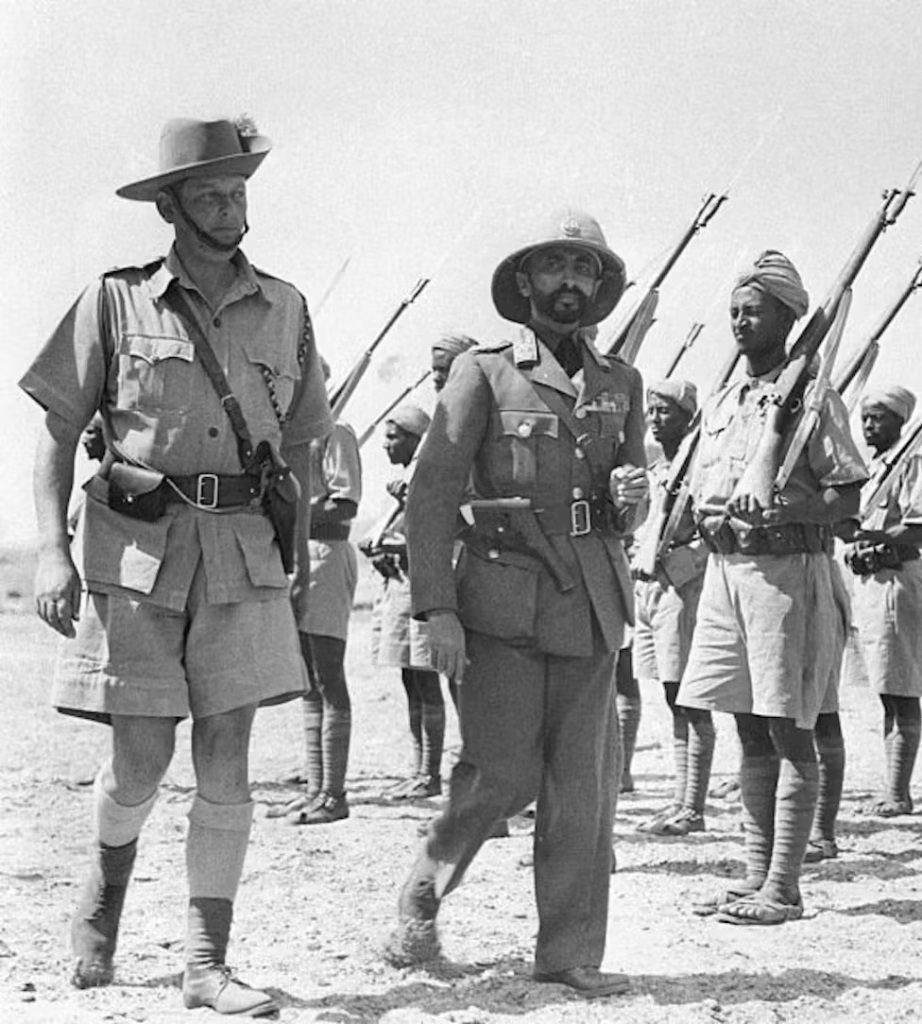
Selassie returned to Ethiopia in 1941 with Allied support during World War II, restoring the monarchy and reinforcing his image as a symbol of resistance. Across colonized Africa and the Caribbean, his survival carried psychological weight. Ethiopia’s struggle became a rallying point for anti-colonial movements.
Architect of African Unity
By the early 1960s, the map of Africa was changing rapidly. Newly independent states faced the challenge of transforming political freedom into economic and diplomatic strength. Selassie recognized that fragmented sovereignty would leave Africa vulnerable to Cold War manipulation.
In May 1963, leaders from 32 African countries gathered in Addis Ababa to establish the Organization of African Unity. Selassie hosted the summit and played a decisive role in mediating between rival blocs of African states. The OAU charter committed members to territorial integrity, non-interference, and support for liberation movements in colonized territories.
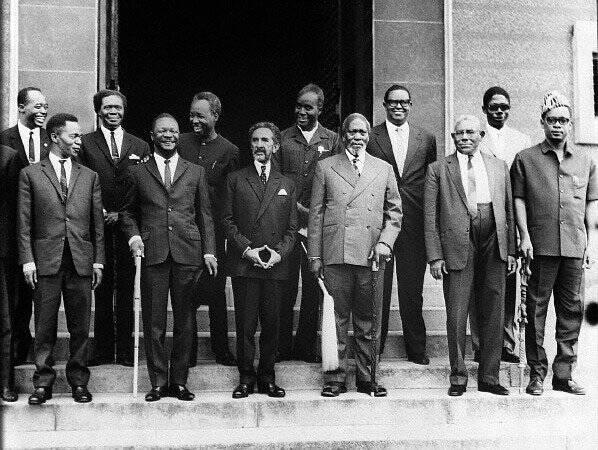
The OAU later evolved into the African Union in 2002, but its foundation remains one of Selassie’s most enduring legacies. Addis Ababa’s status as a diplomatic capital of Africa is directly linked to that 1963 gathering.
Reform, Power, and Criticism
Selassie’s long reign was not free of controversy. While he modernized aspects of governance and foreign policy, land reform moved slowly, and much of Ethiopia’s rural population remained impoverished. Critics argued that imperial centralization favored elites and delayed deeper democratic transformation.
The devastating famine of the early 1970s exposed structural weaknesses in the state. Public dissatisfaction grew within the military and urban sectors. In 1974, a Marxist-Leninist military junta known as the Derg overthrew Selassie, ending centuries of imperial rule in Ethiopia. He died in custody in 1975 under circumstances that were later investigated after the fall of the Derg.
Global Symbol and Cultural Impact
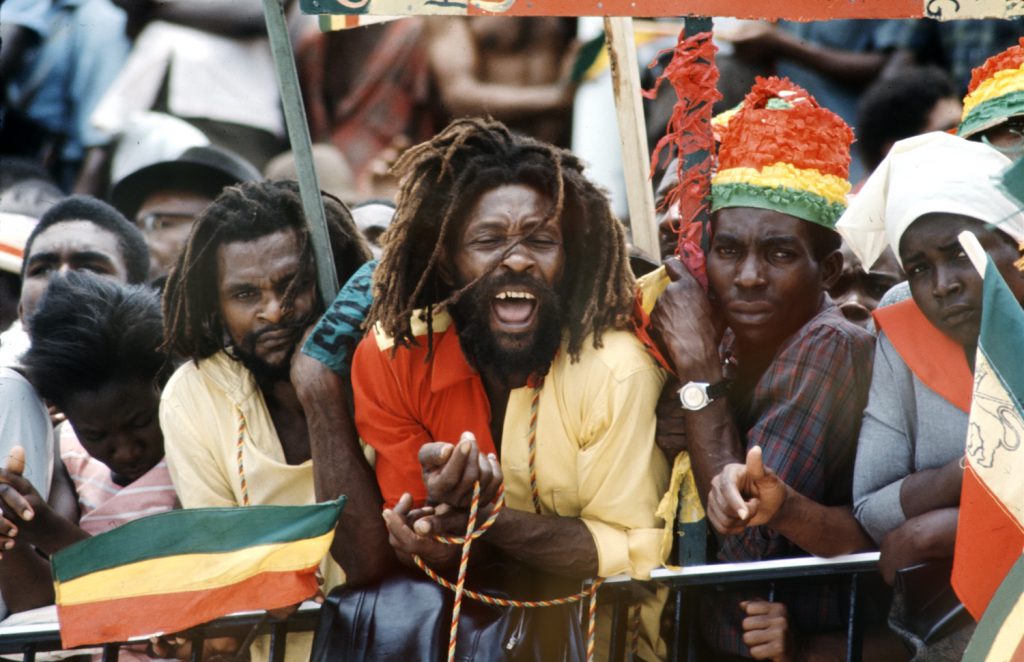
Selassie’s influence extended beyond politics. In Jamaica and across the African diaspora, he became a central figure in the Rastafari movement, which regarded him as a messianic figure. This spiritual dimension amplified his global visibility and tied Ethiopian identity to Black liberation theology and cultural resistance.
His 1963 address in Addis Ababa later inspired elements of Bob Marley’s song “War,” translating diplomatic language into a popular anthem against racial injustice. Through music, faith, and activism, Selassie’s image traveled far beyond Ethiopia’s borders.
