

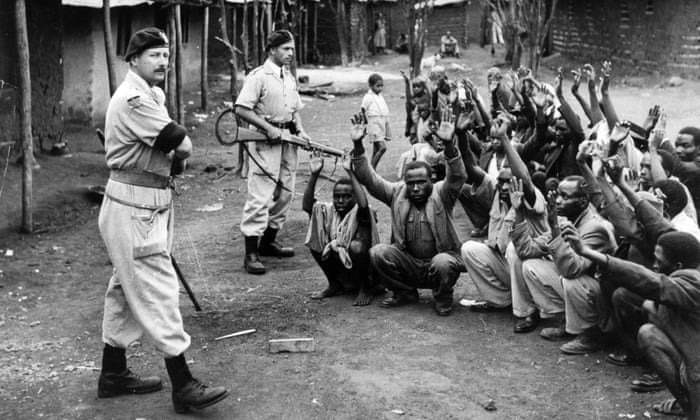
What does an empire do when the people it claims to civilize refuse to kneel?
In colonial Kenya, Britain answered that question with detention camps, mass torture, and a campaign of violence so systematic it was hidden for decades behind official silence.
The Mau Mau Rebellion was not a “savage uprising,” as colonial reports insisted. It was a land war. It was a revolt against theft, forced labor, racial humiliation, and a legal system designed to protect settlers at African expense. Between 1952 and 1960, Britain fought to keep Kenya profitable, not peaceful.
Land Theft and the Making of Revolt
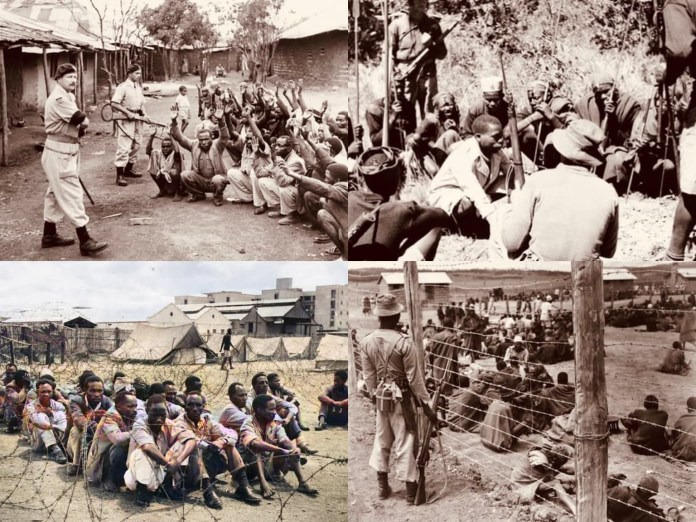
At the heart of the conflict was land. British settlers seized the most fertile areas of central Kenya, later called the White Highlands, and pushed African communities into overcrowded reserves. The Kikuyu, Embu, and Meru lost ancestral land that defined their economy, culture, and survival.
Africans who remained on settler farms worked under brutal conditions, bound by pass laws, low wages, and constant punishment. Legal avenues for protest were closed. Petitions failed. Peaceful organizing was crushed. By the early 1950s, resistance moved underground.
The Mau Mau oath, often sensationalized by colonial propaganda, was a binding political commitment. It symbolized loyalty to land recovery and freedom, not mindless violence. For many fighters, the forest was the last space where dignity could still exist.
Emergency Rule and Collective Punishment
In 1952, Britain declared a State of Emergency. What followed was not a limited security operation but total social control. Entire villages were uprooted. Over one million Kikuyu were forced into guarded “villagization” camps surrounded by barbed wire and watchtowers.
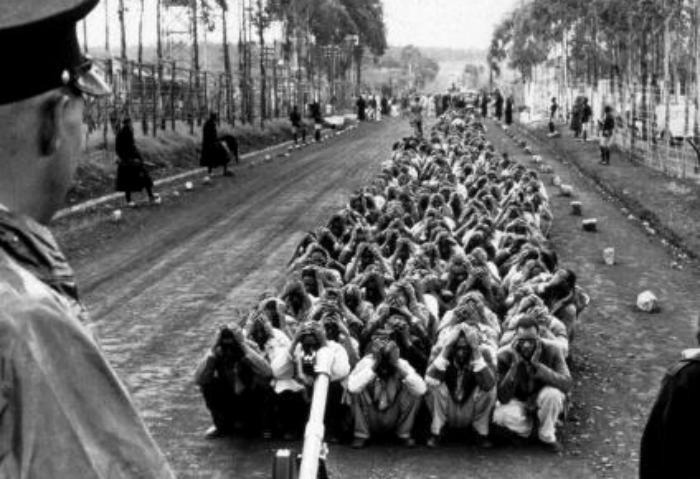
Detention without trial became routine. Tens of thousands were arrested on suspicion alone. The legal system was reshaped to guarantee convictions. Collective punishment replaced individual justice.
The aim was not just to defeat fighters in the forest but to break a population.
Inside Britain’s Detention Camps
The detention camps were the core of the counterinsurgency. Prisoners were beaten, starved, sexually assaulted, and subjected to forced labor. Torture was used to extract confessions and enforce loyalty to the colonial state.
Survivor testimonies describe castration, electric shocks, water torture, and severe beatings. Medical neglect was widespread. Deaths were common and often unrecorded. Camp guards acted with near total impunity.
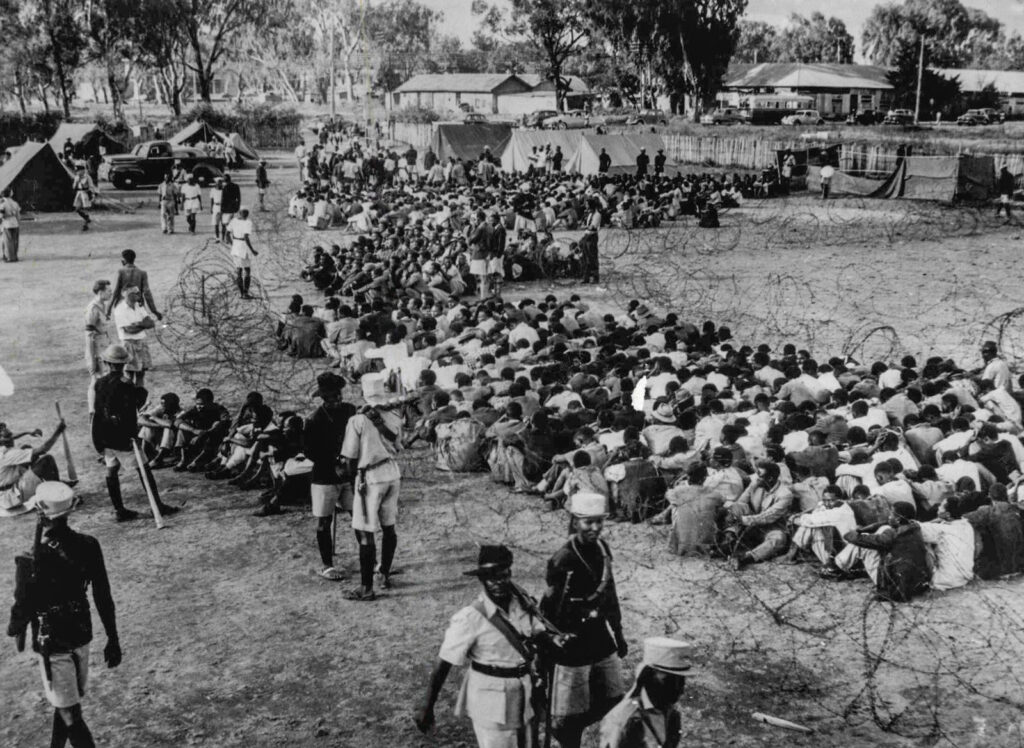
British officials knew. Reports moved up the chain of command. Abuses were labeled “excesses” rather than crimes. The system continued because it worked. It produced fear, silence, and submission.
The Myth of Civilized Rule
Publicly, Britain portrayed the war as a moral mission against barbarism. Privately, colonial officials discussed how far violence could go without attracting international attention. Files were destroyed or hidden as independence approached.
For decades, the official death toll minimized African losses while exaggerating settler casualties. Mau Mau fighters were dismissed as criminals. Their political demands were erased from the narrative.
This was not historical accident. It was deliberate memory control.
Women, Children, and the Uncounted Dead
Women were not bystanders. Many were detained, assaulted, or forced to labor. Children grew up behind barbed wire, malnourished and traumatized. Families were broken apart as punishment for suspected sympathy.
Exact numbers remain contested, but modern scholarship places African deaths in the tens of thousands, possibly higher. What is certain is that the scale of suffering was far greater than Britain ever admitted.
Victory Without Vindication
By 1960, the rebellion was militarily crushed. But Britain had lost something more valuable than territory. The moral authority of empire was shattered. International pressure grew. Maintaining control became too costly politically and financially.
Kenya gained independence in 1963. Many former Mau Mau fighters returned to poverty, landlessness, and silence. The new elite distanced itself from them to reassure Britain and investors.
Freedom arrived unevenly.
Truth, Apology, and the Long Delay
In 2013, after a landmark legal case by Mau Mau survivors, Britain formally acknowledged the torture and paid compensation. An apology was issued. Hidden colonial files were finally released.
Yet no apology can return stolen land or erased lives. Justice arrived late and incomplete.
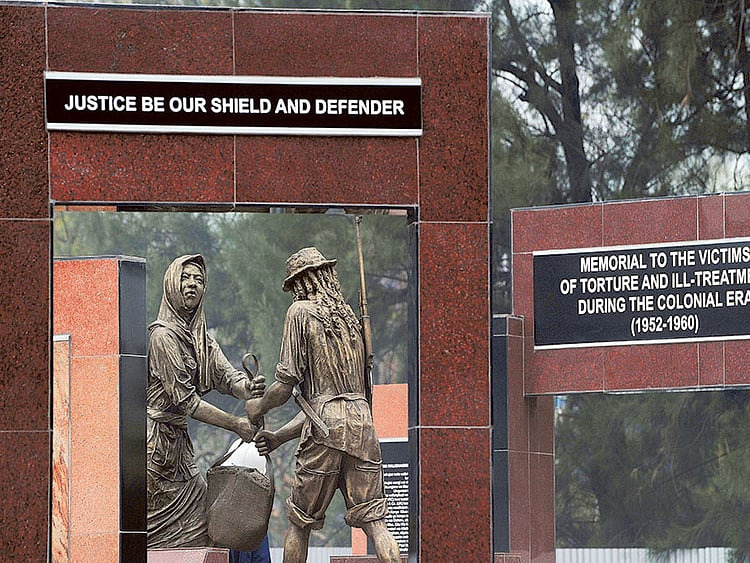
Why the Mau Mau Still Matter
The Mau Mau Rebellion forces a hard reckoning with colonial history. It exposes the gap between imperial rhetoric and reality. It explains why land remains central to Kenyan politics. It explains distrust of authority rooted in lived memory.
Most of all, it reminds us that independence was not gifted. It was extracted through pain, resistance, and sacrifice.
The forests of Mount Kenya and the Aberdares still carry that memory. The question is no longer whether atrocities happened. It is whether remembering them will finally be taken seriously.
