

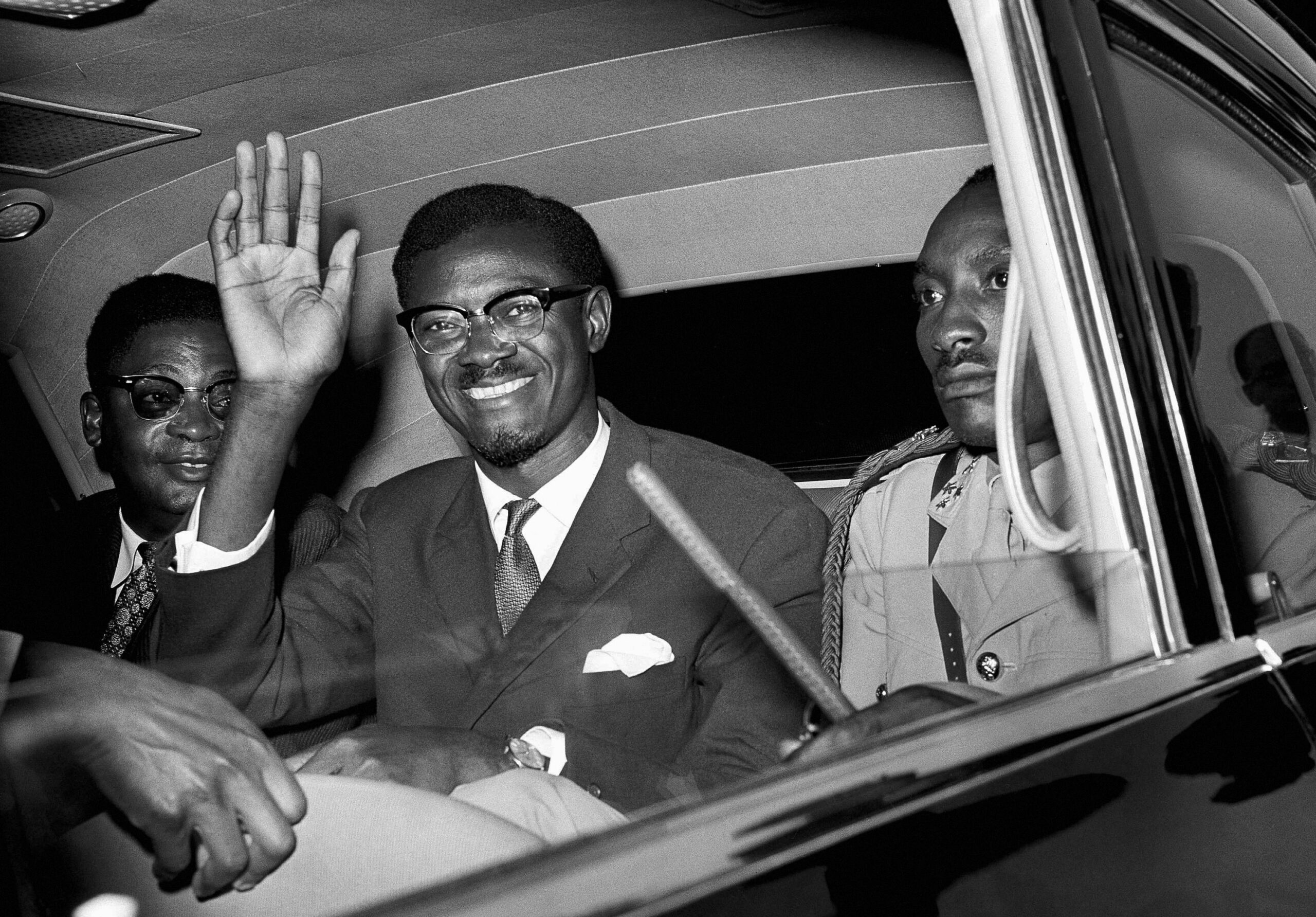
What does it mean to win independence in the morning and lose your life for it before the year ends?
That was Patrice Lumumba’s reality in 1960, when the Congo became free on paper but remained tightly held by foreign interests and internal betrayal.
Lumumba did not look like a revolutionary stereotype. He wore suits, spoke calmly, and believed fiercely in words. Yet within months of becoming the Congo’s first prime minister, he was hunted, beaten, silenced, and executed. His crime was simple and unforgivable to powerful forces: he meant what independence was supposed to mean.
From Postal Clerk to National Voice
Patrice Émery Lumumba was born in 1925 in Katanga, one of the Congo’s richest regions. Belgian colonial rule had turned the country into a vast extraction zone, rich in rubber, copper, uranium, and suffering. Education for Africans was limited by design, but Lumumba pushed through. He read widely, worked as a postal clerk, and became active in political discussion groups.
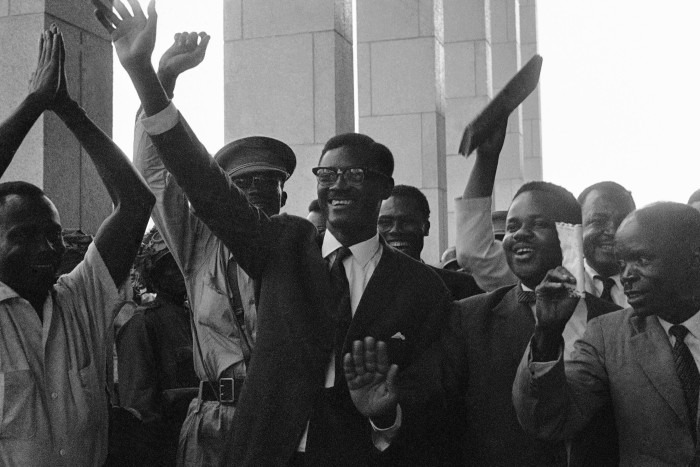
Unlike many early African leaders who emerged from elite missionary schools or traditional authority, Lumumba was self-made. He learned to argue, to organize, and to speak in a way ordinary Congolese understood. By the late 1950s, as independence movements swept across Africa, he founded the Mouvement National Congolais (MNC), one of the few parties that demanded a united Congo rather than ethnic or regional fragments.
That insistence on unity would later seal his fate.
Independence Day and a Speech That Shook Empires
On June 30, 1960, Belgium handed over power to the Congo. The ceremony was meant to be polite and controlled. King Baudouin praised Belgium’s “civilizing mission.” Then Lumumba spoke.
Without prior approval, he delivered a blunt, emotional address that named forced labor, beatings, humiliation, and theft. He spoke directly to Congolese pain and dignity, not to European comfort. The room froze. Belgian officials were furious. Western diplomats took notes.
That speech traveled far beyond the hall. It told Africans that political independence should come with truth. It also told the West that Lumumba would not be a manageable leader.
A Prime Minister Surrounded by Enemies
Lumumba became prime minister in a fragile state. The army mutinied, Belgian officers fled, and Belgium quickly intervened again under the excuse of “protecting its citizens.” At the same time, Katanga, backed by Belgian mining interests, declared secession. Losing Katanga meant losing the economic heart of the Congo.
Lumumba asked the United Nations for help to stop Belgian interference. The UN hesitated, limited by Cold War politics. Desperate, Lumumba turned to the Soviet Union for logistical support. That decision was fatal.
In the context of the Cold War, asking Moscow for help was enough to mark him as dangerous. The United States and Belgium labeled him a potential communist threat, despite clear evidence that Lumumba was a nationalist, not an ideologue. He wanted control over Congolese resources and real sovereignty. That alone made him unacceptable.
Betrayal from Within
While foreign powers plotted, internal rivals moved faster. President Joseph Kasavubu dismissed Lumumba. Lumumba challenged the dismissal. The country entered constitutional chaos. Then a young army officer named Joseph-Désiré Mobutu, backed quietly by Western intelligence, stepped in.
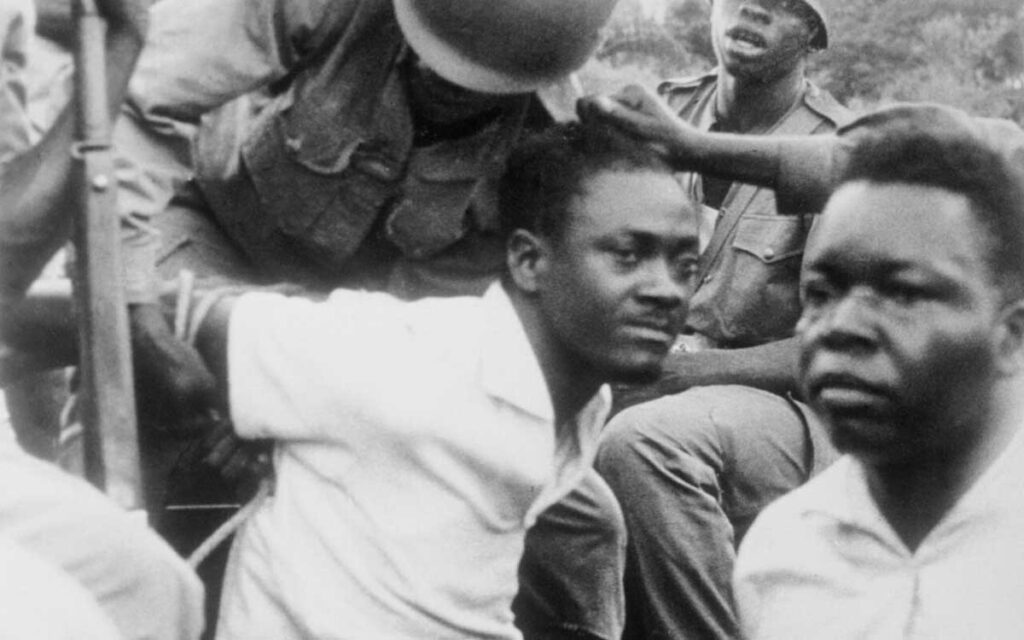
Mobutu staged a “neutralization” coup. Lumumba was placed under house arrest, cut off from allies and communication. When he tried to escape to rally supporters, he was captured, beaten publicly, and humiliated.
The man who had spoken so boldly on Independence Day was now paraded as a criminal.
Assassination in Katanga
On January 17, 1961, Patrice Lumumba was flown to Katanga, the very region that had seceded with Belgian backing. There, he was tortured and executed alongside two allies. Belgian officers were present. Congolese rivals carried out the act. His body was dissolved in acid to erase evidence.
The assassination was initially denied, obscured, and lied about. Years later, Belgium would admit “moral responsibility.” The United States would declassify documents showing clear intent to remove Lumumba from power.
By then, the damage was done.
The Aftermath: A Silenced Congo
Lumumba’s death removed the last obstacle to foreign-friendly rule. Mobutu eventually took full control, ruling for over three decades with Western support while looting the country and crushing dissent. The Congo’s vast wealth continued to enrich outsiders while its people endured poverty and violence.
This was not an accident. Lumumba’s murder sent a message across Africa: independence was allowed, but control was not.
Why Lumumba Still Matters
Patrice Lumumba did not rule long enough to make policy mistakes or successes. What remains is his intention. He believed Africans deserved dignity, unity, and ownership of their future. He refused to divide the Congo along ethnic lines. He refused to flatter former colonizers. He refused to whisper.
That refusal made him a martyr.
Today, Lumumba is honored in statues, streets, and speeches across Africa and the diaspora. Yet his deeper lesson is often avoided. He shows how fragile independence can be when economic power stays external. He shows how quickly democratic choice can be overridden when it threatens global interests.
Most importantly, he forces an uncomfortable question: How many African leaders after him learned to survive by becoming less like Lumumba?
The Man They Could Not Erase
Despite attempts to erase him, Lumumba’s words survived. His letters from prison reveal clarity, not bitterness. In one, he wrote that Africa would write its own history, and it would be a history of glory and dignity.
He never lived to see it. But neither did his killers succeed in burying him.
Patrice Lumumba remains Congo’s first prime minister, not because of the title, but because he understood what leadership demanded and paid the highest price for it.
