

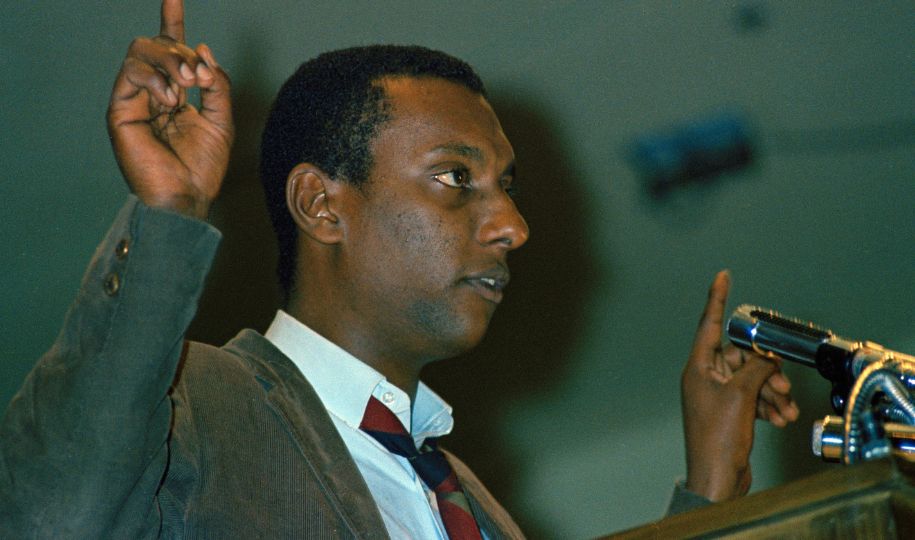
A crowded Mississippi road. Night falling. A young activist climbs onto a truck and shouts two words that slice through fear and hesitation: “Black Power!” In that moment, Kwame Ture shifts the tone of a movement and redraws the boundaries of Black political thought.
Born in Trinidad in 1941, Ture moved to the United States as a child and came of age in a country defined by segregation. At Howard University, he sharpened his political awareness and joined a generation determined to confront injustice directly. He soon became a leading organizer within the Student Nonviolent Coordinating Committee, one of the most daring groups in the civil rights struggle.
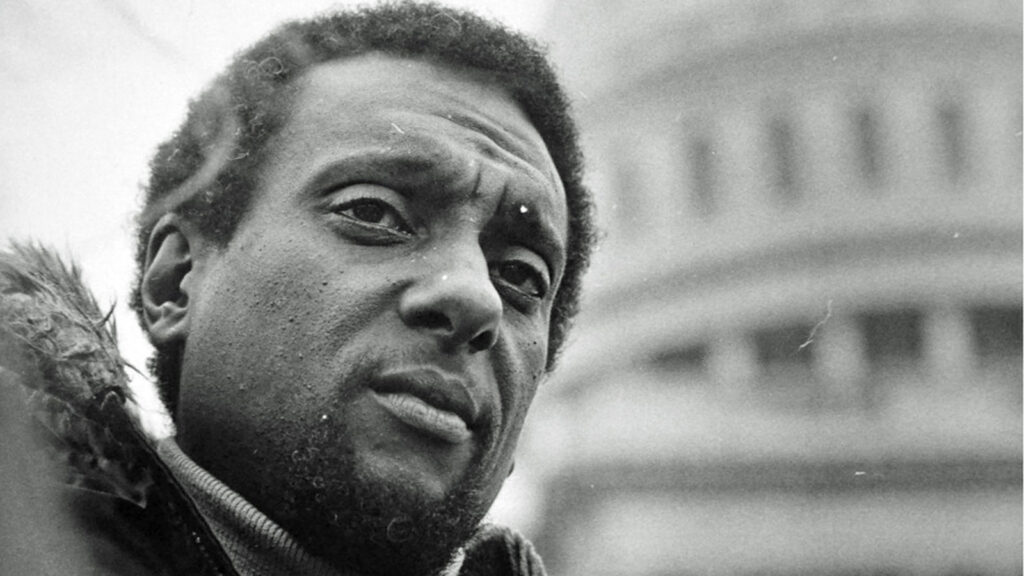
Ture did not theorize from a distance. He worked on the ground in the American South, registering Black voters in areas where violence was a constant threat. Arrests, beatings, and intimidation were routine, not exceptional. These experiences exposed the limits of appealing to systems that refused to change.
By 1966, frustration had reached a breaking point. During the March Against Fear, Ture publicly called for “Black Power,” a phrase that would define a new phase of activism. He was not rejecting civil rights. He was reframing them. His message centered on self-determination, economic control, and political independence for Black communities.
The shift was controversial. Some leaders within the broader movement feared the phrase would alienate allies. Figures like Martin Luther King Jr. emphasized nonviolence and integration, while Ture argued that dignity required power, not just access. The tension reflected a deeper question: should the goal be inclusion within existing systems or the creation of new ones?
Ture’s ideas quickly resonated beyond the United States. He collaborated with the Black Panther Party, amplifying calls for community control, self-defense, and social programs. His speeches connected urban struggles in America with anti-colonial movements across Africa, framing them as part of a single global fight.
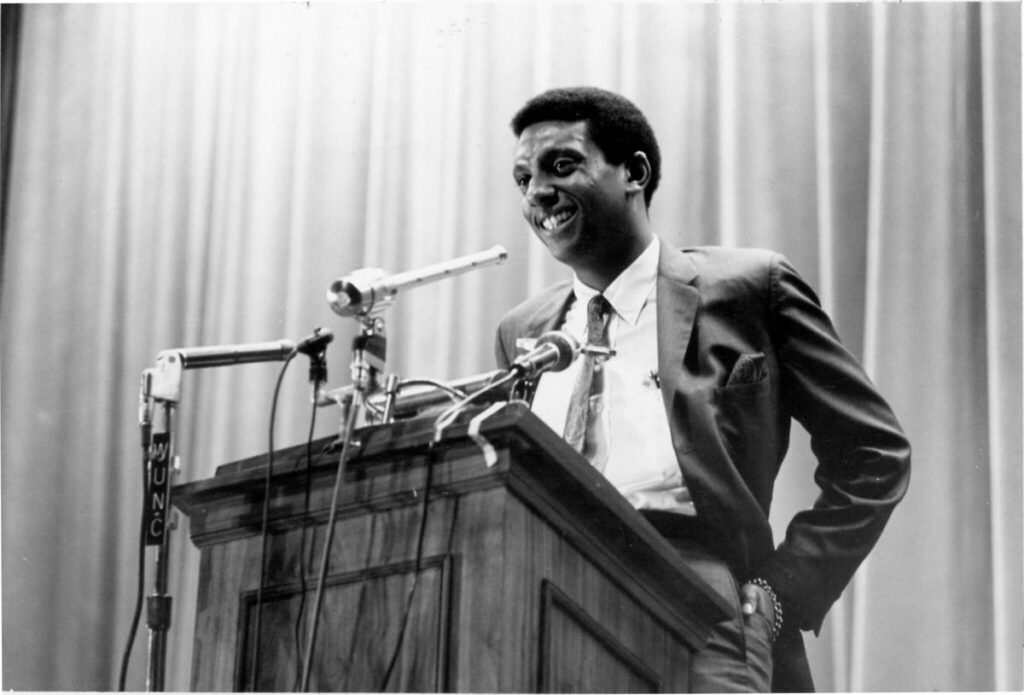
That global vision became personal. Ture relocated to Guinea, where he worked closely with Kwame Nkrumah and Ahmed Sékou Touré. He adopted the name Kwame Ture to honor both leaders, signaling a full commitment to Pan-African unity. This was not symbolism for its own sake. It reflected a belief that Black liberation could not be confined by national borders.
Until his death in 1998, Ture remained a relentless advocate for Pan-Africanism. He lectured, organized, and challenged both Western power structures and African leadership to pursue genuine independence. His critics saw him as radical. His supporters saw him as necessary.
His legacy still provokes debate. “Black Power” is often simplified into a slogan, stripped of its original depth. Ture’s vision was more demanding. It called for control over politics, economics, culture, and narrative. It asked a harder question than integration alone could answer: who holds power, and who decides the future?
