

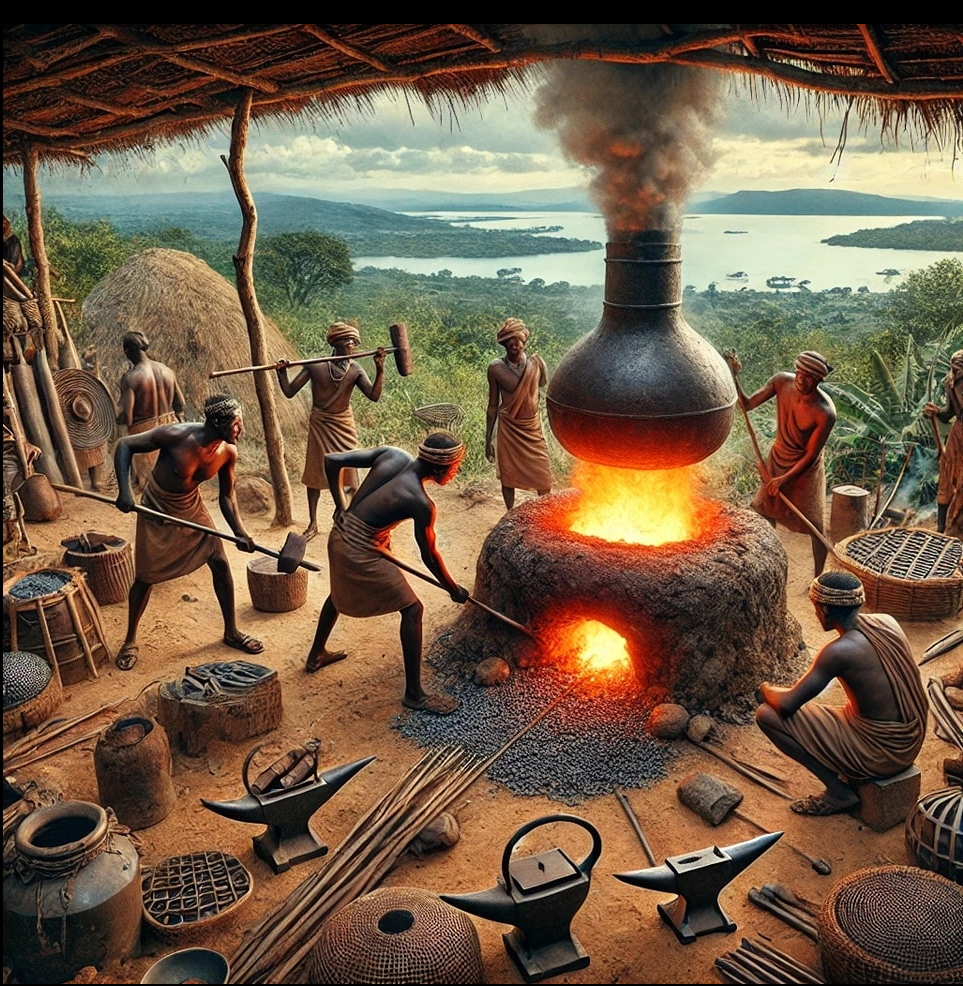
A furnace glows deep red under a night sky somewhere in ancient Africa. Bellows pump rhythmically. Sparks rise. Inside, rock is turning into iron, and with it, entire societies are being reshaped.
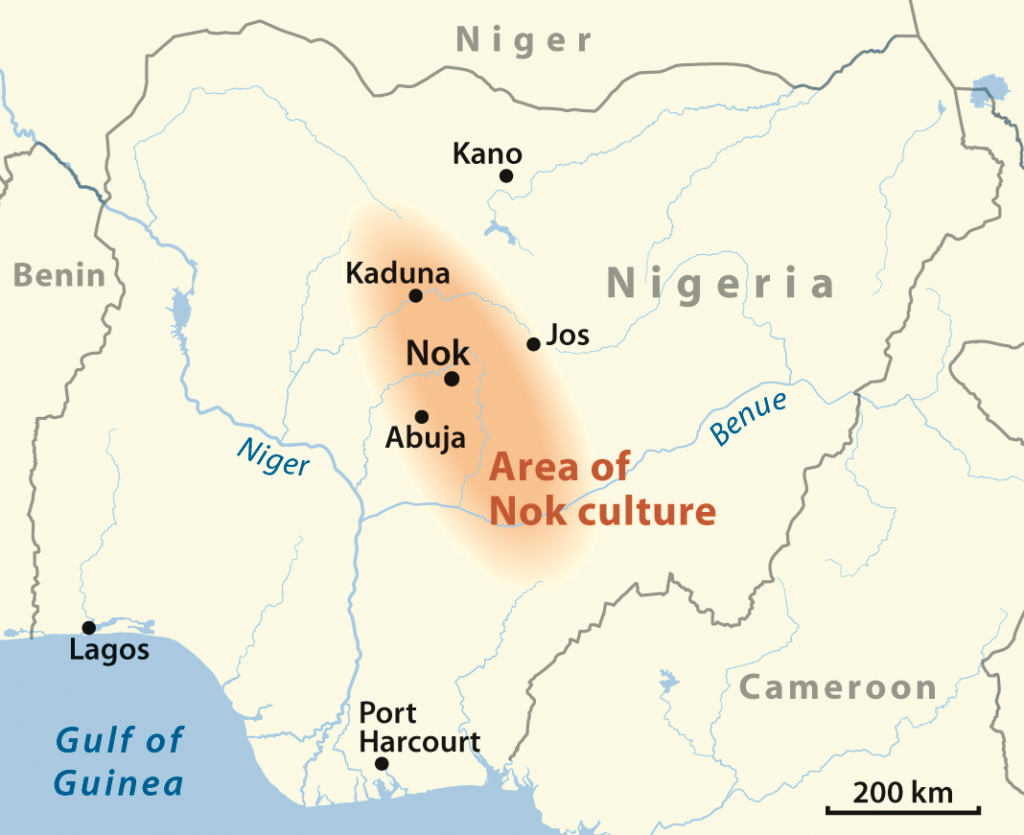
Long before Europe’s industrial furnaces, African communities had already unlocked the science of iron smelting. Evidence from Nok Culture shows ironworking as early as 1000 BCE, with tools and artifacts that suggest both skill and consistency. This was not accidental discovery. It was controlled, repeatable technology.
Across the continent, iron production emerged in multiple regions, not from a single borrowed source. At Meroë, entire landscapes were transformed by iron industries. Archaeologists have uncovered vast slag heaps and furnace remains, clear signs of large-scale production. Meroë did not just make iron. It built an economy around it.
The engineering behind these furnaces tells a deeper story. In parts of present-day Tanzania, the Haya Kingdom developed preheated forced-draft furnaces capable of producing medium-carbon steel. These systems used heated air blasted into the furnace to achieve higher temperatures and better-quality output. Similar principles would only appear in Europe centuries later.
Iron changed everything it touched. Farmers gained stronger hoes and axes, increasing food production and supporting population growth. Hunters and warriors used sharper, more durable weapons, shifting power between communities. Trade routes expanded as iron tools and goods moved across regions, linking distant societies into economic networks.
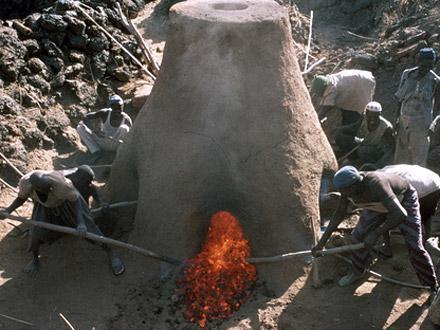
Cultural meaning grew alongside practical use. Ironworking was often surrounded by ritual, with blacksmiths holding respected or even sacred status in many communities. The process of turning earth into metal carried symbolic weight, blending science with spirituality.
Yet this history was long dismissed or misunderstood. Early colonial narratives claimed Africa lacked independent technological innovation, often suggesting ironworking diffused from outside regions. Modern archaeological research has overturned that view, pointing to multiple independent centers of invention across Africa. The continent was not catching up. It was leading in its own right.
The remains of ancient furnaces, scattered across landscapes from West Africa to the Nile Valley, still stand as evidence. They mark places where human ingenuity pushed the limits of heat, chemistry, and design without written manuals or modern instruments.
Understanding African iron smelting is not about correcting a minor historical detail. It forces a rethinking of global technological history. It shows that innovation has never belonged to one region alone, and that some of humanity’s most important breakthroughs were forged in places too often left out of the story.
