

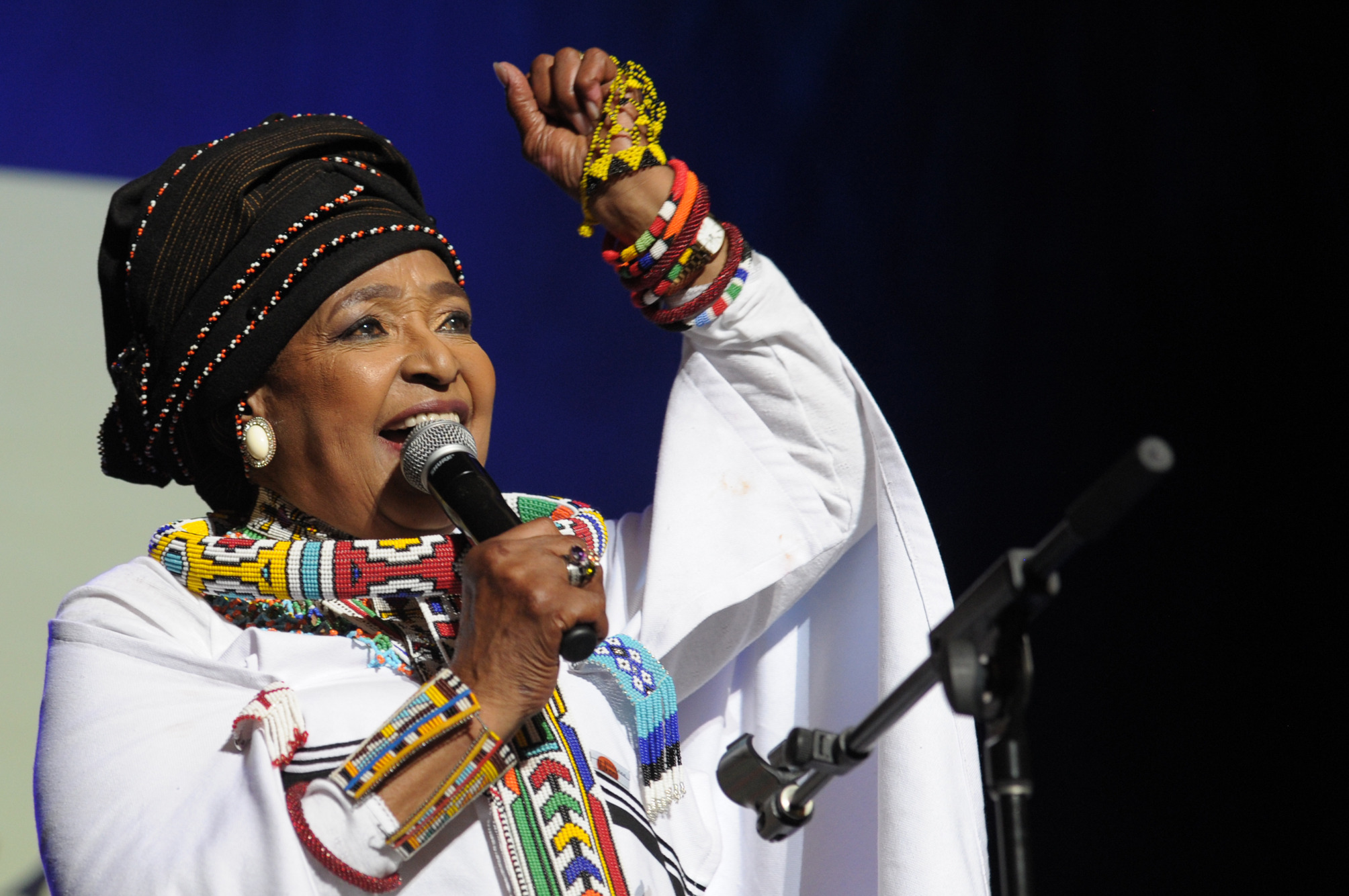
What Happens When a Government Fears One Woman More Than Thousands of Protesters?
For decades, the apartheid government imprisoned activists, banned political organizations, and silenced critics. Yet one woman continued to challenge the system despite arrests, surveillance, exile, and intimidation. That woman was Winnie Madikizela-Mandela, a figure whose name became synonymous with resistance in South Africa’s struggle against apartheid.
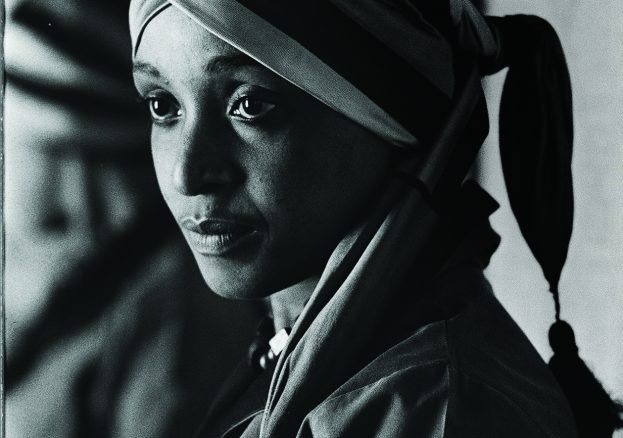
Born Nomzamo Winifred Zanyiwe Madikizela on September 26, 1936, in Bizana, Eastern Cape, South Africa, Winnie grew up in a society deeply divided by racial discrimination. She excelled in her studies and became one of the first Black South African women to qualify as a medical social worker. Her work exposed her to the harsh realities of poverty, inequality, and state-sponsored racial segregation, experiences that strengthened her commitment to social justice.
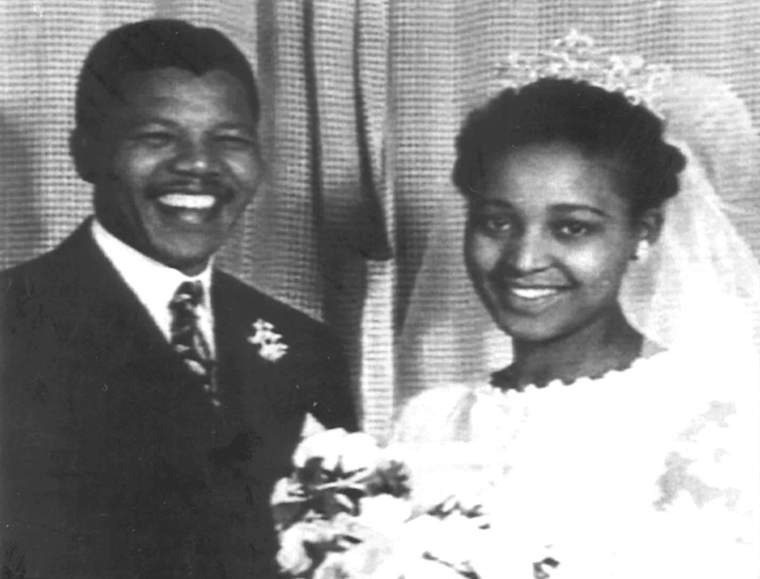
Her life changed dramatically after meeting Nelson Mandela, a lawyer and leading member of the African National Congress (ANC). The couple married in 1958, but their family life was repeatedly disrupted by political repression. In 1962, Nelson Mandela was arrested, and in 1964 he was sentenced to life imprisonment during the Rivonia Trial.
With many liberation leaders imprisoned or forced into exile, Winnie emerged as one of the most prominent voices of the anti-apartheid movement inside South Africa. The government viewed her as a threat and subjected her to constant harassment. She was arrested several times, placed under banning orders that restricted her movements and public activities, and in 1969 spent more than a year in detention, including long periods in solitary confinement under the Terrorism Act.
Rather than withdrawing from public life, Winnie became increasingly active in mobilizing communities against apartheid. During the 1970s and 1980s, she spoke at public gatherings, supported political prisoners and their families, and helped maintain international attention on South Africa’s liberation struggle. Her home in Soweto became an important center of political activity and resistance.
Many South Africans came to regard her as the “Mother of the Nation.” The title reflected her role as a symbol of strength and perseverance during a period when state violence and repression were widespread. To supporters, she represented the determination of ordinary South Africans to resist injustice despite overwhelming odds.
Winnie’s legacy, however, remains complex and widely debated. While she is celebrated for her contributions to the struggle against apartheid, controversies surrounding the Mandela United Football Club and allegations of violence during the late 1980s continue to generate discussion among historians and political analysts. These events have made her one of the most examined figures in modern South African history.
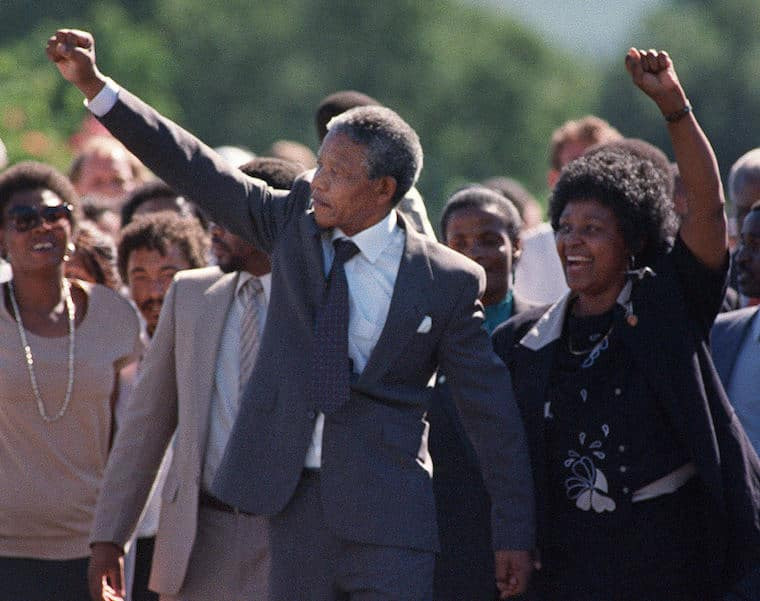
Following Nelson Mandela’s release from prison in 1990 and the eventual collapse of apartheid, Winnie remained active in politics. She served in leadership positions within the ANC and later as a Member of Parliament. Although her marriage to Nelson Mandela ended in divorce in 1996, her political influence and public profile extended far beyond her association with South Africa’s first democratically elected president.
Winnie Madikizela-Mandela passed away on April 2, 2018, at the age of 81. Her death prompted tributes from political leaders, activists, and ordinary citizens across Africa and the world. Many remembered her as a fearless campaigner who kept the struggle against apartheid alive during some of its most difficult years.
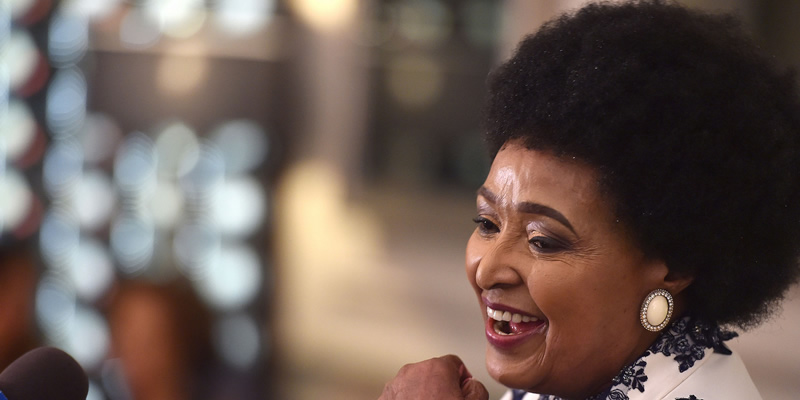
Today, Winnie Mandela occupies a unique place in African history. She is remembered as a freedom fighter, political leader, women’s rights advocate, and enduring symbol of resistance. Her life reflects both the sacrifices demanded by liberation struggles and the complexities that often accompany revolutionary leadership. For scholars studying South African history, the anti-apartheid movement, and the role of women in African liberation struggles, Winnie Mandela remains an indispensable figure whose impact continues to shape historical and political debates.
