

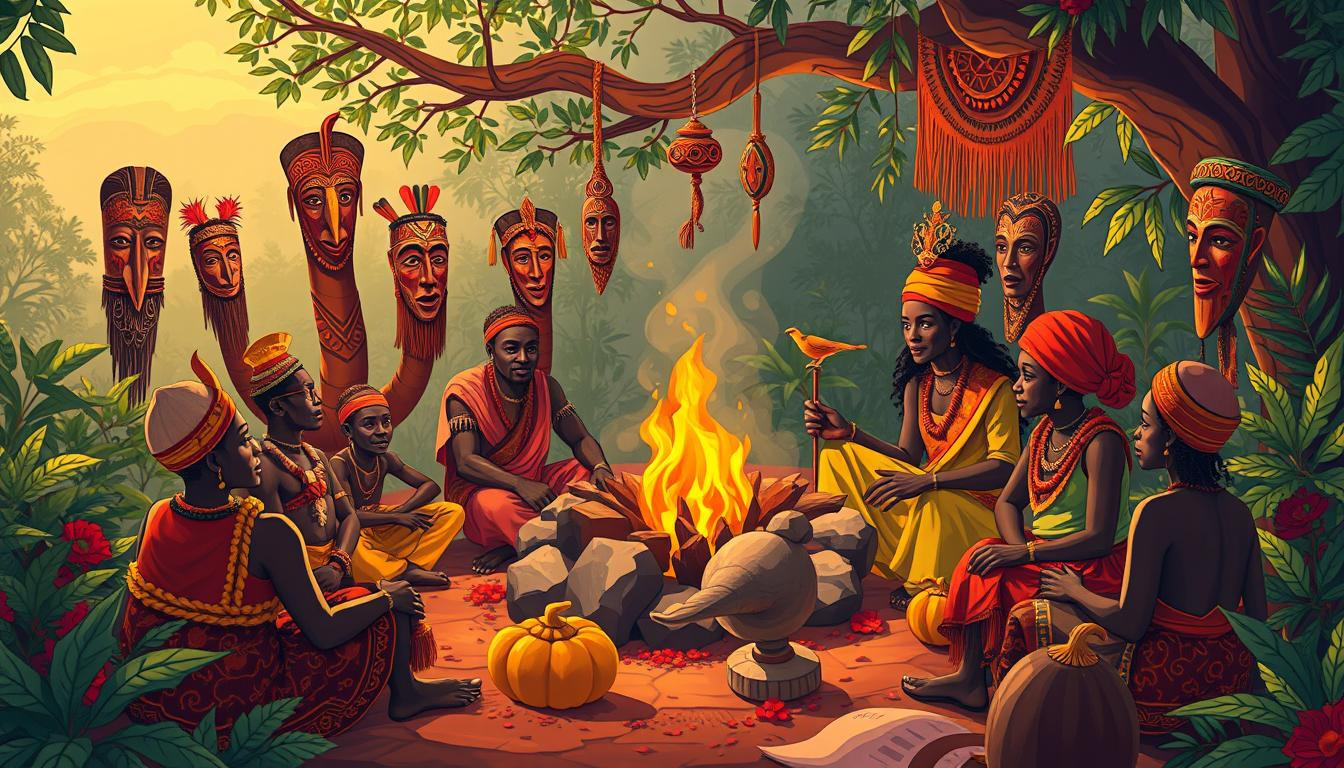
Picture a village gathering beneath a giant baobab tree centuries before the first European missionary ship appeared on Africa’s shores. Elders chant prayers. Drums echo through the night. Families seek guidance from ancestors. Farmers ask for rain. Warriors prepare for battle. Every ritual carries meaning.
For generations, many outsiders portrayed Africa as a continent without organized religion before Christianity and Islam arrived. Historical evidence tells a very different story.
Long before missionaries crossed African borders, communities across the continent practiced sophisticated spiritual traditions that shaped governance, morality, family life, agriculture, medicine, and social harmony. African spirituality was not an afterthought. It was the foundation upon which societies were built.
What Was African Spirituality?
African spirituality refers to the diverse religious and philosophical systems developed by African communities over thousands of years. Although practices varied from region to region, many shared common principles.
Most African societies believed in a Supreme Creator who was responsible for the creation of the universe. This Creator was often considered too powerful and sacred for direct daily interaction.
Among the Akan of present-day Ghana, the Creator was known as Nyame. The Yoruba of Nigeria recognized Olodumare. The Kikuyu of Kenya worshipped Ngai. The Zulu people referred to the Supreme Being as Unkulunkulu.
These names differed, but the underlying belief remained remarkably similar: a supreme source of life existed above all things.
The Powerful Role of Ancestors
One of the most misunderstood aspects of African spirituality is ancestor veneration.
Ancestors were not worshipped as gods. Instead, they were respected as spiritual elders who remained connected to the living community even after death.
Families believed ancestors could offer protection, wisdom, and guidance. Special ceremonies were performed to honor them and maintain harmony between the physical and spiritual worlds.
For many African societies, death was not viewed as an ending. It was considered a transition into another stage of existence.
This belief strengthened family bonds and encouraged communities to preserve their traditions across generations.
Sacred Places Across the Continent
African spirituality was deeply connected to nature.
Mountains, forests, rivers, caves, and ancient trees often held spiritual significance. These locations were treated with respect because they were believed to be places where the spiritual and physical worlds intersected.
Among the Kikuyu people, prayers were traditionally offered facing Mount Kenya. In West Africa, sacred groves became important centers for worship and community gatherings.
Protecting these sacred spaces also helped preserve ecosystems long before modern conservation movements emerged.
Spiritual Leaders and Traditional Knowledge
Every society had respected spiritual specialists who guided communities through important moments in life.
These individuals included diviners, healers, priests, priestesses, and elders.
Their responsibilities extended beyond religion. They served as counselors, mediators, historians, educators, and custodians of cultural knowledge.
Traditional healing combined spiritual understanding with extensive knowledge of herbs, plants, and natural remedies. Much of this knowledge continues to influence healthcare practices across Africa today.
Morality Without Foreign Religions
A common misconception suggests that morality arrived in Africa through foreign religions.
Historical records and oral traditions show otherwise.
African societies developed clear moral codes that emphasized honesty, respect for elders, hospitality, responsibility, justice, and communal welfare.
Many communities enforced these values through customary laws, cultural teachings, and social accountability.
The principle often summarized today as Ubuntu reflects this worldview: a person’s humanity is connected to the humanity of others.
The Arrival of Missionaries
When Christian missionaries arrived in different parts of Africa between the fifteenth and nineteenth centuries, they encountered societies with established spiritual systems.
Some missionaries dismissed African beliefs as superstition. Others documented local traditions in detail.
The encounter transformed African religious landscapes. Christianity spread widely, often blending with local customs and cultural practices.
Yet many traditional beliefs survived. Elements of ancestral respect, community-centered spirituality, sacred ceremonies, and indigenous wisdom continue to influence millions of Africans today.
Why Understanding African Spirituality Matters
Studying African spirituality helps correct one of history’s most persistent misconceptions.
Africa was never spiritually empty.
Before missionaries arrived, the continent was home to diverse religious traditions that addressed life’s biggest questions: Where do we come from? What happens after death? How should people live together? What responsibilities do humans have toward nature?
The answers varied across cultures, but they reveal a continent rich in philosophy, ethics, and spiritual thought.
