

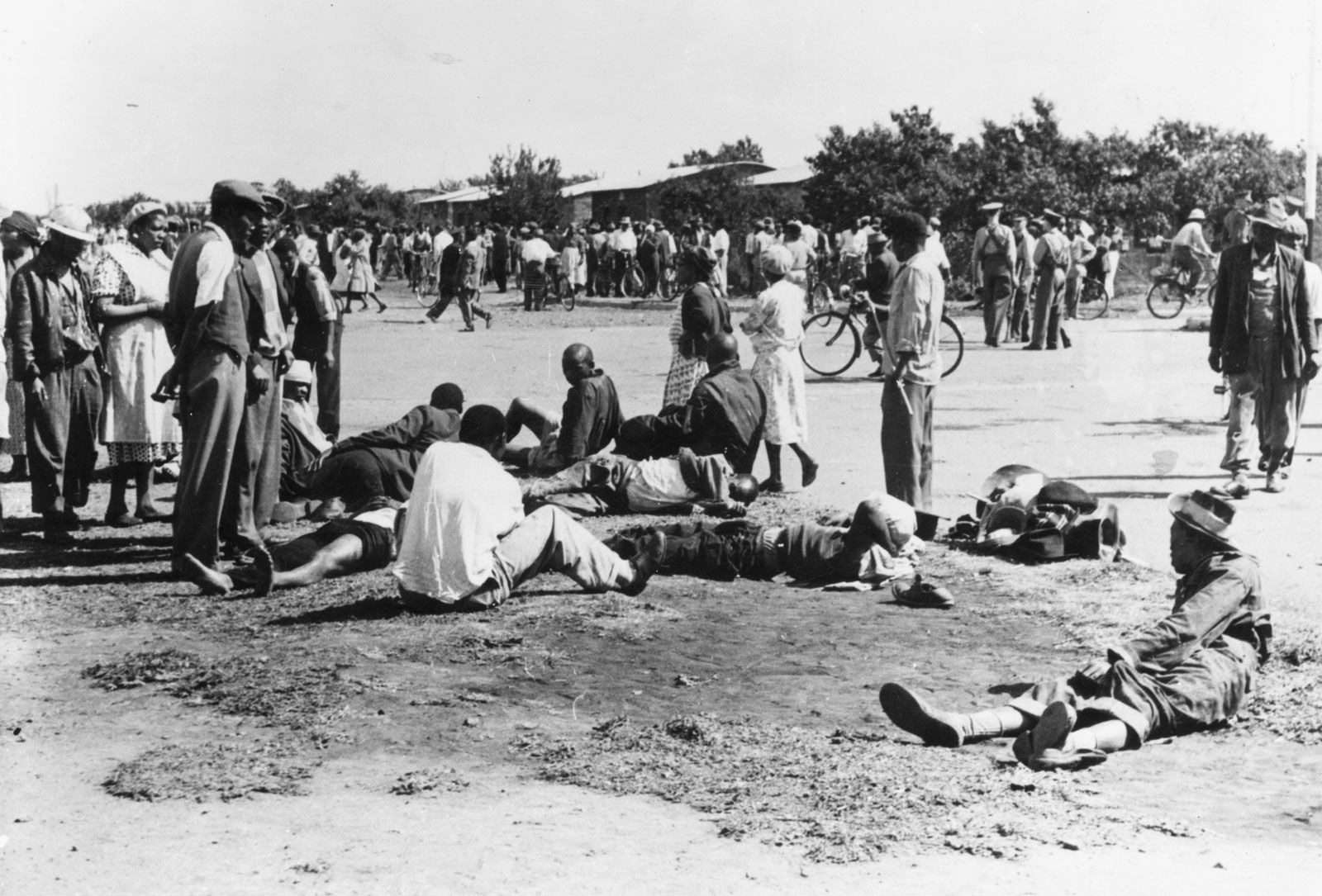
What happens when an entire generation is denied a quality education, grows up with few economic opportunities, and later finds itself struggling to survive in one of Africa’s largest economies? The answer lies in a painful chapter of South African history that continues to influence the country’s social and political landscape decades after apartheid officially ended.
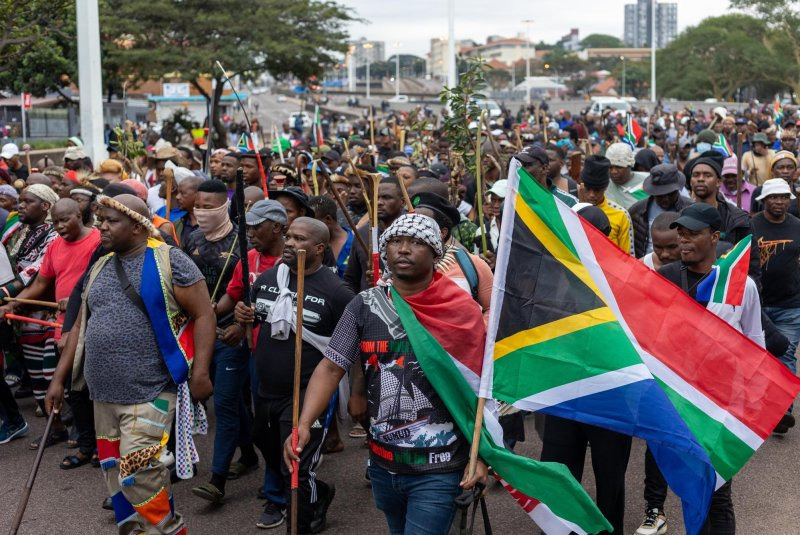
Whenever anti-immigrant protests erupt in South Africa, the conversation often centers on claims that foreigners are taking jobs, running businesses unfairly, or placing pressure on public services. African migrants from countries such as Zimbabwe, Nigeria, Somalia, Ethiopia, Mozambique, Malawi and the Democratic Republic of the Congo have repeatedly found themselves at the center of public anger. Yet these tensions did not begin with migration. Their roots stretch back to the apartheid era, when an entire generation sacrificed education in the fight for freedom.
Under apartheid, the education system for Black South Africans was never designed to create doctors, engineers, scientists or business leaders. Instead, the Bantu Education system deliberately prepared Black children for low-paying jobs and ensured they remained economically disadvantaged. Schools became powerful symbols of oppression rather than places of opportunity, and many young people concluded that remaining in the classroom meant accepting injustice.
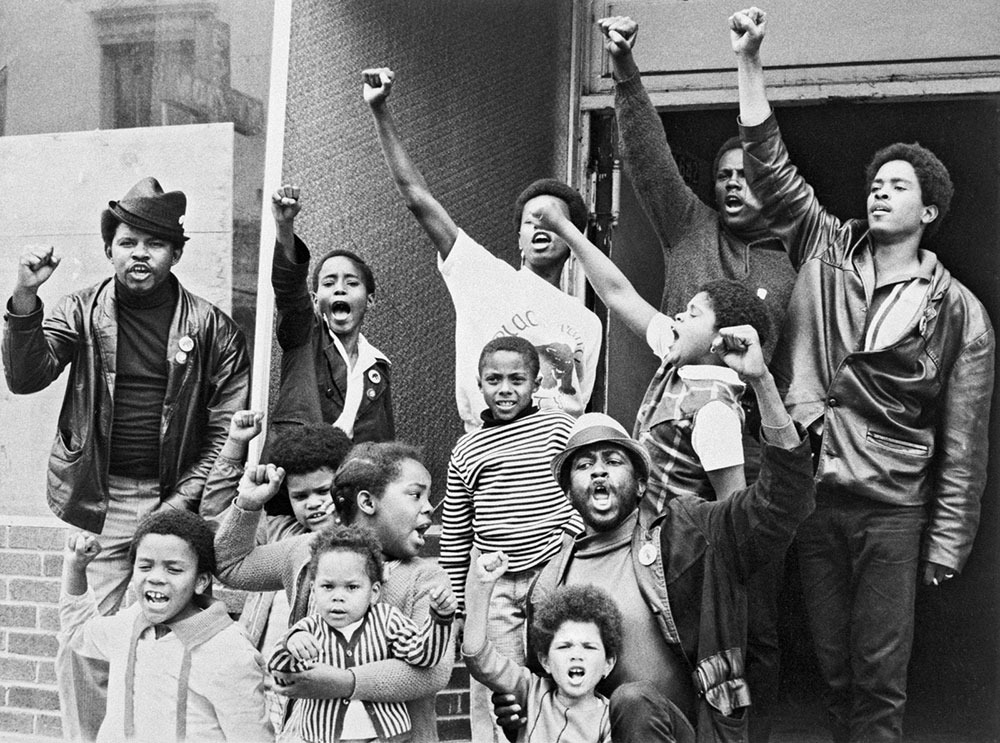
The turning point came as student resistance intensified across the country. Following the 1976 Soweto Uprising and throughout the 1980s, thousands of students joined prolonged school boycotts, protests and political campaigns. Many believed that “liberation before education” was the only path to genuine freedom. Schools closed for long periods because of unrest, police crackdowns and political violence. Countless students never completed their education, while others abandoned school altogether to join the broader anti-apartheid struggle.
History rightly remembers these young people for their courage and sacrifice. Their resistance helped expose the brutality of apartheid to the world and strengthened the movement that eventually led to democracy in 1994. Yet freedom came with an unexpected cost. Many who had fought for liberation entered adulthood without formal qualifications or vocational skills. They had won political rights but faced an economy that increasingly demanded education and technical expertise.
This group later became known as South Africa’s “Lost Generation.” It refers to many Black South Africans who came of age during the height of political resistance and whose education was interrupted or permanently derailed by the struggle against apartheid. As democracy arrived, they found themselves competing for employment in a rapidly changing economy without the academic foundation needed for many skilled professions.
The end of apartheid transformed South Africa’s political system, but it could not erase decades of educational inequality overnight. Many communities continued to experience overcrowded classrooms, under-resourced schools, poor infrastructure and limited access to quality education. At the same time, economic growth failed to create enough jobs for a rapidly expanding population. Today, South Africa continues to face one of the highest youth unemployment rates in the world, leaving millions of young people searching for opportunities that remain painfully scarce.
When jobs become difficult to find, frustration often seeks an easy target. Some political movements and activist groups have argued that foreign nationals are responsible for unemployment, crime or pressure on public services. These claims spread quickly because they offer simple explanations for complex economic problems. However, economists and policy experts generally agree that South Africa’s unemployment crisis is the result of multiple factors, including the long-term effects of apartheid, slow economic growth, inequality, corruption, skills shortages, weak investment and governance challenges. Migrants did not create these structural problems, even though they frequently become the focus of public anger.
This frustration has, on several occasions, turned into xenophobic violence. Foreign-owned businesses have been looted or destroyed, families have fled communities in fear, and innocent people have lost both livelihoods and lives. Ironically, many of those targeted are fellow Africans who came to South Africa seeking refuge from conflict, economic collapse or political instability in their own countries. They are often ordinary traders, workers and entrepreneurs trying to build better lives rather than individuals responsible for the country’s economic difficulties.
Perhaps the greatest irony is that during apartheid, many African countries stood firmly behind South Africa’s liberation struggle. Nations across the continent offered sanctuary to freedom fighters, provided military training, funded liberation movements and lobbied internationally for sanctions against the apartheid regime. Without that continental solidarity, South Africa’s path to democracy would likely have been far longer and more difficult. Today, citizens from some of those very countries sometimes face hostility inside the democratic South Africa they once helped support.
None of this means the concerns of South African citizens about unemployment, crime or pressure on public resources should be dismissed. These are genuine challenges that deserve serious policy responses. However, history reminds us that blaming vulnerable migrant communities cannot resolve problems rooted in decades of structural inequality. Sustainable solutions require investment in education, job creation, skills development, economic growth, accountable leadership and policies that address the underlying causes of poverty and exclusion.
