

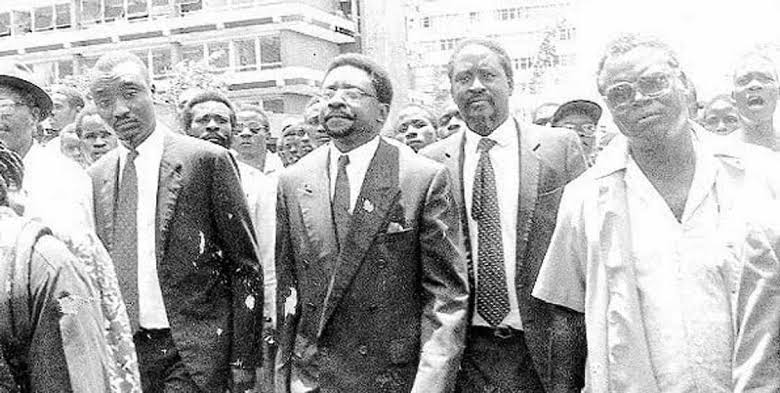
By the late 1980s, Kenya was under a one-party political system, with the Kenya African National Union (KANU) as the only legally recognized political party. Political dissent was tightly controlled, independent voices were frequently silenced, and many citizens felt excluded from decisions affecting the country’s future.
Economic challenges, rising unemployment, and growing concerns over corruption further fueled public frustration. Across Africa and the world, democratic reforms were gaining momentum, inspiring many Kenyans to push for greater political freedom and accountable governance.
It was against this backdrop that a coalition of opposition leaders, lawyers, civil society activists, and ordinary citizens began organizing for political change.
The Historic Saba Saba Demonstrations of July 7, 1990
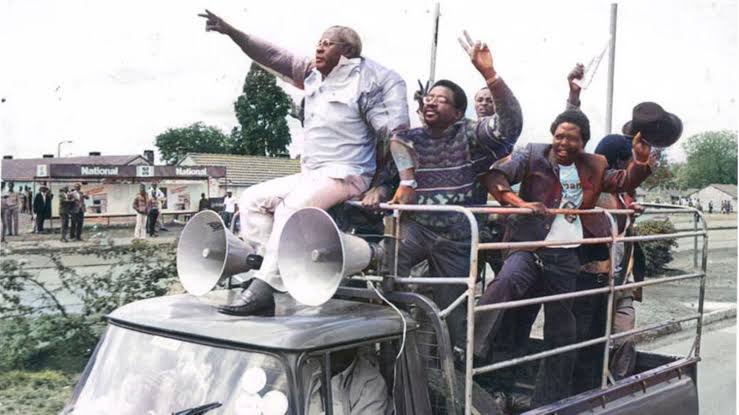
On July 7, 1990, opposition leaders called for a public rally at Nairobi’s Kamukunji Grounds to demand the restoration of multiparty democracy, free and fair elections, and greater respect for human rights.
Days before the rally, the government arrested prominent opposition leaders, including Kenneth Matiba and Charles Rubia, hoping to prevent the gathering from taking place. Instead of discouraging the movement, the arrests galvanized thousands of Kenyans, who took to the streets in Nairobi and other towns despite the ban.
Security forces responded with tear gas, live ammunition, and mass arrests as demonstrations spread across the country. Many people were injured, numerous protesters were detained, and several lost their lives. While the exact number of casualties remains disputed, the events of that day marked one of the most significant confrontations between citizens demanding democratic reforms and the state.
Although the demonstrations were forcefully suppressed, Saba Saba became the defining moment that transformed Kenya’s pro-democracy movement from isolated calls for reform into a nationwide demand for political change.
The Faces Behind the Movement
Saba Saba was driven by courageous individuals who risked their freedom to champion democracy. Among the most prominent were Kenneth Matiba, Charles Rubia, Jaramogi Oginga Odinga, Raila Odinga, Martin Shikuku, Gitobu Imanyara, John Khaminwa, George Anyona, and Njeru Gathangu.
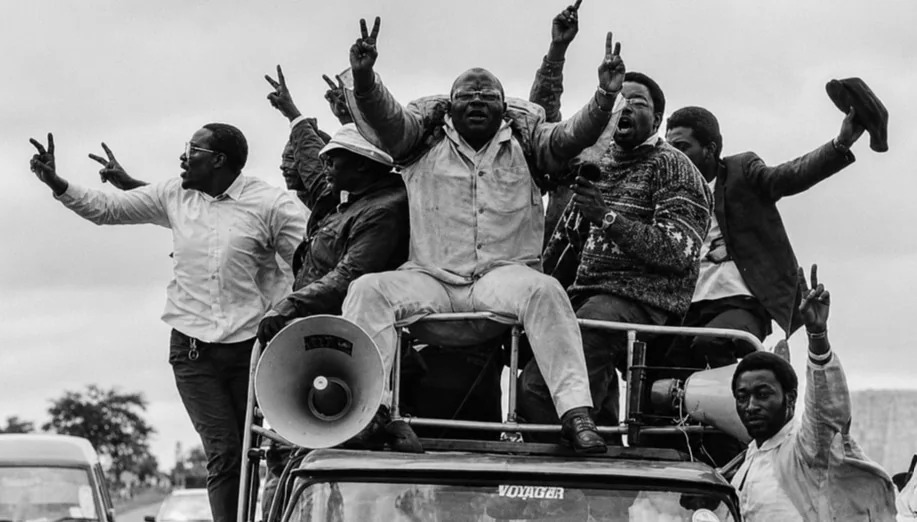
Many were arrested, detained without trial, or subjected to intimidation because they challenged the political status quo. Their resilience inspired thousands of ordinary Kenyans to believe that lasting democratic reforms were possible.
The Lasting Impact of Saba Saba
The demonstrations of July 7, 1990, did not immediately change the political system, but they fundamentally altered Kenya’s democratic trajectory. Sustained public pressure, combined with growing international calls for reform, eventually forced the government to repeal Section 2A of the Constitution in December 1991.
The repeal ended Kenya’s one-party state and restored multiparty politics, allowing opposition parties to operate legally for the first time in nearly a decade. It was one of the most significant constitutional milestones in the country’s history and laid the foundation for competitive elections and broader political participation.
The momentum created by Saba Saba also contributed to reforms that culminated in the adoption of the Constitution of Kenya, 2010, which introduced devolution, strengthened the Bill of Rights, enhanced judicial independence, and expanded public participation in governance.
Why Saba Saba Still Matters Today
More than three decades later, Saba Saba remains one of Kenya’s most powerful symbols of civic courage and democratic participation.
Each July 7, many Kenyans commemorate the sacrifices made by those who stood up for political freedom in 1990. The anniversary has also evolved into a platform where citizens, civil society organizations, and human rights groups continue to raise issues affecting the nation, including constitutionalism, accountability, youth unemployment, economic inequality, corruption, police accountability, and the protection of civil liberties.
While the concerns voiced during modern Saba Saba commemorations may differ from those of 1990, the underlying message remains unchanged: democracy requires active citizen participation, responsible leadership, and unwavering respect for the rule of law.
A Legacy That Belongs to Every Kenyan
Saba Saba is more than a historical event. It is a reminder that democratic progress is often achieved through the determination of ordinary citizens who refuse to remain silent in the face of injustice.
The courage displayed on July 7, 1990, helped open Kenya’s political space, paving the way for multiparty democracy, constitutional reforms, and greater protection of fundamental rights. Every anniversary invites Kenyans to reflect on how far the nation has come while recognizing that democracy is not a destination but a continuous journey that demands participation, accountability, and vigilance.
