

Across Africa, countless communities have looked at a lion, crocodile, eagle, elephant, python, or baobab tree and seen far more than wildlife. They saw family, identity, history, and a sacred connection stretching back through generations. These symbols, known as totems, carried stories that shaped entire societies long before written records became common.
For many African cultures, sacred symbols were not decorations. They were living reminders of ancestral wisdom, moral responsibility, and humanity’s relationship with nature.
What Is a Totem?
A totem is a natural object, animal, bird, plant, or even a geographical feature that represents a clan, family, or community. It serves as a symbol of shared ancestry and collective identity.
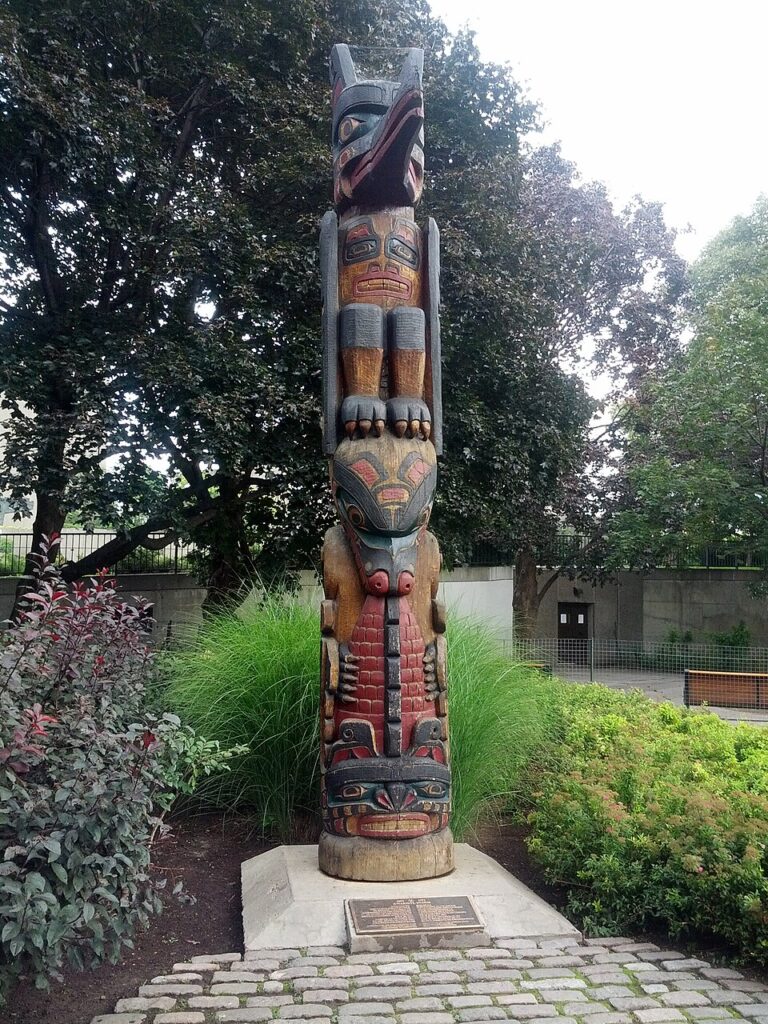
In many African societies, members of the same totem believed they descended from a common ancestor connected spiritually to that symbol. The totem united families across villages and even national borders.
Unlike national flags or modern logos, African totems carried spiritual meaning. They reminded people where they came from and how they were expected to behave.
Animals That Became Living Symbols
Different communities honored different creatures.
The lion represented courage, leadership, and protection in many parts of Eastern and Southern Africa.
The elephant symbolized wisdom, strength, patience, and responsible leadership because of its intelligence and powerful family bonds.
The crocodile often represented resilience and survival, admired for thriving in challenging environments.
The eagle and hawk stood for vision, freedom, and spiritual awareness because they could see great distances from the sky.
The python, respected rather than feared in several communities, symbolized fertility, transformation, and ancestral power.
These animals were not worshipped as gods. Instead, they reflected qualities people admired and hoped to preserve within their communities.
Totems Protected Nature
One remarkable role of African totems was environmental conservation.
If a clan’s totem was an elephant, members often refused to kill or eat elephants. A family connected to a crocodile would avoid harming crocodiles whenever possible. Communities associated with certain birds or trees protected them as part of their sacred duty.
This traditional practice unintentionally created early systems of wildlife conservation centuries before modern environmental laws emerged.
Respect for nature became part of everyday life because harming a sacred animal meant dishonoring one’s ancestors.
Sacred Symbols Beyond Animals
African symbolism extended well beyond wildlife.
The baobab tree became a symbol of wisdom, endurance, and community because it could survive for thousands of years while providing shelter, food, and water.
The calabash represented unity, hospitality, and abundance, appearing in ceremonies across many regions.
Cowrie shells symbolized wealth, fertility, and spiritual blessings. Before colonial currencies spread across Africa, cowries also served as money in many kingdoms.
The drum symbolized communication, celebration, and collective identity. It carried messages across villages and united communities during important ceremonies.
Each object reminded people that everyday life and spiritual life were deeply connected.
Adinkra Symbols: Ghana’s Visual Philosophy
Among the Akan people of Ghana, Adinkra symbols became one of Africa’s most sophisticated systems of visual communication.
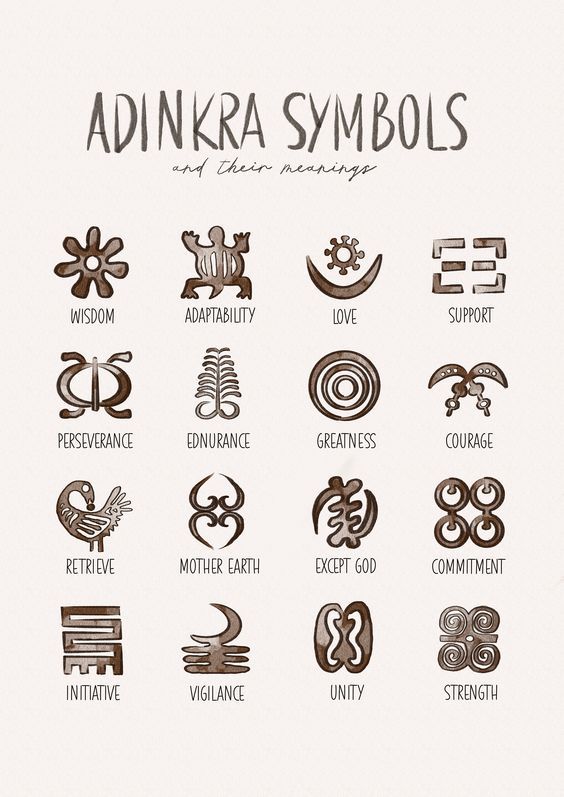
Each symbol expresses a life lesson.
The famous Sankofa bird teaches that people must return to the past to recover valuable knowledge before moving forward.
Gye Nyame, meaning “Except for God,” represents the supremacy and sovereignty of the Creator.
Duafe, the wooden comb, celebrates beauty, cleanliness, femininity, and care.
These symbols continue to appear on clothing, buildings, jewelry, artwork, and educational materials throughout Ghana and beyond.
Totems Helped Prevent Conflict
Totems also strengthened social harmony.
Many African societies prohibited marriage between people sharing the same clan totem because they were regarded as members of one extended family.
This tradition reduced inbreeding while encouraging relationships between different communities, strengthening alliances and peaceful coexistence.
Totems therefore became both cultural identities and practical social institutions.
Colonial Misunderstandings
When European missionaries and colonial administrators encountered African sacred symbols, many dismissed them as superstition or idol worship.
This misunderstanding ignored the deeper purpose of these traditions.
Most African communities viewed their symbols as reminders of moral values, ancestry, and social responsibility rather than objects demanding worship.
As colonial education expanded, many young Africans abandoned traditional knowledge, believing it had no place in the modern world.
Today, historians, anthropologists, and cultural leaders are helping recover these rich traditions as essential parts of Africa’s intellectual and cultural heritage.
Why These Symbols Still Matter
Sacred symbols continue to inspire artists, fashion designers, architects, educators, and cultural organizations across Africa.
Modern clothing brands incorporate traditional patterns. Universities study indigenous philosophies. Museums preserve ancient artifacts, while young Africans increasingly explore the meanings behind their ancestral symbols.
These traditions remind people that identity is not built only through borders or languages but also through shared values, history, and respect for both ancestors and nature.
