

Another African nation is walking away from the International Criminal Court.
Niger has officially submitted its withdrawal request from the ICC, pushing ahead with a controversial move announced alongside military-led allies Mali and Burkina Faso.
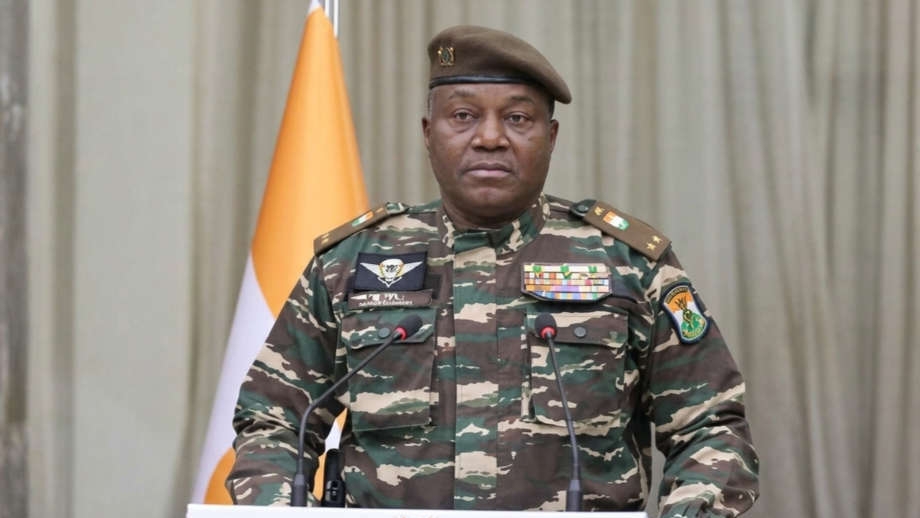
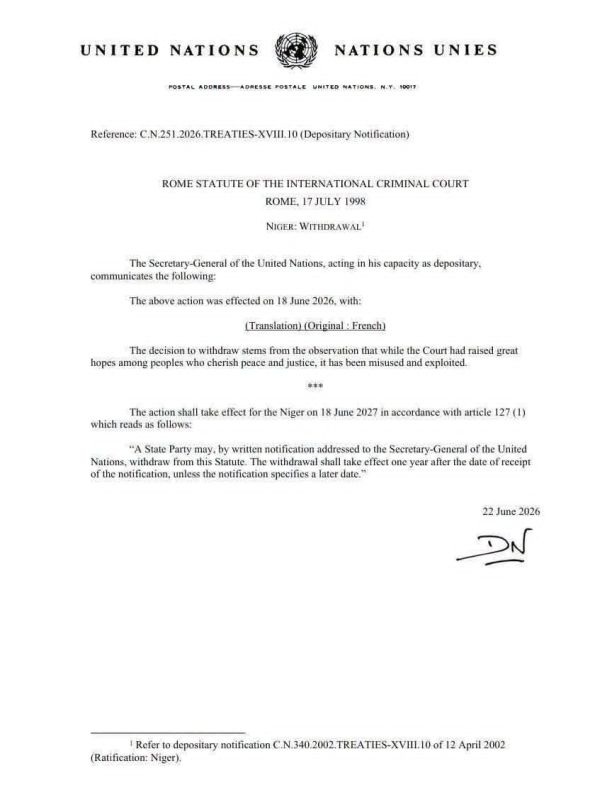
The Hague-based court confirmed it received Niger’s formal withdrawal notice on June 18 from the government of General Abdourahamane Tiani.
The exit will not happen immediately.
Under ICC rules, Niger’s withdrawal will only take effect on June 18, 2027, meaning the country remains bound by its obligations to the court for another year.
The development marks a major escalation in growing tensions between several African military governments and international institutions.
Niger, Mali, and Burkina Faso first revealed plans to quit the ICC in September 2025, accusing the court of being an instrument of “neo-colonial repression” serving foreign interests.
All three countries are currently governed by military leaders who seized power through coups between 2020 and 2023.
The ICC responded by expressing regret over Niger’s decision, insisting that the fight against impunity for war crimes, crimes against humanity, and other serious offences requires global cooperation.
The court’s statement did not address the withdrawal plans announced by Mali and Burkina Faso.
The move comes as the three Sahel nations continue battling deadly insurgencies linked to Al-Qaeda and Islamic State affiliates, while their own security forces have also faced allegations of abuses against civilians.
Founded in 2002, the International Criminal Court was created to prosecute individuals accused of the world’s gravest crimes when national courts are unable or unwilling to act.
The ICC currently has 125 member states, although major powers including the United States, Russia, China, and Israel are not members.
Niger’s decision is likely to reignite debate across Africa over sovereignty, international justice, and the future role of the ICC on the continent.
