

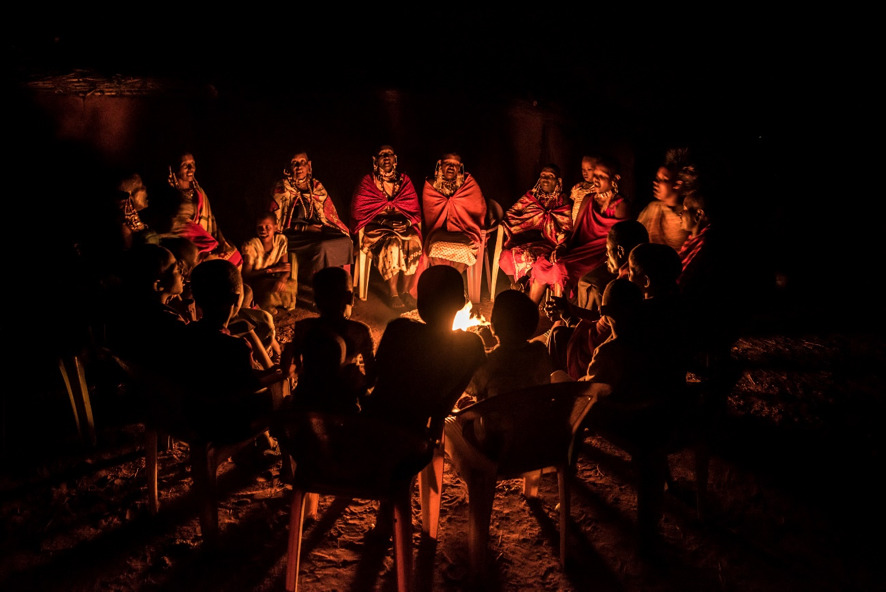
What if an entire kingdom’s history lived inside one person’s memory?
For centuries, across West Africa, griots have preserved history without books, computers or formal archives.
Known in Mandé societies as jeli or djeli, griots served as storytellers, historians, genealogists, musicians, advisers and custodians of cultural memory.
They memorized family lineages, royal histories, battles, migrations, traditions and important agreements, passing this knowledge from one generation to the next through oral tradition.
History That Could Sing
A griot did not simply tell stories. They could turn history into poetry and music.
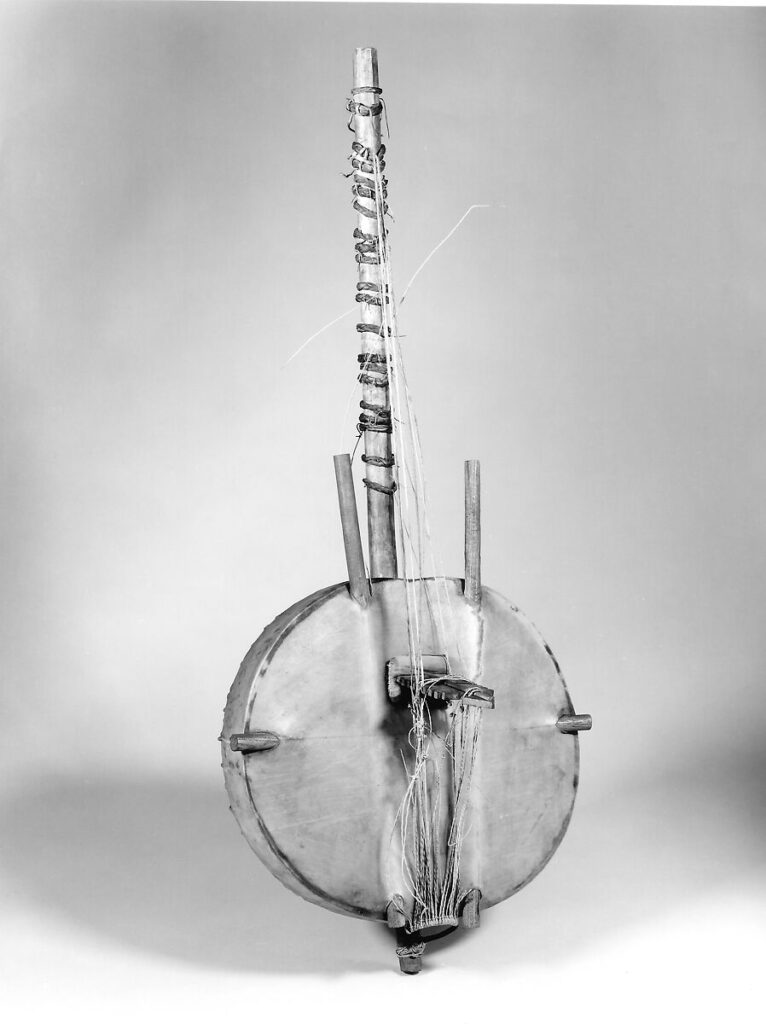
In Mandé culture, the kora, a traditional West African string instrument, became closely associated with griot traditions. Music helped make long narratives memorable while giving stories emotional power.
One of the best-known examples is the Epic of Sundiata, the story of Sundiata Keita, founder of the Mali Empire.
For generations, griots helped preserve this history through performance before it was extensively recorded in written form.
More Than Storytellers
Griots could play several roles within their communities.
They preserved genealogies, helped explain relationships between families, advised leaders and acted as intermediaries during important negotiations.
Their knowledge could give them considerable influence because they understood not only what had happened, but who was connected to whom and why those relationships mattered.
This made the griot an important keeper of social memory.
Africa’s Living Archives
Oral history is sometimes unfairly dismissed as unreliable because it is transmitted by word of mouth.
But oral traditions have their own systems of preservation. Names, verses, songs, genealogies and repeated narratives can help maintain information across generations.
That does not mean every oral account is automatically accurate. Like written records, oral histories can contain interpretation, exaggeration and competing versions of events.
Historians therefore compare oral traditions with archaeology, manuscripts and other evidence.
The important point is simple: Africa’s history was not preserved only on paper.
It was also preserved in people.
Why Griots Still Matter
Modern technology has changed how stories are recorded, but the need to preserve cultural memory remains.
Today, an elder’s story can be recorded on a phone, preserved in a digital archive or transformed into a documentary.
But the principle remains the same.
Someone must remember.
Someone must listen.
Someone must pass the story forward.
The griot tradition reminds us that when an elder carrying generations of knowledge dies unheard, more than a person may be lost.
An archive can disappear with them.
Griots were Africa’s living libraries, and their legacy challenges us to listen more carefully to the voices that carried history long before it reached a textbook.
