

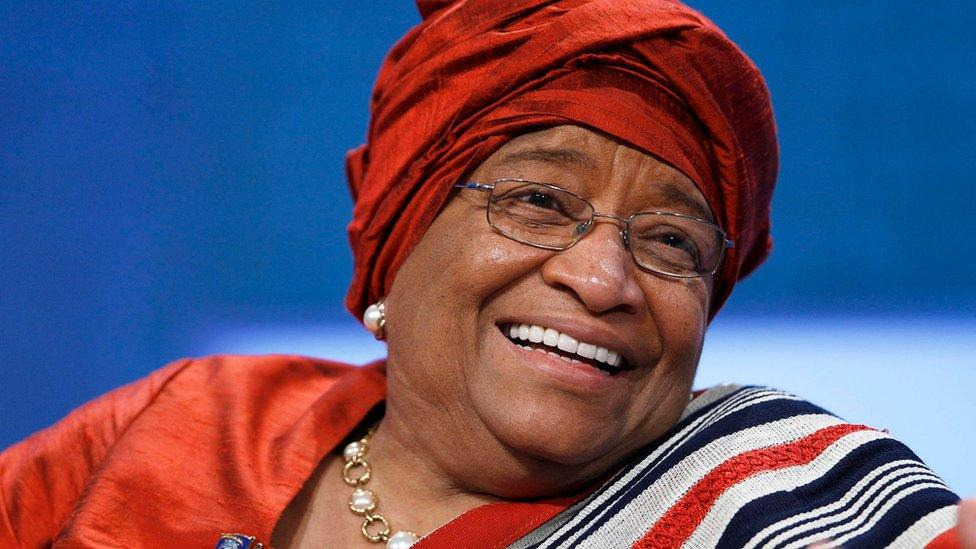
What happens when a nation shattered by war places its future in the hands of a woman who refuses to surrender?
For millions of Liberians, that question became reality in 2005 when Ellen Johnson Sirleaf was elected president. Six years later, the world would recognize her extraordinary journey with one of the highest honors on Earth: the Nobel Peace Prize.
Her story is not just about politics. It is a story of courage, survival, and the power of women to transform nations.
From Prison Cells to Presidential Office
Before becoming a global icon, Ellen Johnson Sirleaf faced challenges that would have broken many leaders.
Born in Liberia in 1938, she pursued higher education at a time when few African women had access to advanced studies. Her determination led her to the United States, where she studied economics and public administration.
When she returned home, Liberia was entering a turbulent period. Sirleaf openly criticized government corruption and abuse of power. Her bold stance came at a heavy cost. She faced imprisonment, political persecution, and periods of exile.
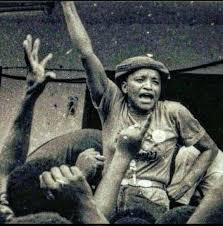
Yet each setback seemed to strengthen her resolve.
Instead of disappearing from public life, she continued advocating for democracy and accountability, earning respect both inside Liberia and across the international community.
Liberia’s Darkest Years
The Liberian civil wars left deep scars across the country.
Entire communities were destroyed. Thousands lost their lives. Families were displaced. Children grew up surrounded by violence and uncertainty.
As the conflict dragged on, many Liberians began searching for leaders who could rebuild trust and restore stability.
Sirleaf emerged as one of those voices.
She spoke openly about reconciliation, economic recovery, and the need to heal a deeply divided nation.
Her message resonated with citizens exhausted by years of conflict.
Making History as Africa’s First Elected Female President
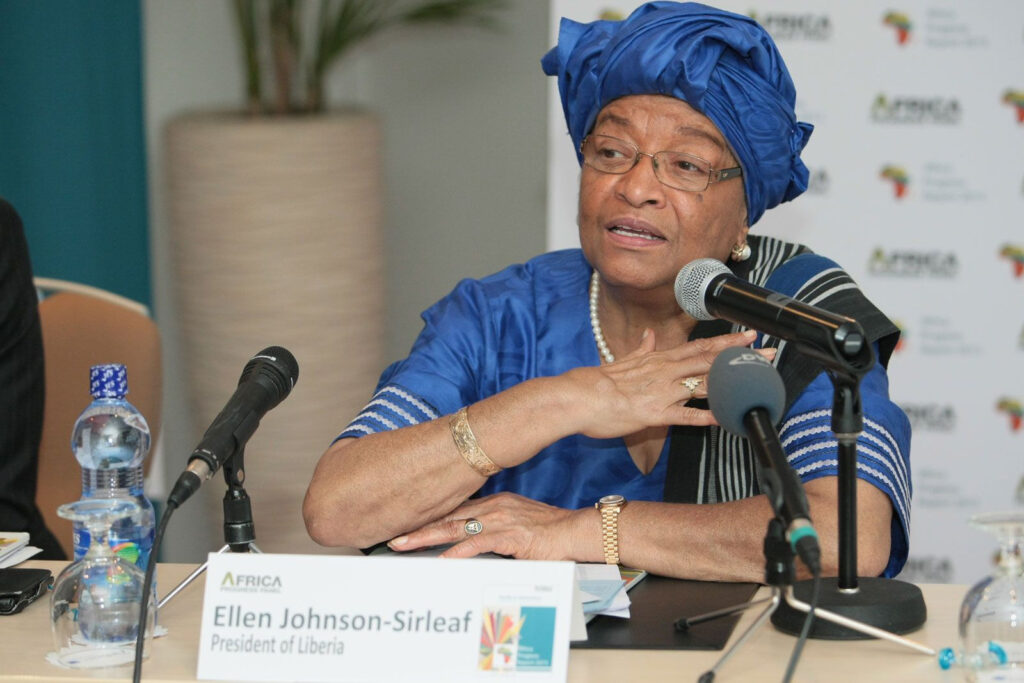
In 2005, Ellen Johnson Sirleaf achieved what many once considered impossible.
She became Africa’s first democratically elected female president.
The victory captured international attention.
Across Africa, young girls suddenly saw a new possibility. Leadership at the highest level was no longer reserved for men.
Her presidency focused on rebuilding Liberia’s institutions, attracting international investment, reducing debt, and restoring confidence in a country that had suffered immense devastation.
The road was far from smooth, but her election marked a turning point not only for Liberia but also for women across the continent.
The Nobel Peace Prize Moment
On October 7, 2011, the world received historic news.
Ellen Johnson Sirleaf was awarded the Nobel Peace Prize alongside Liberian peace activist Leymah Gbowee and Yemeni journalist Tawakkol Karman.
The Nobel Committee honored them for their non-violent struggle for women’s safety and for women’s full participation in peace-building efforts.
The award highlighted a truth often overlooked in discussions about conflict and recovery.
Women are not merely victims of war. They are often among the most powerful architects of peace.
For Liberia, the prize represented international recognition of the country’s progress after years of suffering.
For Africa, it demonstrated that female leadership could shape the future of nations.
Why Her Nobel Prize Still Matters
More than a decade later, Ellen Johnson Sirleaf’s Nobel Peace Prize remains significant.
Her achievement challenged stereotypes about leadership.
It encouraged more women to pursue political office.
It reminded governments that lasting peace requires inclusion, accountability, and equal opportunities.
Today, her legacy continues through leadership initiatives, mentorship programs, and efforts to support young African women entering public service.
Her story proves that change rarely begins with power.
It begins with persistence.
A Legacy Bigger Than One Award
The Nobel Peace Prize was not the beginning of Ellen Johnson Sirleaf’s impact, nor was it the end.
The award became a symbol of a lifetime spent fighting for democracy, justice, and opportunity.
From prison cells to the presidency, from exile to international recognition, her journey reflects the resilience of a leader who refused to be silenced.
Long after the applause faded, her message remained clear:
Nations become stronger when women have a seat at the table, a voice in decision-making, and the freedom to lead.
