

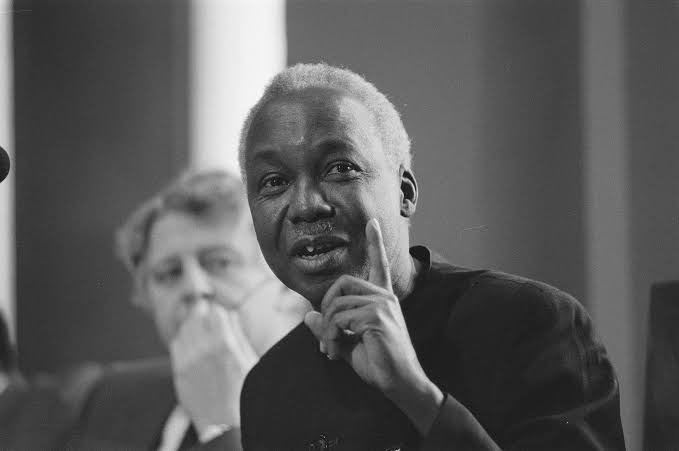
Imagine inheriting a nation with more than 120 ethnic groups, widespread poverty, and the lingering shadows of colonial rule. How do you forge unity where division could easily thrive?
That was the challenge facing Julius Nyerere when Tanzania gained independence in the early 1960s. Rather than pursuing wealth for a small elite, Nyerere envisioned a society built on cooperation, equality, and collective responsibility. His answer was a philosophy known as Ujamaa, a Swahili word meaning “familyhood.”

More than a political program, Ujamaa was an attempt to redefine development through African values rather than imported economic models. Nyerere believed that traditional African communities already possessed important lessons about sharing resources, supporting one another, and placing community welfare above individual greed.
Born in 1922 in Butiama, Nyerere was a teacher before entering politics. His calm demeanor earned him the nickname “Mwalimu,” meaning “teacher” in Swahili. The title reflected not only his profession but also his leadership style. He preferred persuasion over force and education over intimidation.
After leading Tanganyika to independence in 1961, Nyerere worked to unite the country and later oversaw its union with Zanzibar in 1964, creating modern-day Tanzania. While many newly independent African states struggled with ethnic conflict, Tanzania remained remarkably stable.
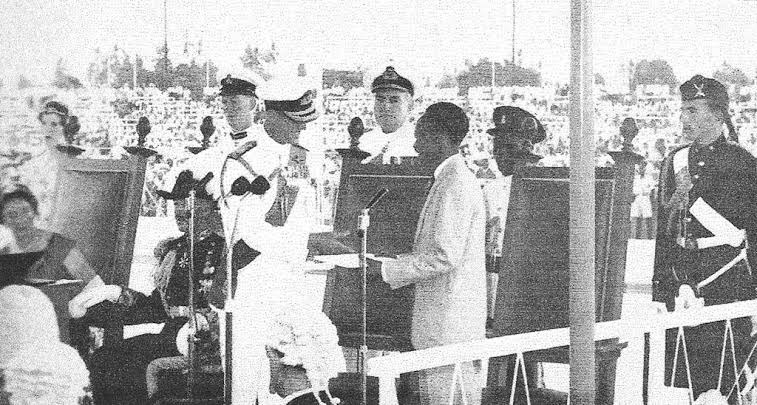
The foundation of Nyerere’s vision was laid out in the 1967 Arusha Declaration. The document emphasized self-reliance, national unity, and social equality. It rejected the idea that development could be achieved simply by depending on foreign aid or foreign-controlled industries.
Under Ujamaa, the government invested heavily in education and healthcare. Schools expanded into rural areas, literacy rates improved significantly, and access to basic services increased for many Tanzanians who had previously been excluded.
Nyerere viewed education as a tool of liberation. He argued that a nation could not be truly independent if its people lacked the knowledge needed to shape their own future. His policies helped create one of Africa’s most literate populations.
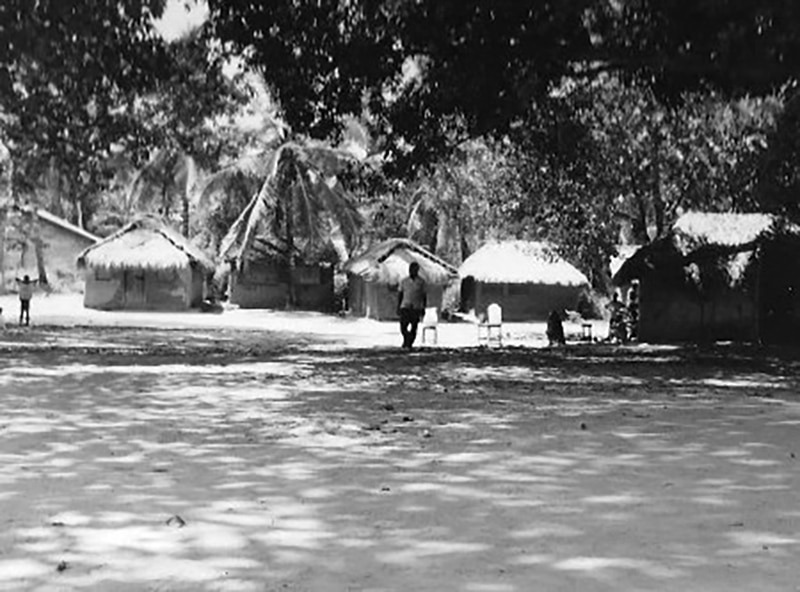
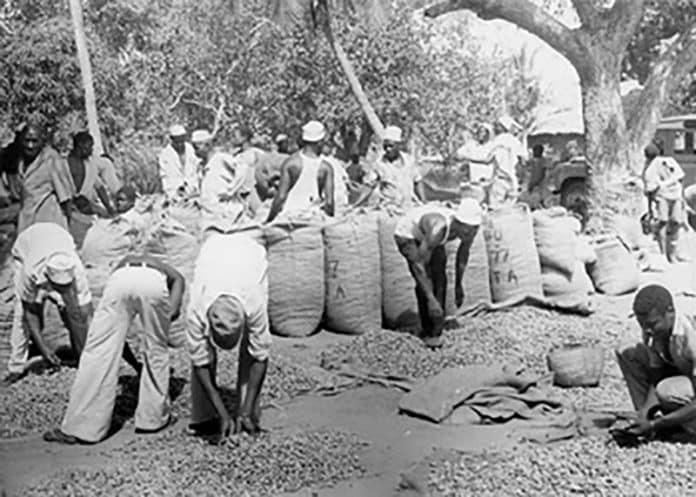
Yet Ujamaa was not without challenges. The policy of villagization, which encouraged people to live in organized communal settlements, often faced resistance. Agricultural production struggled in some areas, and economic growth fell short of expectations. Critics argued that the state played too large a role in managing the economy.
Despite these shortcomings, Nyerere’s reputation remains unique among African leaders. He voluntarily stepped down from power in 1985, a rare decision on a continent where many leaders clung to office for decades. His willingness to leave power strengthened Tanzania’s democratic traditions.
Nyerere also became a respected voice for African unity. He strongly supported liberation movements fighting colonialism and apartheid across southern Africa. Leaders from Mozambique, Zimbabwe, South Africa, and Namibia found encouragement and support from Tanzania during their struggles.
Today, debates about Ujamaa continue. Some view it as an economic experiment that failed to achieve its full goals. Others see it as a bold attempt to build a fairer society rooted in African values rather than foreign ideologies.
What remains undeniable is Nyerere’s influence on Tanzania’s identity. His emphasis on national unity helped prevent the ethnic divisions that have troubled many nations. His commitment to education transformed opportunities for millions. His belief in dignity, self-reliance, and collective responsibility continues to shape conversations about Africa’s future.
Few leaders have left a legacy so closely tied to the moral vision of their nation. For many Tanzanians, Julius Nyerere was not merely a president. He was the architect of an idea: that a country could pursue development while holding firmly to the principles of community, equality, and shared humanity.
