

How can one African identity contain so many languages, clans, kingdoms and histories?
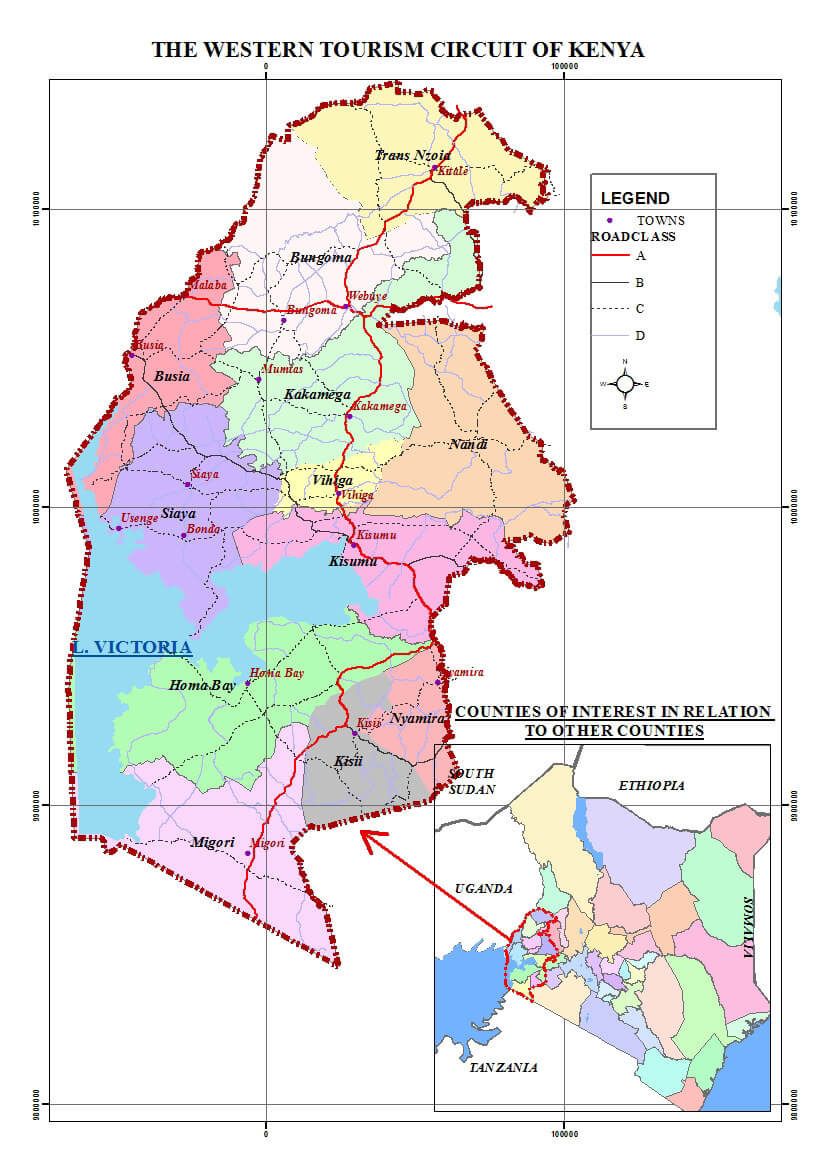
Travel through western Kenya and the answer begins to reveal itself. In one place you may meet a Bukusu, elsewhere a Maragoli, Wanga, Isukha, Idakho, Tachoni, Tiriki or Samia. Their customs and dialects may differ, yet they can all belong to the wider cultural identity known as the Luyha or Luhya.
This is what makes Luyha history fascinating. It is not simply the history of one tribe, but of numerous related communities whose identities developed through migration, settlement, marriage, trade, conflict and cultural exchange.
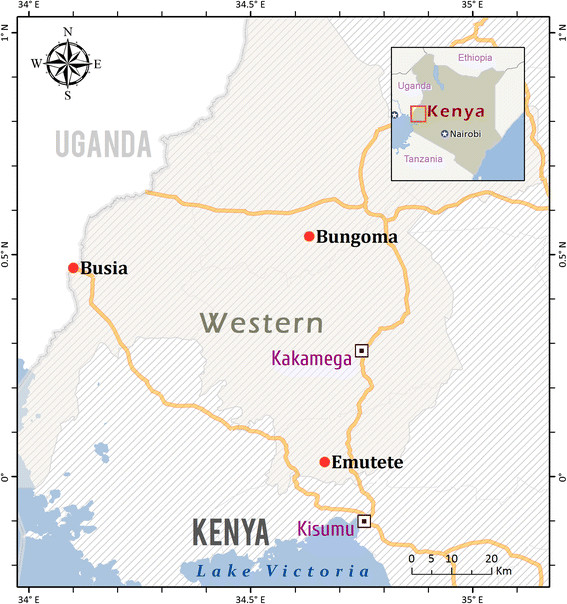
The Luyha are mainly found across Bungoma, Kakamega, Vihiga and Busia, with some communities extending into Uganda. Their shared Bantu heritage connects them, but centuries of movement and interaction produced distinct languages, clans, customs and historical memories.
Before There Was One Luyha Identity
The idea of one unified Luhya identity should not be projected too far into the past. The communities now grouped under that name had their own territories, leaders, clans and histories. Their broader identity developed gradually as these communities interacted and found common ground.
Language provides one of the clearest clues. The Luhya linguistic family contains numerous related varieties, including Bukusu, Maragoli, Wanga and Samia. Their similarities reveal connections, while their differences preserve evidence of the separate histories of the communities that speak them.
Migration played an important role in this process. Communities moved, settled in new territories, interacted with neighbours and adapted their languages and customs. Over generations, these movements created a cultural landscape that was connected without being completely uniform.
The Names Behind the Luhya Identity
The wider Luyha identity includes communities such as Bukusu, Maragoli, Wanga, Isukha, Idakho, Tachoni, Tiriki, Kabras, Banyore, Kisa, Tsotso, Marama, Samia, Marachi and Khayo.
Each name carries a different history. The Bukusu are strongly associated with Bungoma and distinctive initiation traditions, while the Maragoli are mainly associated with Vihiga. The Isukha and Idakho have deep historical connections with the Kakamega region.
Further west, the Samia, Marachi and Khayo connect the Luyha story to Busia and the Kenya-Uganda borderlands. These communities demonstrate how language, migration and cultural interaction could create identities that crossed geographical boundaries.
The important point is that these names were not simply labels created on a map. They represented communities with their own clans, traditions, memories and systems of social organisation.
The Luyha Community That Had a Kingdom
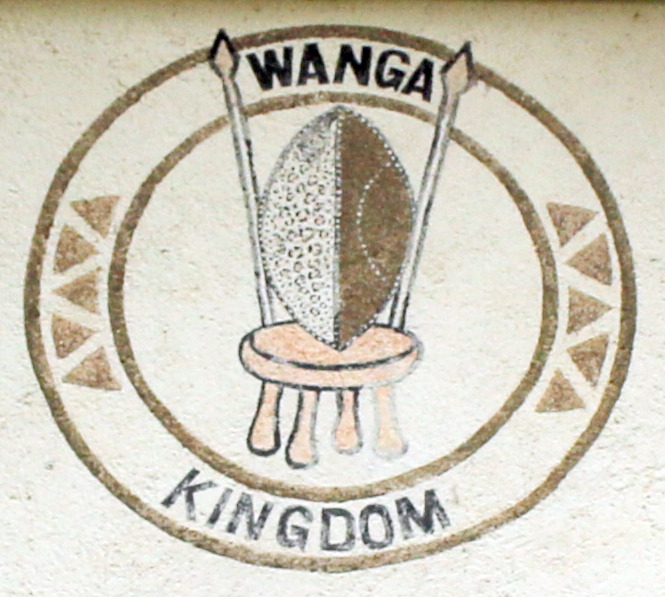
Perhaps the most striking political story comes from the Wanga. Unlike many communities whose traditional political organisation centred heavily on clans and local elders, the Wanga developed a centralised kingdom ruled by the Nabongo.
The Wanga Kingdom became an important political power in western Kenya, particularly during the era of Nabongo Mumia. Its history included diplomacy, political authority, military organisation and interaction with the expanding British colonial system.
The Wanga story challenges the outdated idea that precolonial African societies lacked complex political institutions. Across Africa, communities developed different systems of governance, from kingdoms and empires to decentralised societies governed through clans and councils.
The Luyha experience reflects that wider African diversity.
Clans Were the Keepers of Memory
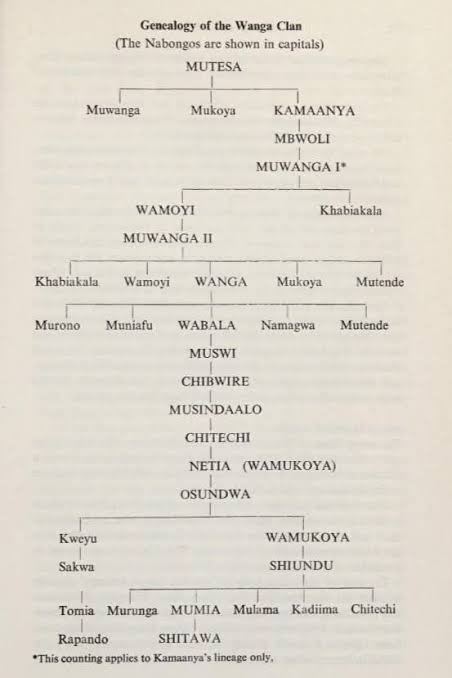
Below the level of the sub-community was another powerful source of identity: the clan. Clans helped organise relationships involving marriage, inheritance, land, family responsibilities and social obligations.
They also preserved ancestry. Stories about ancestors and migration were passed from one generation to another through oral traditions, songs, ceremonies and genealogies.
For societies where written records were limited, memory itself became an archive. A story told by an elder could carry information about people, places, relationships and events long after the original generation had disappeared.
This makes Luyha oral traditions valuable to researchers studying African history, particularly when they are compared with linguistic, archaeological, genealogical and archival evidence.
The Border Did Not Separate Everyone
Look toward Busia and another layer of the story appears. The Samia have communities on both sides of the Kenya-Uganda border, while other Luyha groups have long interacted with neighbouring populations in the region.
The modern border is younger than many of the communities it divides. People moved, traded and married long before Kenya and Uganda existed as modern nation-states.
This is an important lesson when studying African cultures. Modern political maps can make ancient cultural relationships appear more divided than they actually were.
The Luyha borderlands remind us that cultural territories do not always follow national boundaries.
Language Reveals the Connections
There is no single Luyha language spoken identically by everyone. Instead, the community contains a collection of related varieties such as Lulogooli, Lubukusu, Oluwanga, Lwisukha, Lwidakho, Lusamia and others.
These languages preserve clues about relationships between communities. Shared words and grammatical features reveal connections, while differences point to generations of separation and local development.
Language also became important in the creation of a wider Luyha identity during the twentieth century. Efforts to develop written forms and promote wider communication among related communities showed that language could become both a cultural inheritance and a political instrument.
One Name, Many Histories
There is a temptation to search for one single origin story that explains every Luyha community. History is rarely that simple.
Different communities preserve different traditions about migration, ancestry and settlement. Some stories overlap, while others contradict each other. Rather than dismissing those differences, researchers can examine them as evidence of how communities remembered and understood their own past.
The Luyha story therefore becomes more interesting when its contradictions are acknowledged. They reveal movement, interaction and changing identities rather than a perfectly fixed past.
Why the Luhya Story Matters
The Luhya provide a powerful example of how African identity can be layered rather than singular. A person can belong to a clan, a specific community and the wider Luhya identity at the same time.
That identity does not require every community to speak the same language or practise exactly the same traditions. Their differences remain part of the larger story.
The Luyha are therefore not simply one people with many names. They are many communities whose histories, languages and traditions became connected through generations of interaction.
One name. Many communities. Many memories. One wider identity.
And perhaps that is the deeper lesson hidden in Luyha history. African identities were never as simple as the word “tribe” suggests. They were constantly shaped by movement, memory, language, family, politics and contact with other peoples.
To understand the Luhya is therefore to understand something much bigger about Africa itself: how different communities can preserve their uniqueness while becoming part of a shared cultural story.
