

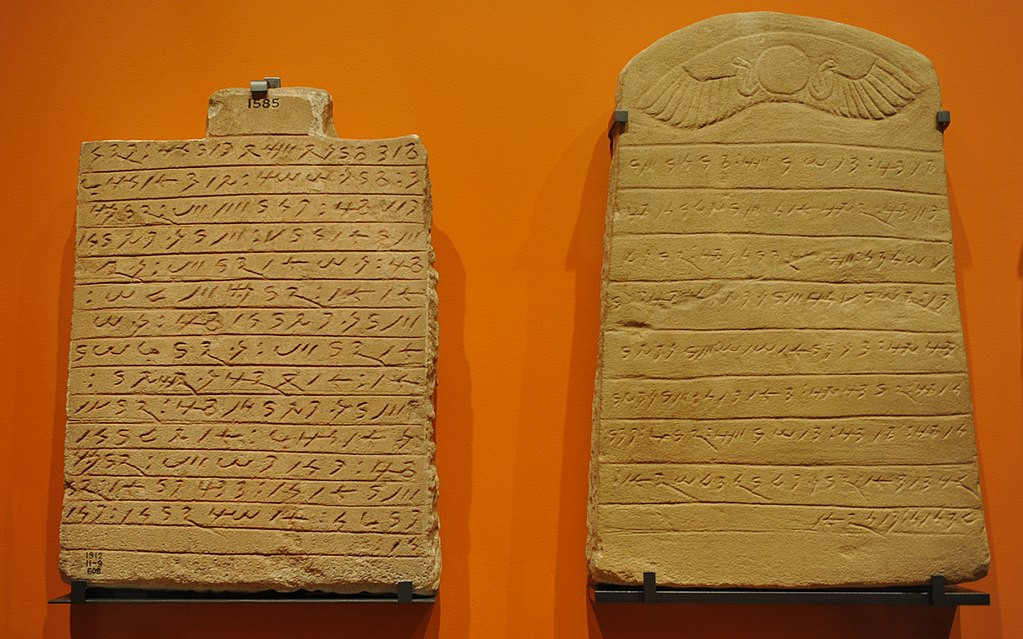
What If One of History’s Biggest Myths Is That Africa Had No Writing?
For centuries, colonial narratives portrayed Africa as a continent without written traditions before European contact. Historical evidence tells a different story. Across Africa, societies developed their own writing systems to record history, religion, trade, governance, and cultural knowledge long before colonization.
Ge’ez: Africa’s Oldest Living Script
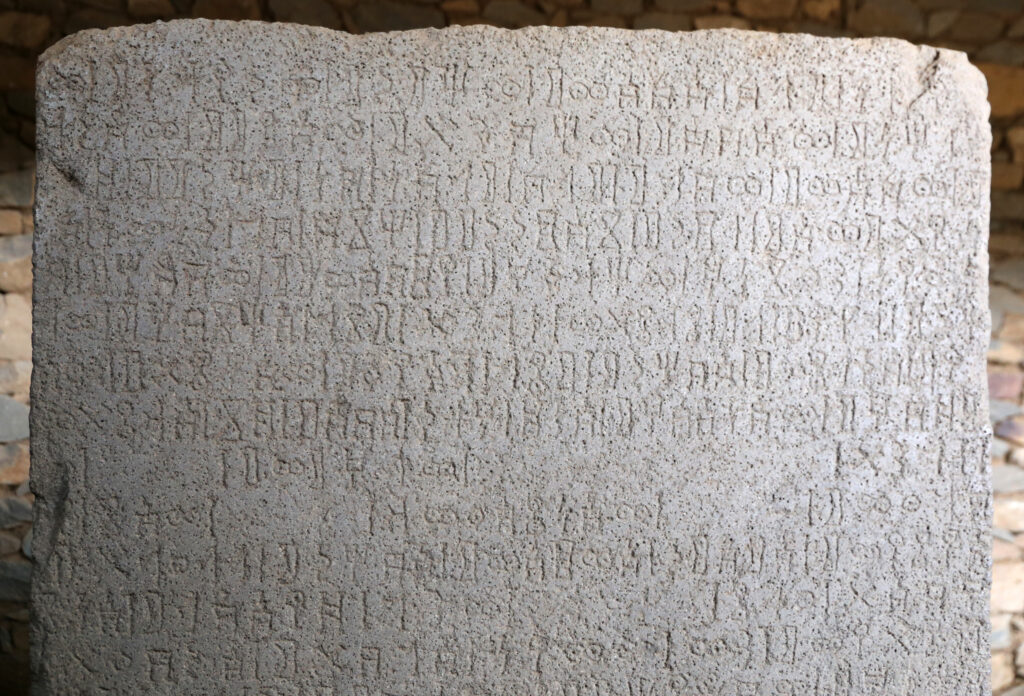
Developed in the ancient Kingdom of Aksum, Ge’ez became the language of administration, religion, and scholarship in present-day Ethiopia and Eritrea. Thousands of manuscripts written in Ge’ez preserve important information on theology, medicine, astronomy, and history. It remains one of the world’s oldest continuously used writing systems.
Nsibidi: West Africa’s Symbolic Language
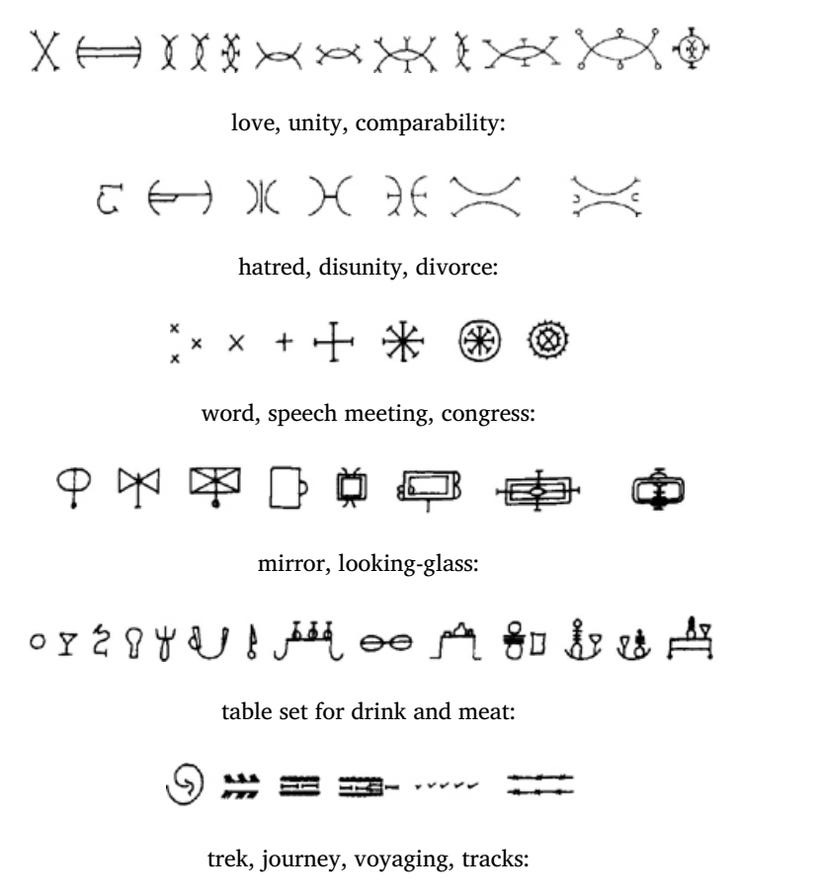
Originating among communities in present-day southeastern Nigeria and western Cameroon, Nsibidi is a system of symbols used to communicate ideas, emotions, legal agreements, and social relationships. The script appeared on pottery, textiles, buildings, and ceremonial objects, demonstrating a sophisticated form of written communication before colonial rule.
Tifinagh: The Script of the Amazigh People
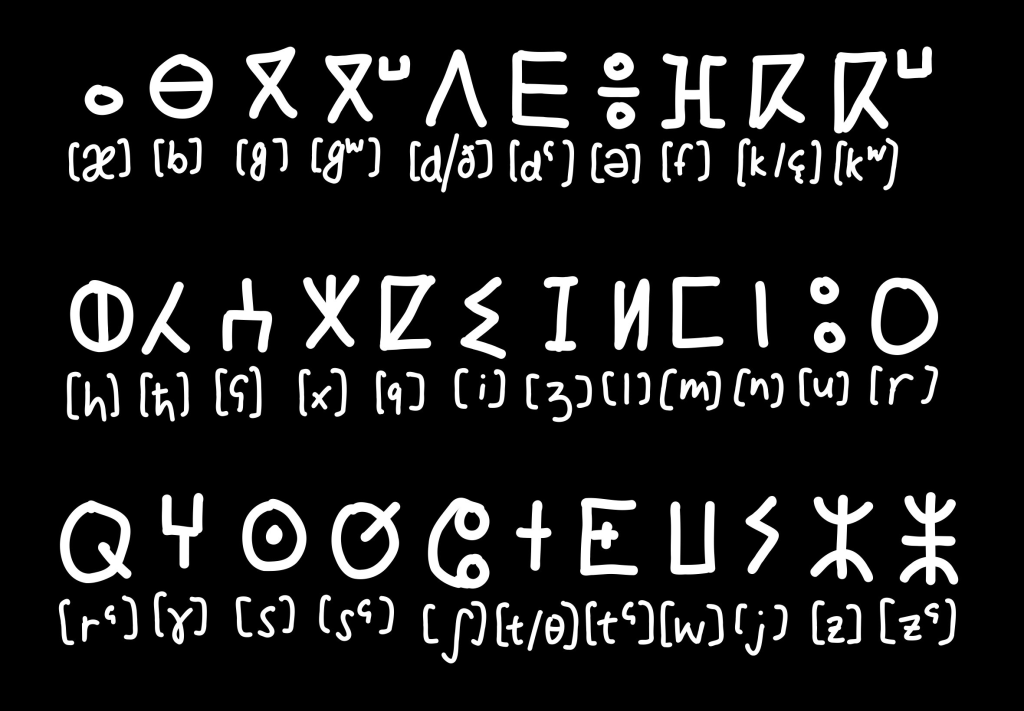
The Amazigh (Berber) peoples of North Africa developed the Tifinagh script, which was used across the Sahara for centuries. Inscriptions found in Morocco, Algeria, Libya, Mali, and Niger reveal a long tradition of written communication. Modern versions of Tifinagh are still used today.
Adinkra Symbols: Writing Through Meaning
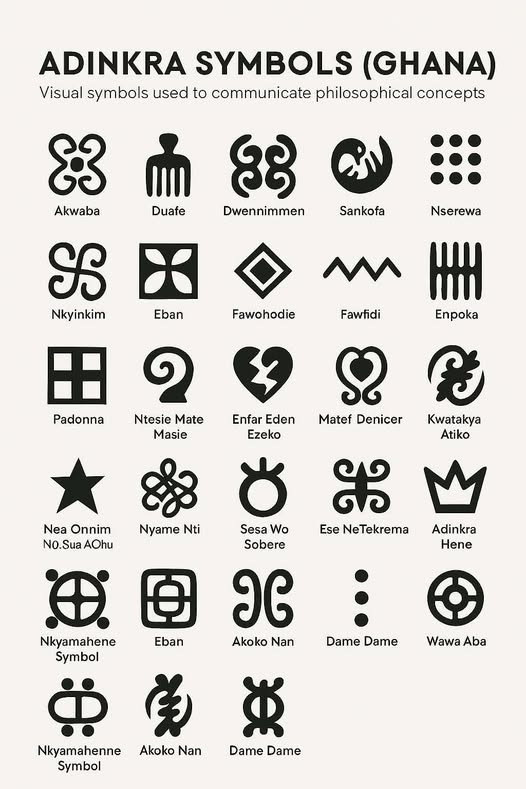
Among the Akan peoples of present-day Ghana and Côte d’Ivoire, Adinkra symbols conveyed philosophical ideas, moral teachings, leadership principles, and historical memory. Although not an alphabet, Adinkra served as a powerful system for preserving and communicating knowledge.
Timbuktu’s Manuscript Legacy
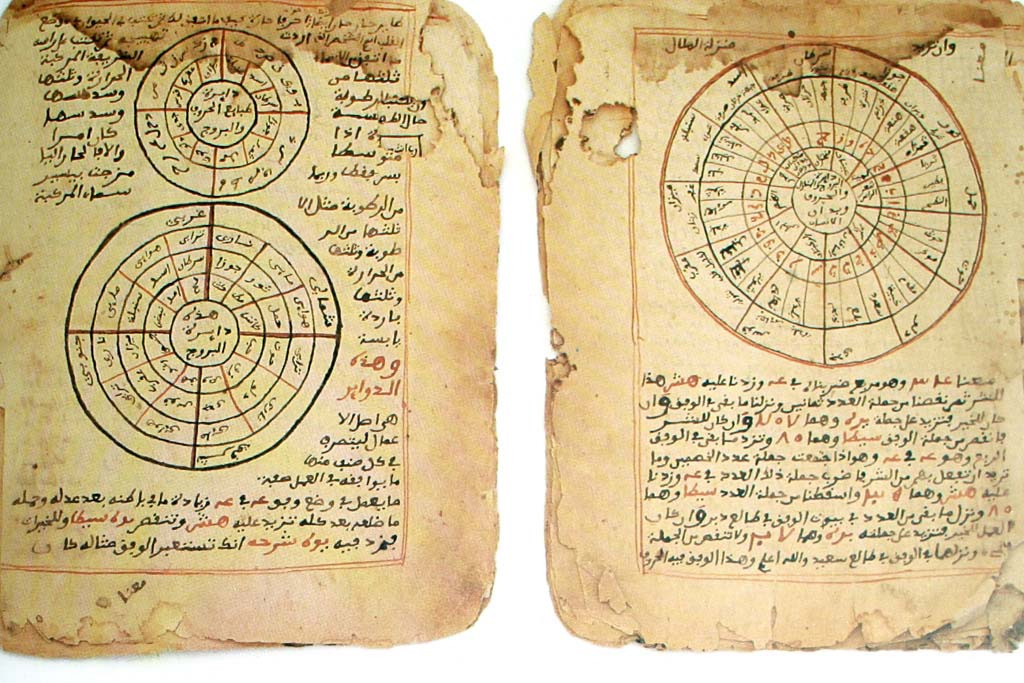
The ancient city of Timbuktu became one of Africa’s greatest centers of learning. Scholars produced thousands of manuscripts covering mathematics, law, astronomy, medicine, geography, and theology. These documents provide strong evidence of Africa’s rich intellectual and literary traditions before European colonization.
Why These Writing Systems Matter
African writing systems challenge the misconception that literacy was introduced to the continent by Europeans. They demonstrate that African societies developed diverse methods of recording knowledge, preserving culture, and transmitting information across generations.
