

Was slavery introduced to Africa by Europeans, or was the story far more complicated?
Imagine an African kingdom centuries before Portuguese ships appeared on the Atlantic coast. A war has just ended. Prisoners have been captured. Some may be executed. Others are taken into households, farms or armies and forced to work.
This was one of the realities of slavery in precolonial Africa.
But there is another important truth: slavery existed in Africa before European involvement, yet African slavery was not one single system, and it did not resemble the later Atlantic slave trade in scale or structure.
Slavery existed in Africa before Europeans arrived
Historical evidence shows that various forms of enslavement existed in parts of Africa long before the arrival of European traders. Captives from wars and raids could become enslaved, while people could also enter forms of dependency because of debt, punishment or political circumstances.
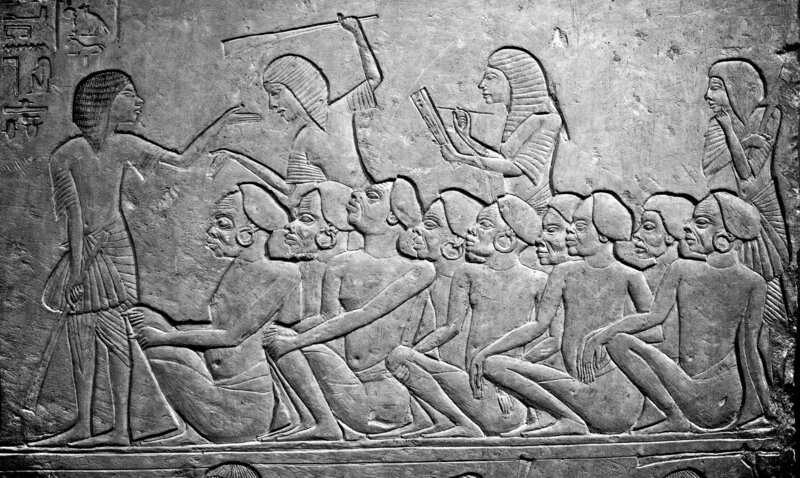
In some societies, enslaved people worked as farmers, domestic workers, artisans or soldiers. Some could marry, accumulate property or eventually gain freedom. In other societies, conditions were considerably harsher.
That difference matters.
Calling all African slavery one identical institution hides how diverse African societies actually were.
Africans were not simply victims or villains
One of the biggest myths is that Africans either had no role in slavery before Europeans or that Africans alone were responsible for the Atlantic catastrophe.
Neither explanation tells the full story.
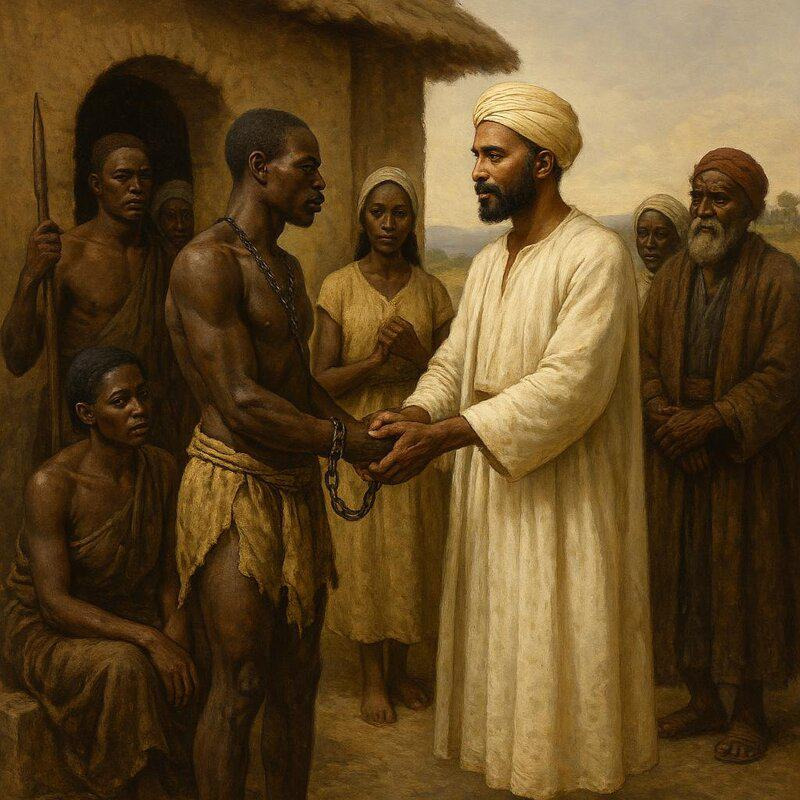
African rulers, merchants and military leaders participated in different slave-trading networks. At the same time, many African communities were victims of raids, warfare and capture.
The arrival of European demand dramatically changed the incentives.
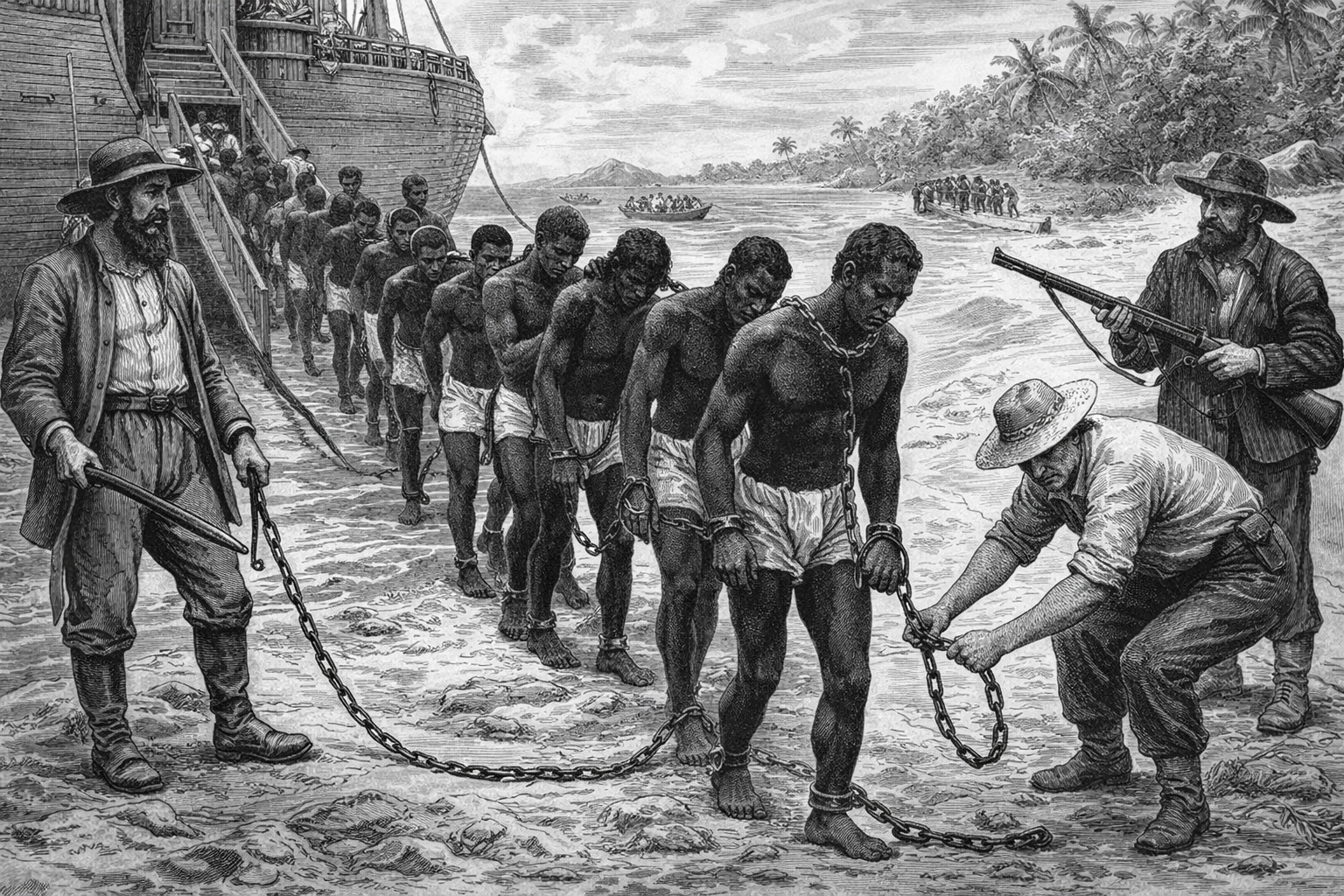
The transatlantic slave trade created an enormous overseas market for enslaved Africans. European merchants supplied weapons, manufactured goods and other commodities in exchange for captives, while African political powers and traders participated at different points in the supply chain.
The result was not simply an existing African practice continuing unchanged.
It was an expanding international system.
The Atlantic trade changed everything
Before the Atlantic system became dominant, Africa was already connected to major commercial networks stretching across the Sahara, the Red Sea and the Indian Ocean. Gold, salt, ivory and enslaved people moved through these networks.
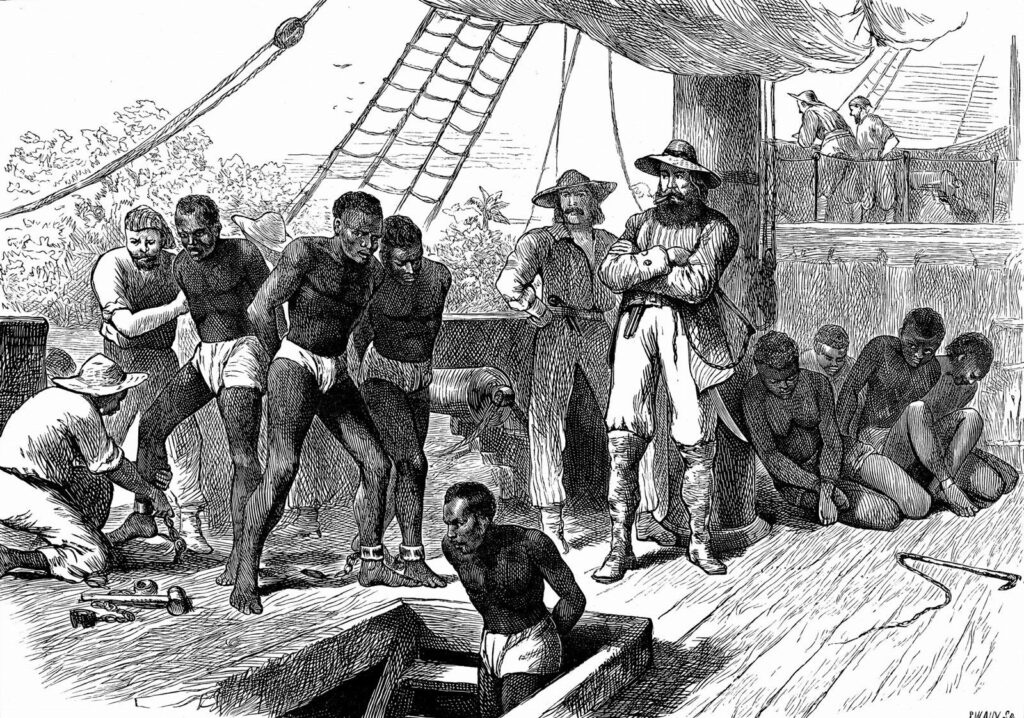
But the Atlantic slave trade brought a new level of scale and intensity.
More than 11 million Africans were transported to the Americas, with the trade concentrated particularly heavily between the 17th and 19th centuries.
Entire communities were disrupted.
Wars could be encouraged by the demand for captives. Political powers could become dependent on slave trading. People living in vulnerable areas faced the terrifying possibility that a raid could turn neighbours into prisoners overnight.
Research also suggests that international slave trades contributed to the spread and intensification of slavery within parts of Africa itself.
So, who “started” African slavery?
There is no honest one-word answer.
Europeans did not invent slavery. Africans did not invent slavery.
Forms of human enslavement existed across many parts of the ancient and medieval world.
What European expansion did was help create an enormous Atlantic system that transformed existing practices, connected them to global markets and produced consequences on a scale that profoundly affected African societies.
That distinction is essential.
It allows us to acknowledge African participation without blaming an entire continent for a system shaped by powerful international economic forces.
It also allows us to discuss European responsibility without pretending slavery suddenly appeared in Africa when the first European ships arrived.
The legacy is still visible
The history of African slavery before Europeans, the Atlantic slave trade, the trans-Saharan slave trade and the Indian Ocean slave trade are connected stories, but they are not the same story.
Together, they help explain population movements, political changes, economic disruption and the African diaspora.
UNESCO notes that the legacy of slavery continues to influence modern societies, including racism and inequalities connected to historical systems of enslavement.
The most important lesson is therefore not that Africa had slavery or that Europeans brought slavery.
It is that African history was complex long before colonialism, and slavery evolved dramatically when local systems became connected to powerful international markets.
Understanding that complexity gives us a more accurate African history.
